HIMSS TV is your Insider’s Guide to everything HIMSS. We are the world’s first online broadcasting network, focused on global innovation and how information and technology are driving change in healthcare.
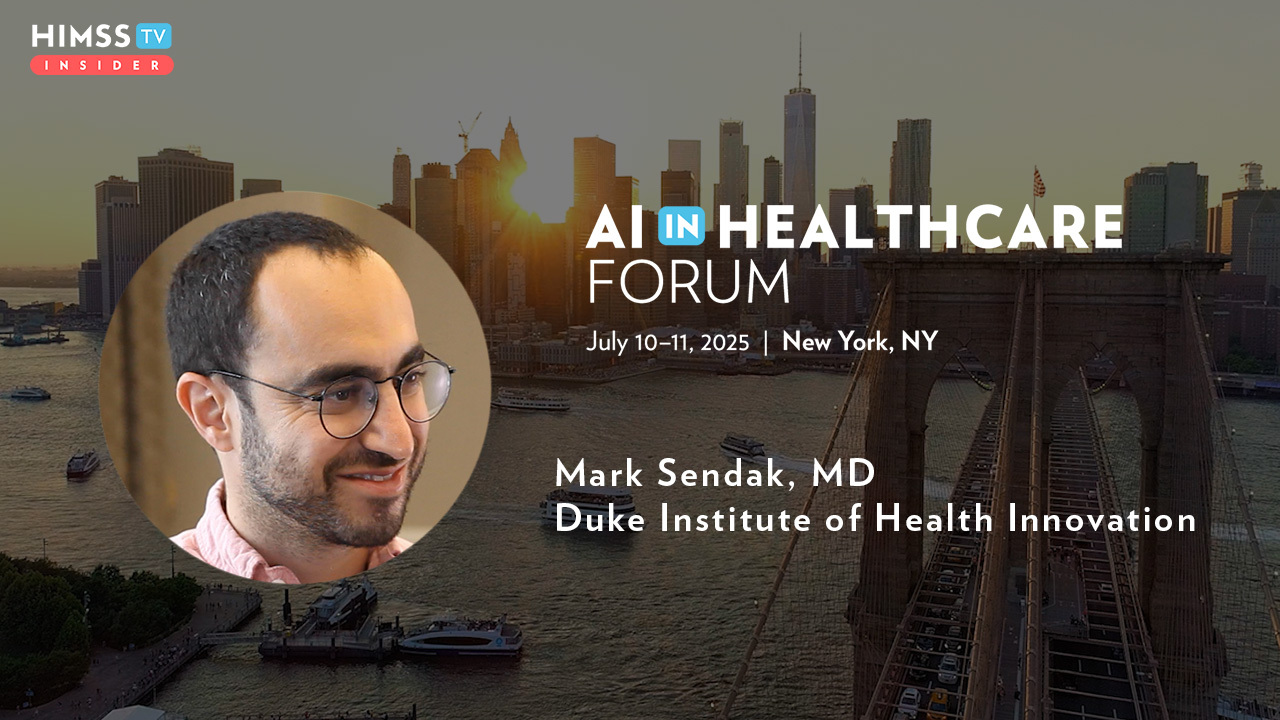
The Health AI Partnership is offering technical assistance to help FQHCs and community hospitals bridge the digital divide, says Dr. Mark Sendak, population health & data science lead at the Duke Institute for Health Innovation.
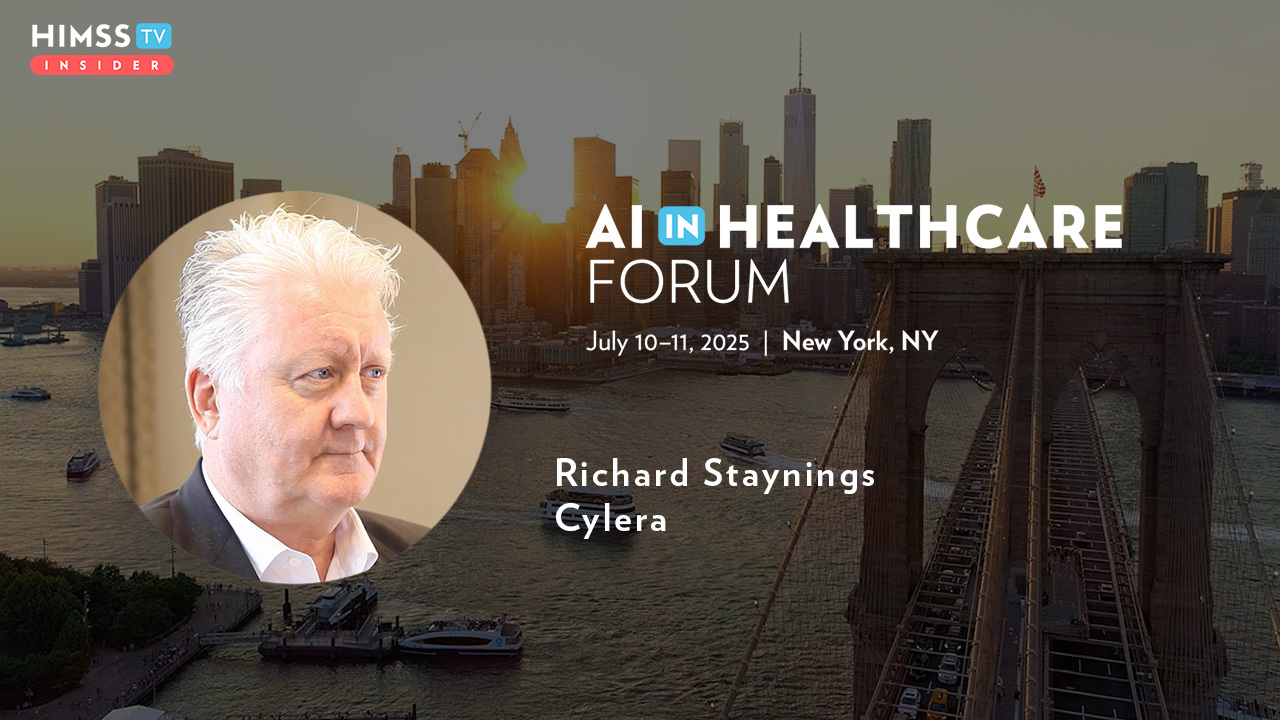
Hospitals need better visibility into the various AI-enabled tools coming onto their networks, and the ability to track new traffic patterns, security vulnerabilities and privacy risks, says Richard Staynings, chief security strategist at Cylera.
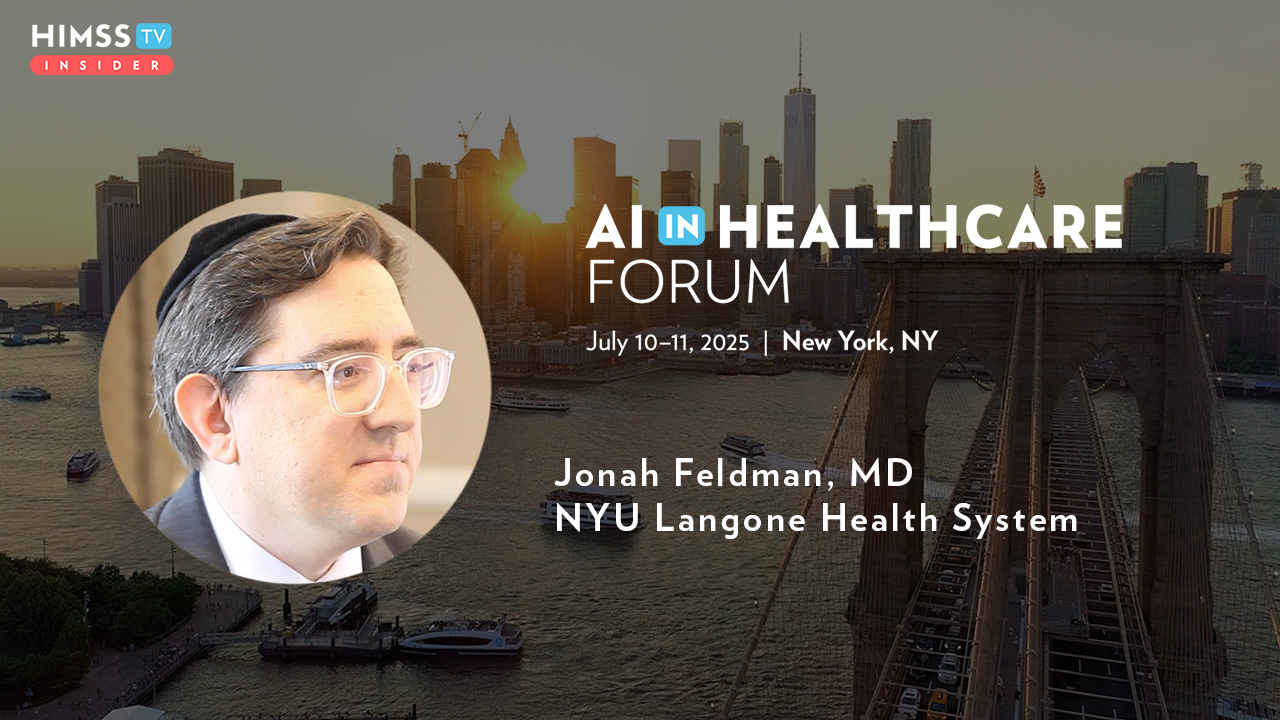
Properly deployed, AI agents could expand physicians' capabilities, allowing them to be more focused on care delivery, says Dr. Jonah Feldman, medical director for clinical transformation and informatics at NYU Langone.
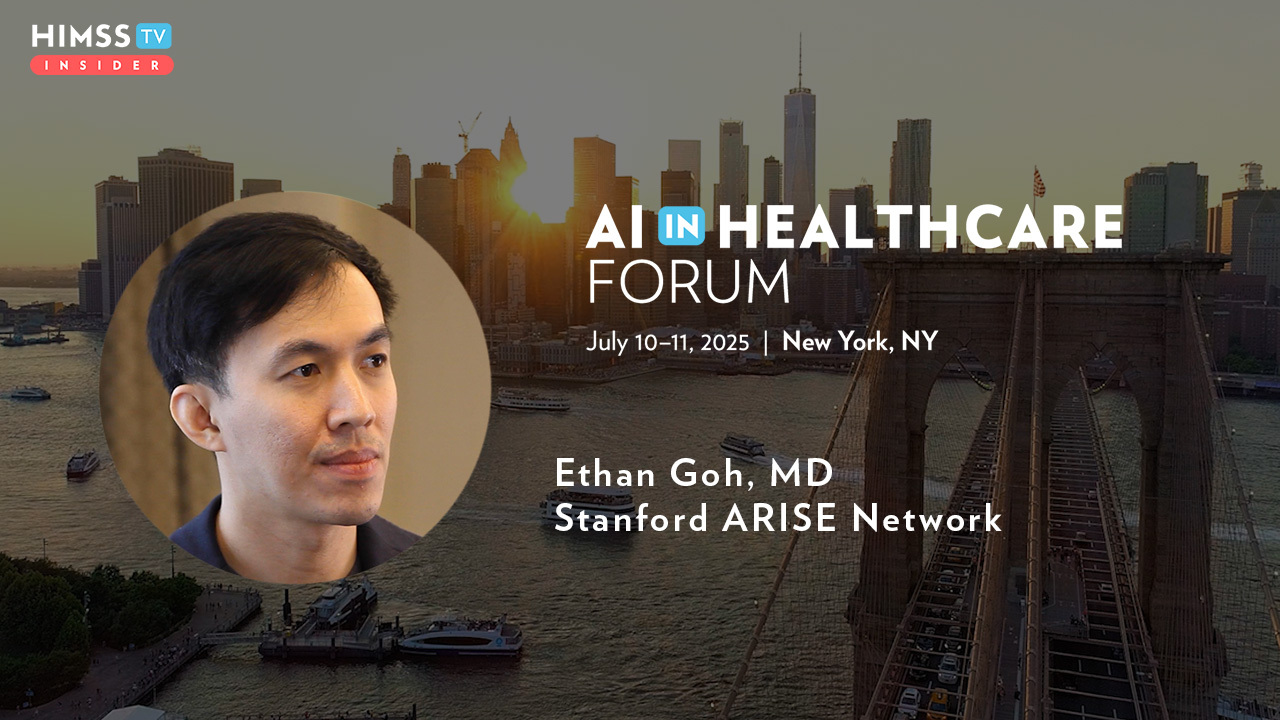
The new research aims to explore models' diagnostic and management reasoning skills – and what that could mean for clinicians and patients, says Dr. Ethan Goh, executive director of Stanford ARISE, the AI Research and Science Evaluation Network.
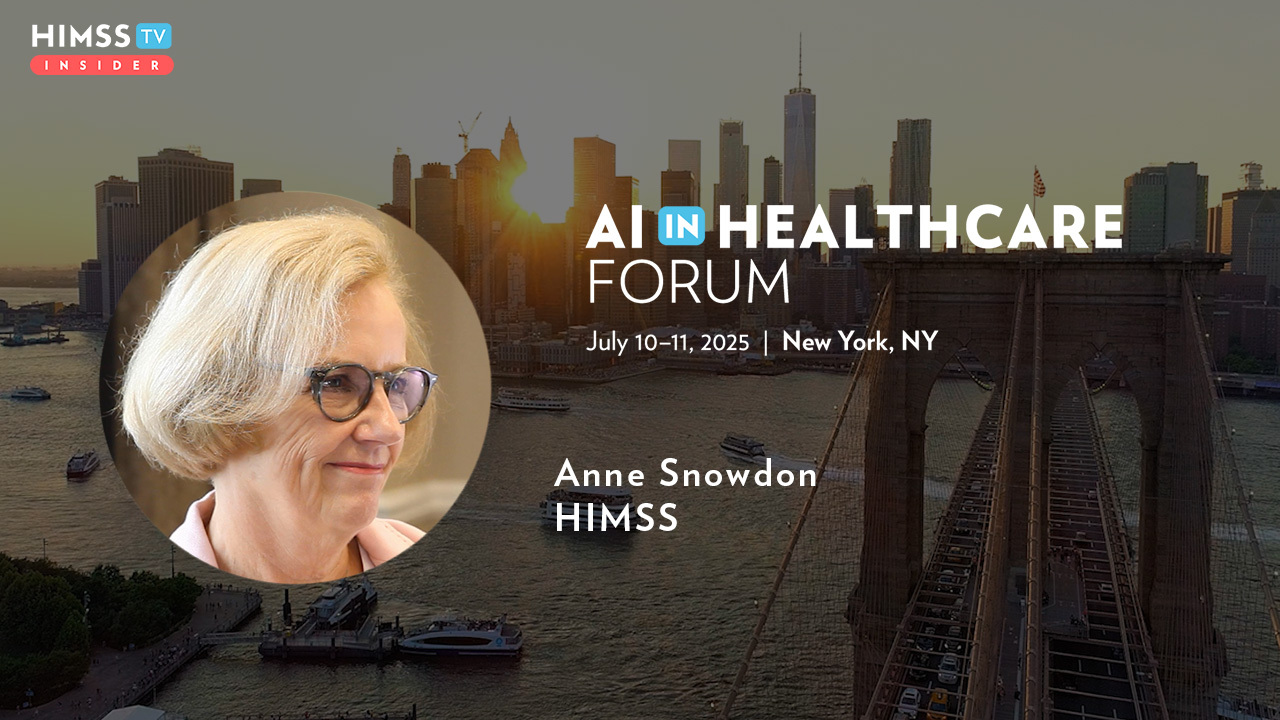
AI is more readily adopted in other industries, and there are "thousands of reasons for that," says HIMSS Chief Scientific Research Officer Anne Snowdon. The biggest is that in healthcare lives are at stake. "We don't ever take that for granted."
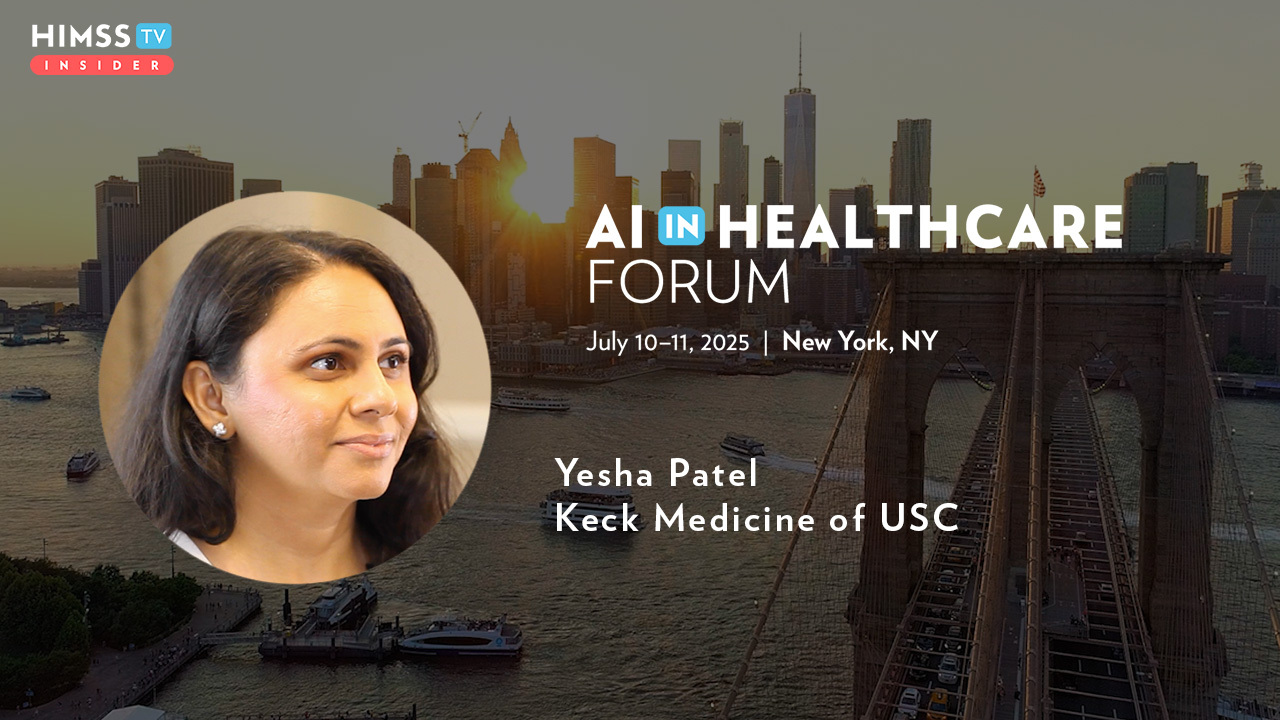
Yesha Patel, data scientist at Keck Medicine of USC says some applications come out of the box "ready to go." Others require a more customized approach – but that requires a lot of in-house expertise, like data scientists and AI architects.
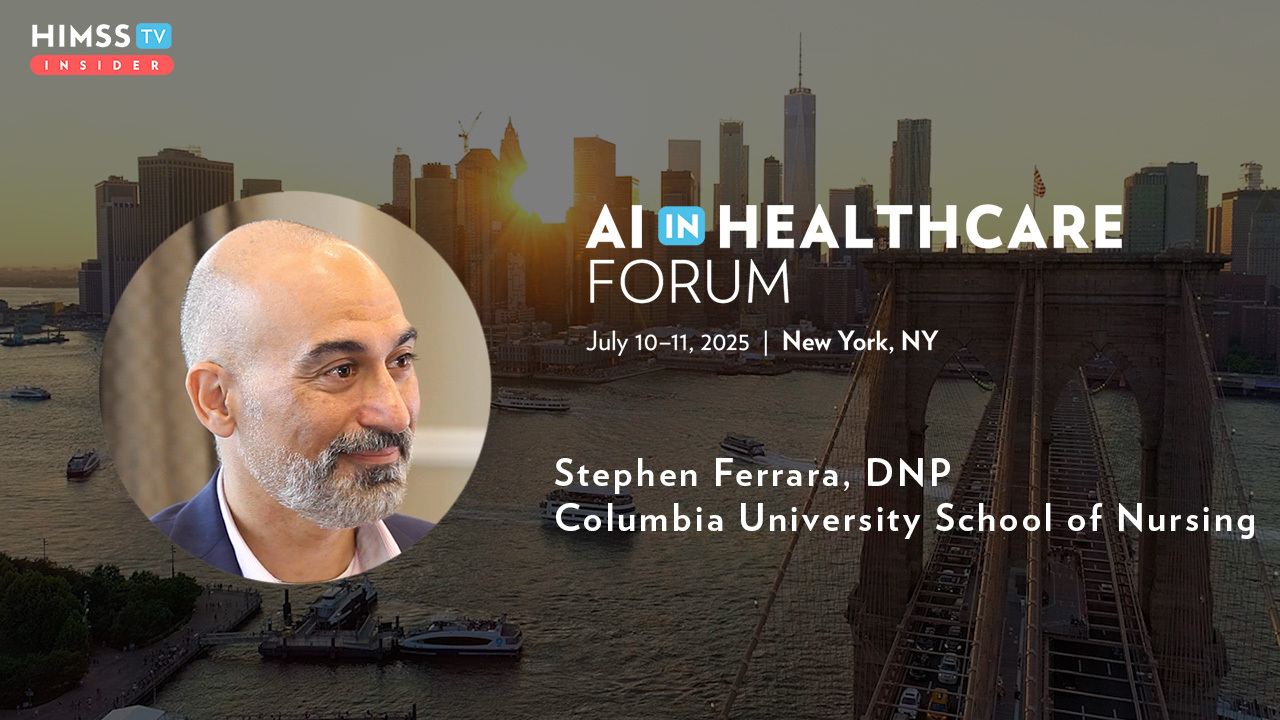
Stephen Ferrara, associate dean of AI at Columbia University and past president of the American Association of Nurse Practitioners, says educating nurses on "what AI can do, and what it can't" will be essential to getting buy-in.
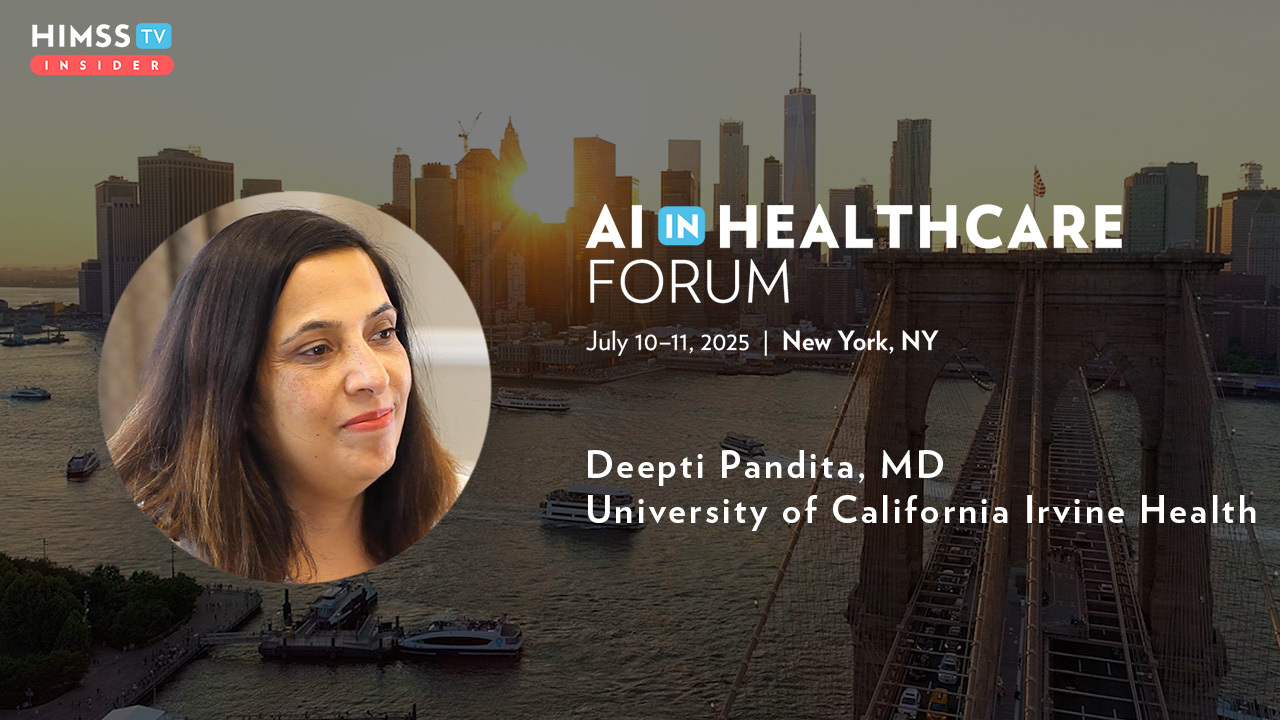
AI is a "shiny object" right now, but finding success depends on getting the scut work of data management right, says Dr. Deepti Pandita, CMIO & VP of Clinical Informatics at University of California Irvine Health.
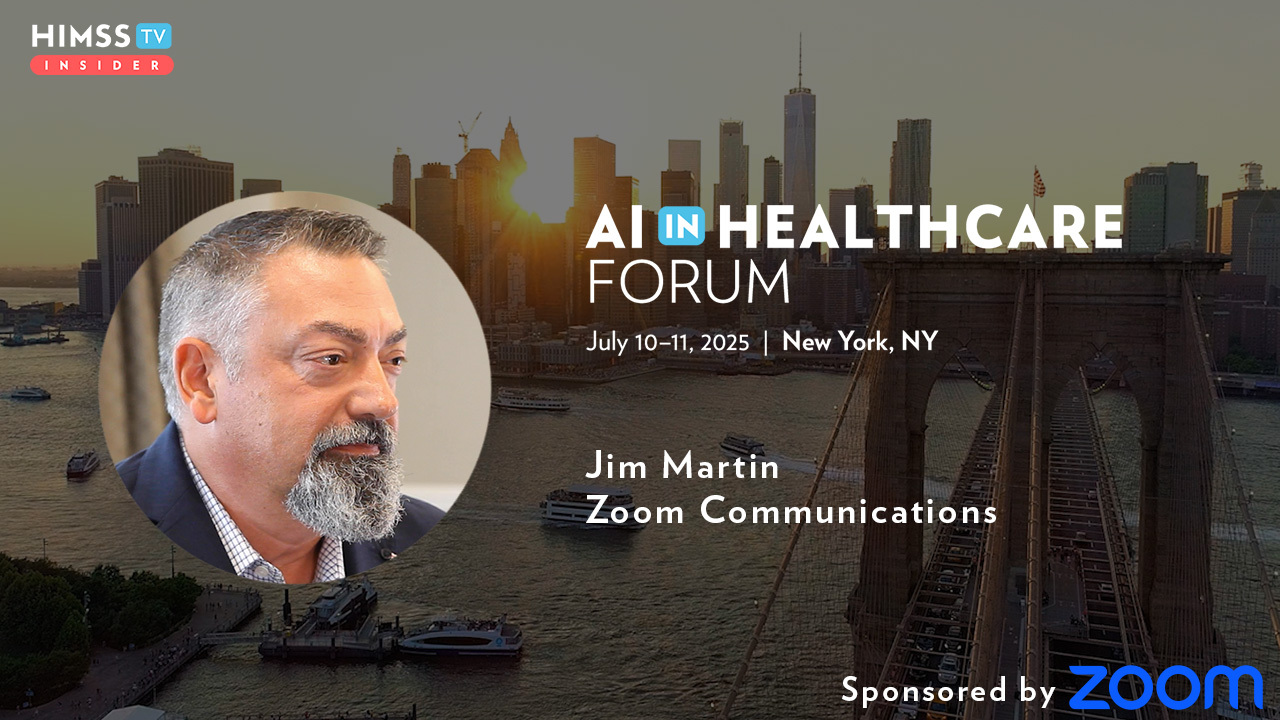
Zoom Communications' Jim Martin says the company's AI-first platform can streamline clinical and call center workflows, including generating visit notes to free clinicians' time so they can focus on patient interactions.
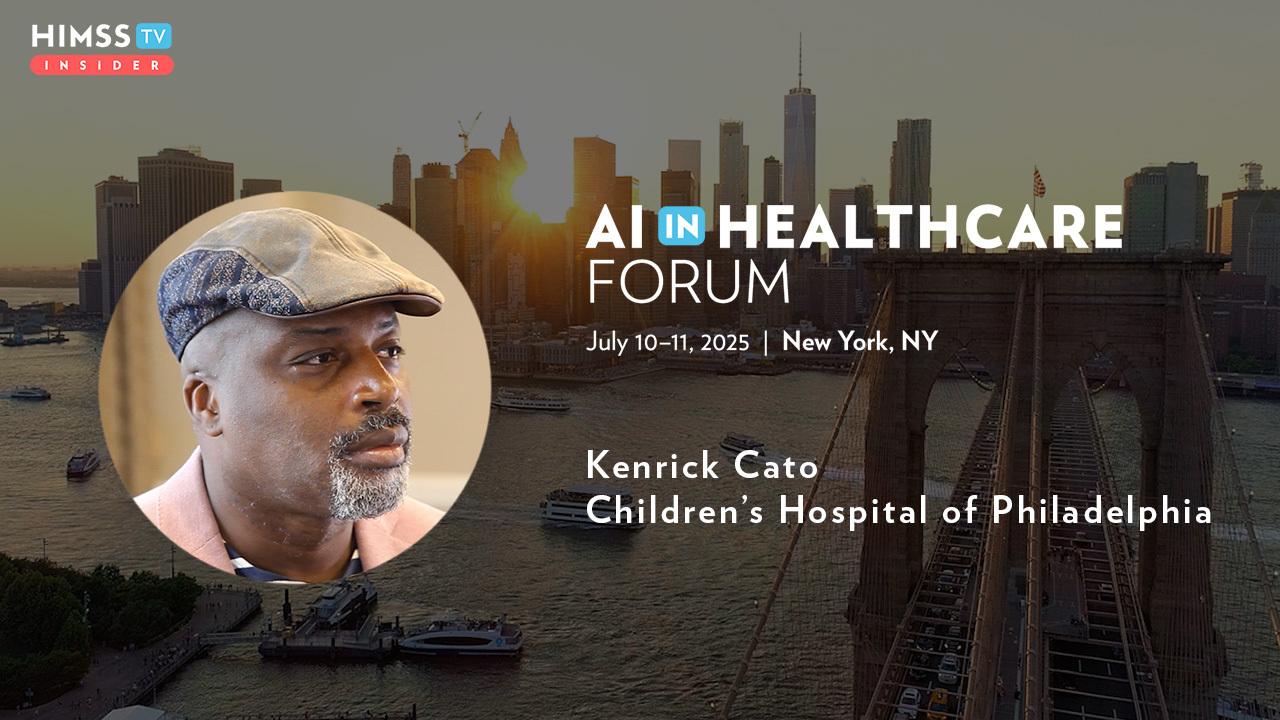
Kenrick Cato, nurse scientist, pediatric data and analytics, Children's Hospital of Philadelphia, talks about trust issues, nurses' and doctors' different perspectives on AI – and the need to not repeat the mistakes of EHRs when deploying it.

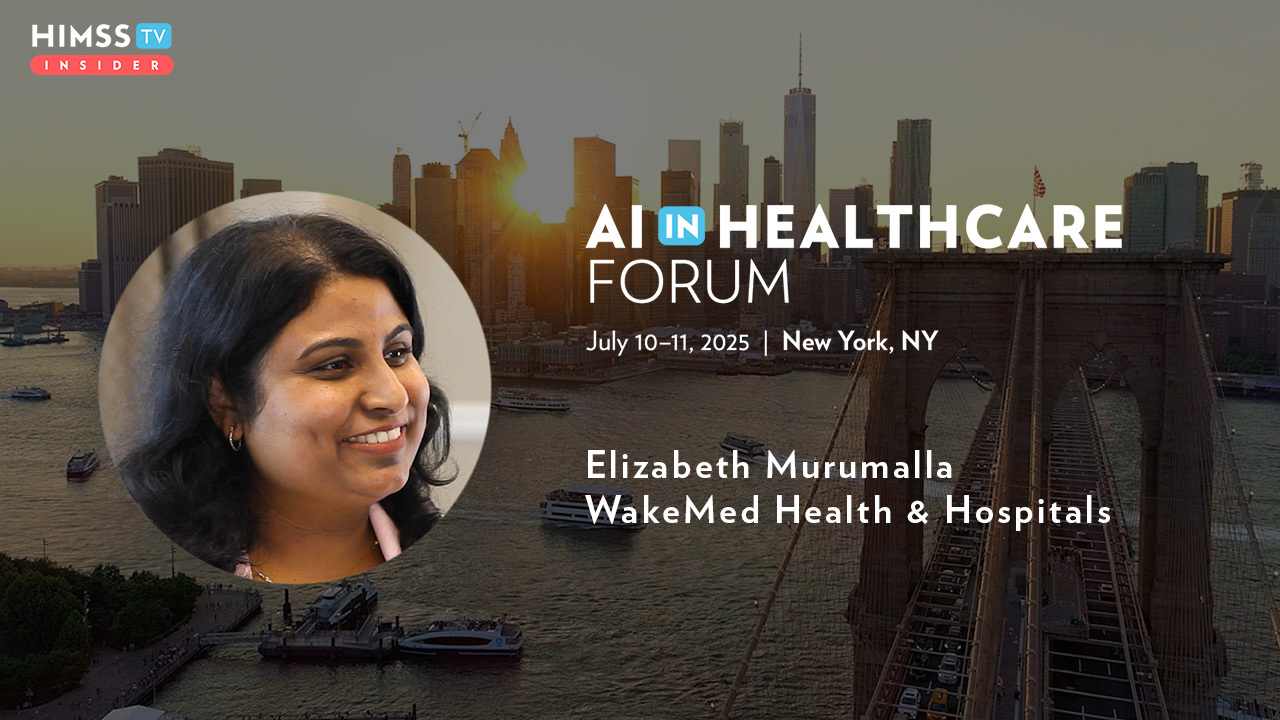
WakeMed Health & Hospitals is deploying both generative AI and predictive modeling, says Elizabeth Murumalla, the health system's IS project manager. She describes how its collaboration with Epic is helping manage some challenges along the way.
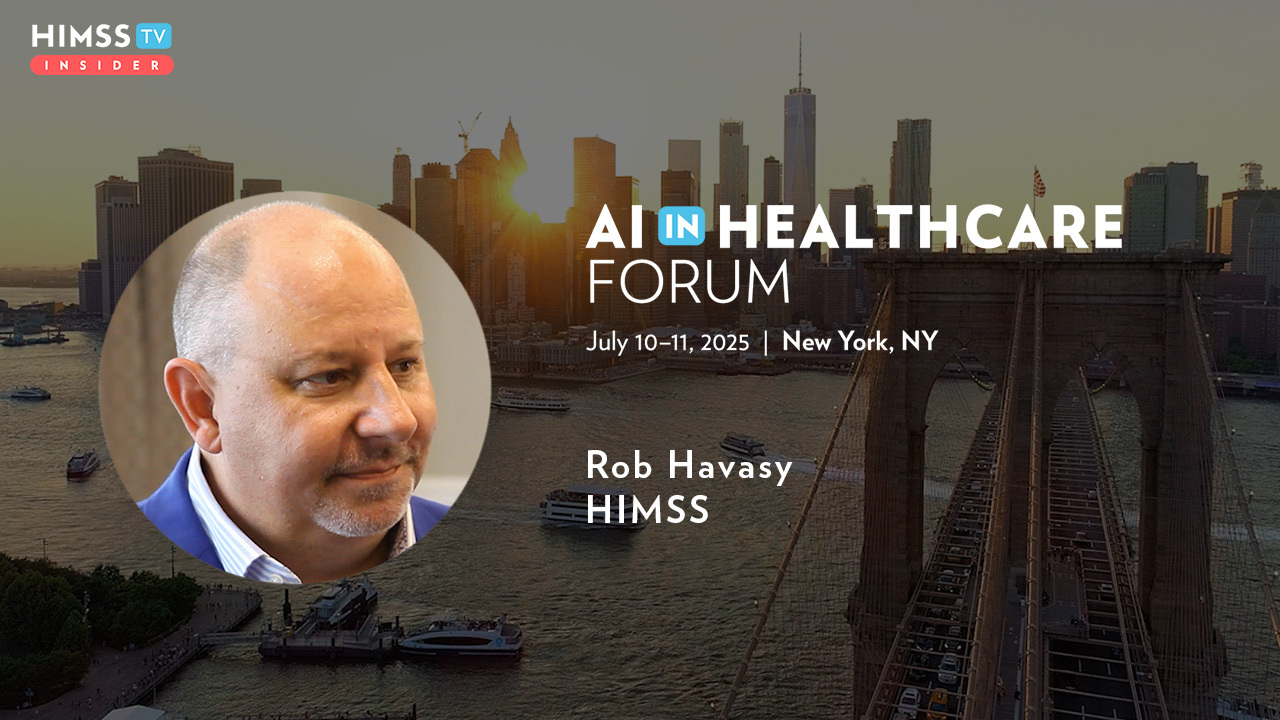
Rob Havasy, HIMSS senior director of informatics strategy, says that even with a steep artificial intelligence learning curve, the event offers confirmation that "everybody's going through this, everybody's learning along the way – and that's OK."