HIMSS TV is your Insider’s Guide to everything HIMSS. We are the world’s first online broadcasting network, focused on global innovation and how information and technology are driving change in healthcare.
Nurse retention hinges on career stage rather than age across five generations in today's workforce, explains symplr CNIO Ali Morin. With self-scheduling tech, providers can deliver shift predictability and support continuing education goals.
David Bender, counsel at Reed Smith's Healthcare Practice Group, discusses why MA star ratings could alter bonus payments and potentially spur plan exits.
Healthcare organizations need a risk-based and patient-centered approach for benchmarking, says Ellipsis Health cofounder and Chief Medical Officer Dr. Michael Aratow, whose company has met with HHS and other agencies on AI safety standards.
Dr. Michael Hasegawa, emergency medicine physician and BodyTime founder and CEO, discusses Bill Gates' predictions on increasingly autonomous AI in healthcare and where to draw the line between AI assistance and replacing human judgment.
Sandra Abrevaya, cofounder and CEO of Synapticure, discusses the company's virtual ataxia care program and its aim to expand access to specialized neurologists and personalized treatment plans for people with the neurological condition.
Behind-the-scenes artificial intelligence running unsanctioned or misconfigured third-party apps can introduce data leakage, says Lookout CTO David Richardson. These computers need "to be controlled and protected as any other."
In her new role, Jennifer Goldsack, SVP and head of the AMA's Center for Digital Health and AI, says she is focused on furthering AI development that reflects doctors' ethical commitments and serves broader patient needs.
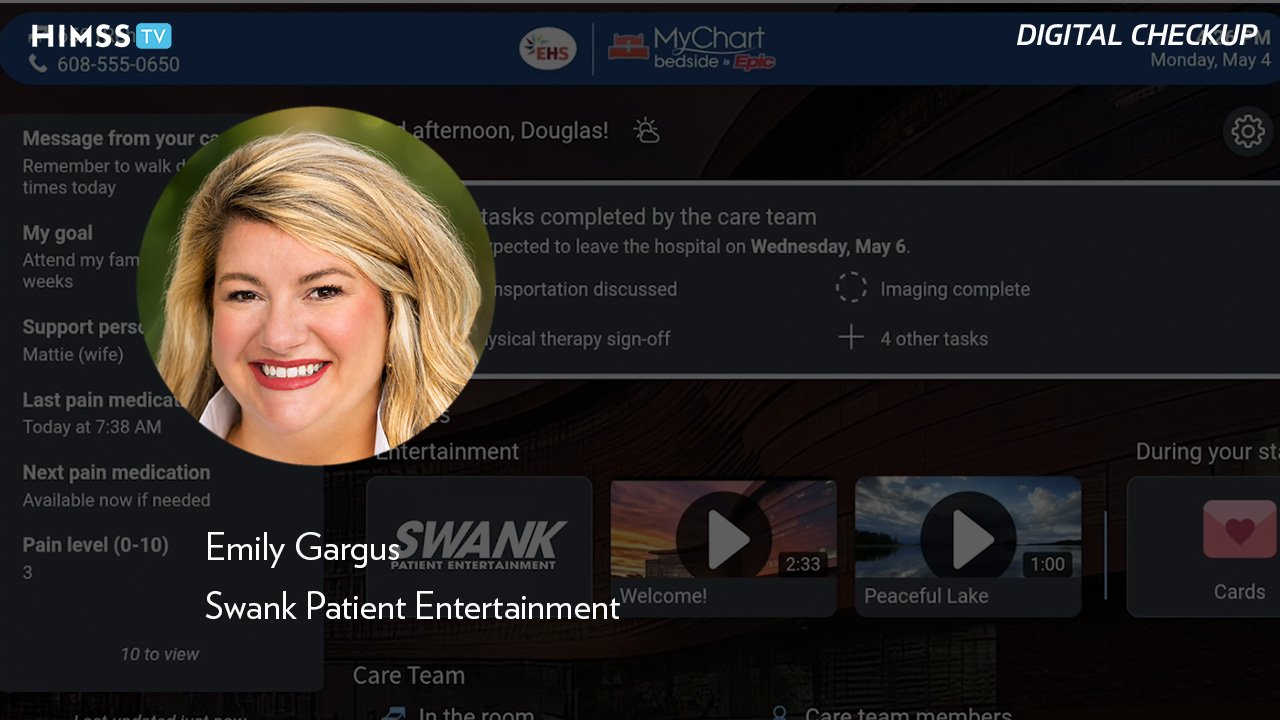
By enticing bedside patients into their Epic electronic health records through an entertainment integration, one health system saw portal utilization rise from 38% to 54% and satisfaction scores increase, says Emily Gargus, senior manager at Swank.
The conversation is moving away from documentation burden to administrative burden, says Vikram Khanna, chief revenue officer for Suki.
Musculoskeletal care is a specialty that has long been underserved by technology, say the chief medical officer and the CEO of Flagler Health, who describe how their platform can help.
There's a clear trend toward more accountability and transparency and a higher bar for outcomes in SNFs, says Chris Dawe, president of Curana Health.
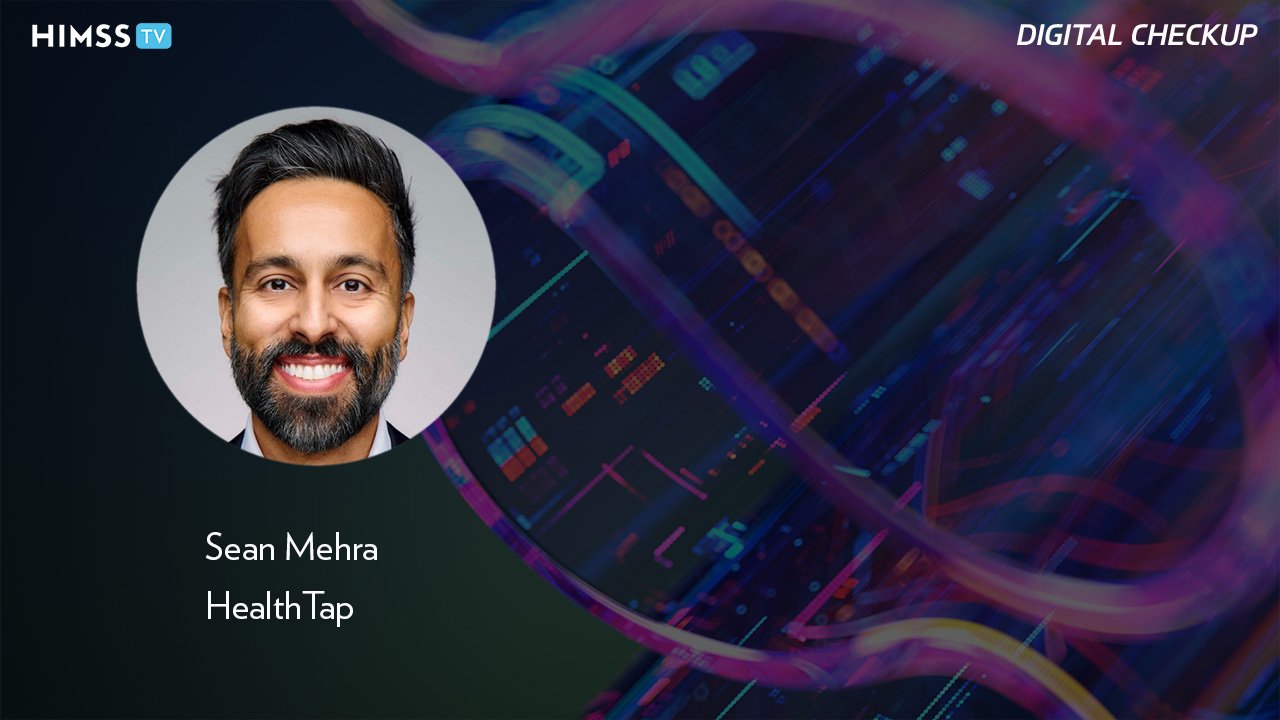
Sean Mehra, HealthTap cofounder and CEO, says AI that remembers a patient's health history and previous interactions could enable more personalized, continuous care while posing new questions around patient privacy, safety and data security.