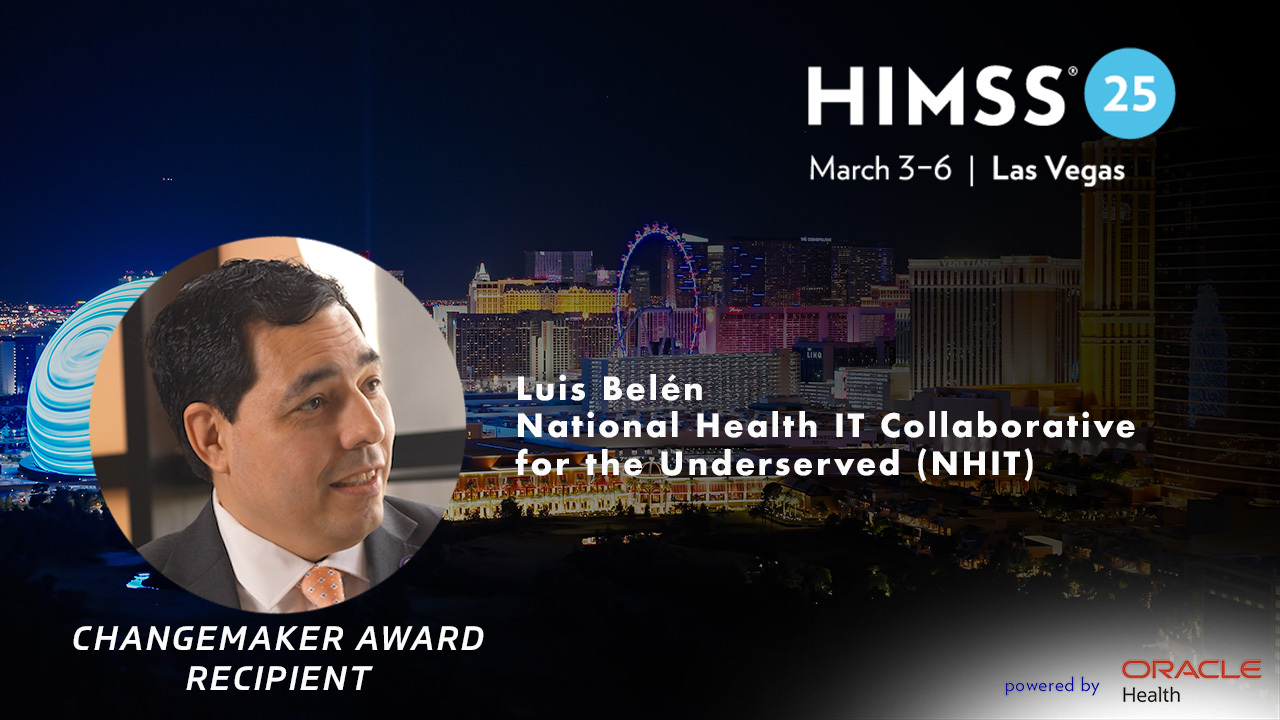
Luis Belén, CEO of the National Health IT Collaborative for the Underserved and a 2025 HIMSS Changemaker Award recipient, says focusing on why they do their work can help healthcare IT professionals serve patient populations more effectively.
As hospitals incorporate more smart devices, Bob Friday, Juniper Networks' chief AI officer, says the company's AI-powered IT operations (AIOps) tool can help enhance mobile and wireless experiences for patients and staff.
HIMSS Changemaker Award recipient Dr. Tamara Sunbul, digital health transformation and innovation strategic advisor in Saudi Arabia, says clinicians can blend clinical and IT expertise to help patients realize their health potential.
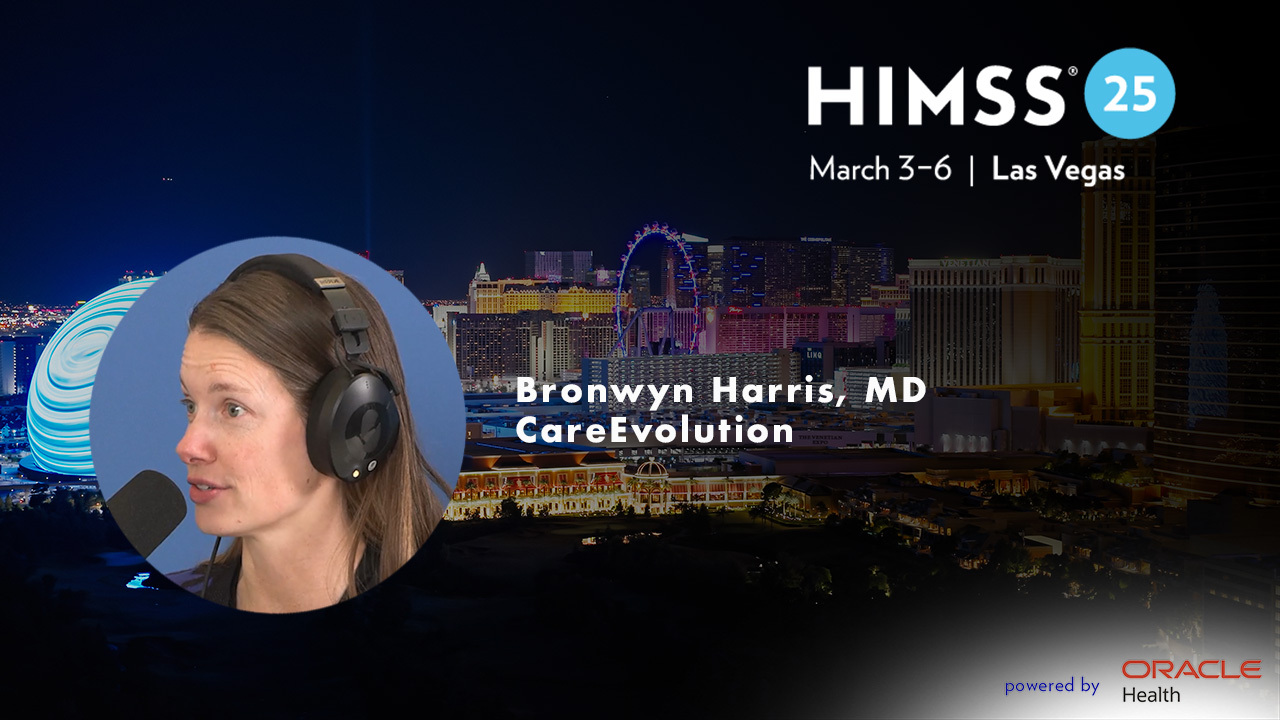
Dr. Bronwyn Harris, chief transformation officer at CareEvolution, discusses how the company's asthma management tool creates a baseline of data and notifies patients of significant changes, helping them to better manage their condition.
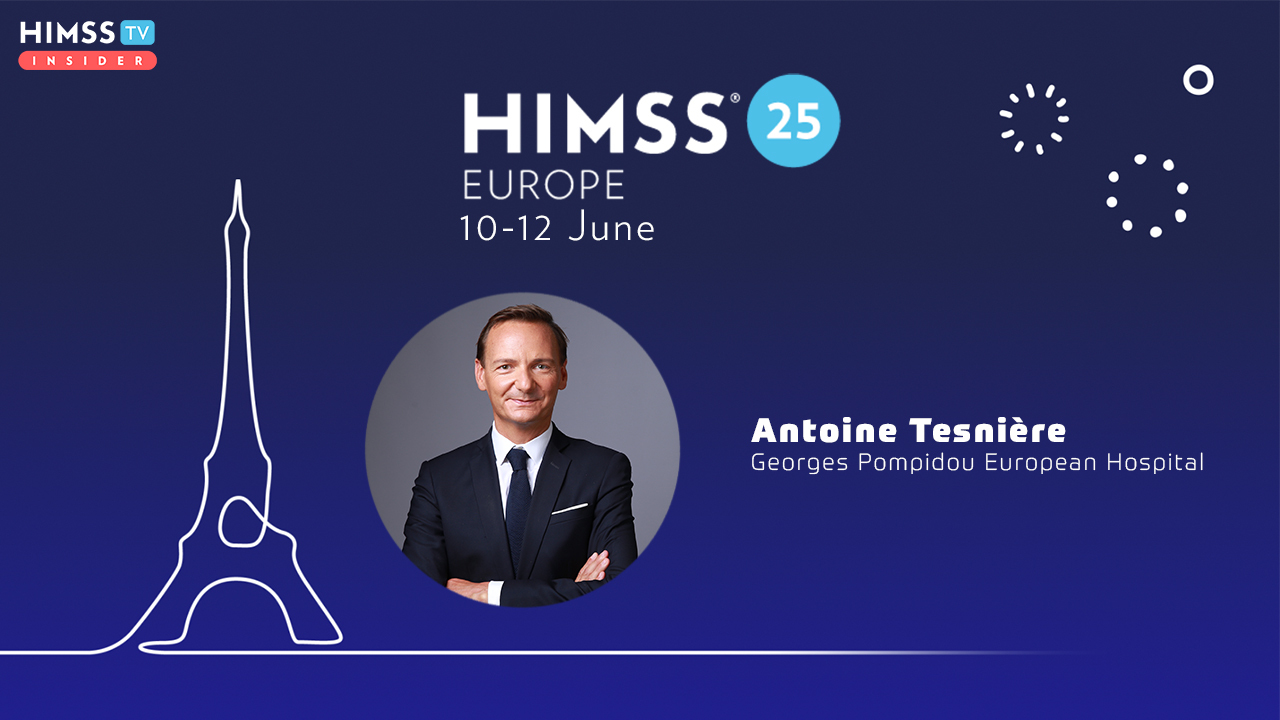
To ensure ethical and responsible AI innovation in healthcare, progress must be balanced with strong protections for patient privacy, says Antoine Tesnière, professor at George Pompidou European Hospital.
Sumit Nagpal, Cherish Health CEO, says his company's tool can help monitor patients who may not want to, or remember how to, enter their own data into a health app.
This pioneering dual degree program, in its second academic year, is designed to equip future doctors with the AI knowledge needed to revolutionize patient care.
Anne Snowdon, chief scientific research officer at HIMSS, says health systems need to engage patients, families and clinicians as partners when leveraging AI and other advanced technologies to achieve the best possible care outcomes.
Dr. Alfredo Almerares, clinical executive manager at InterSystems, says the company's generative AI tools that summarize patient visits are helping Latin American clinicians to relieve burnout and build patient relationships.
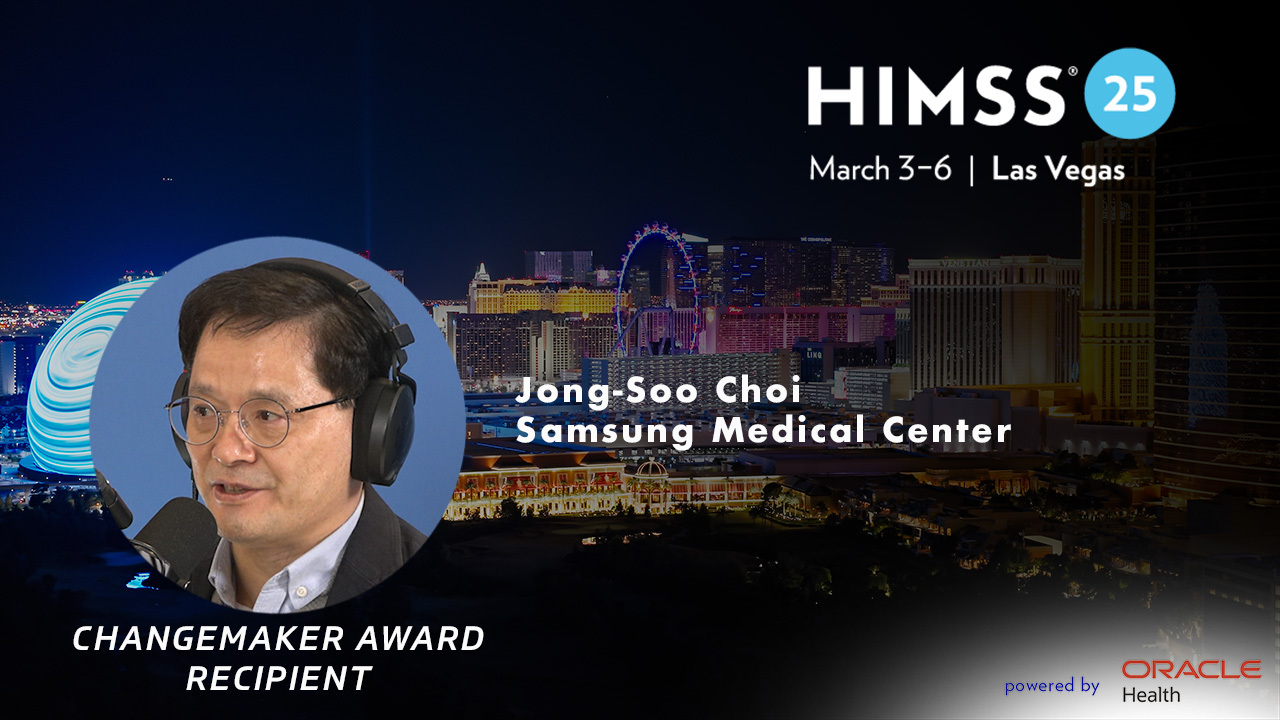
HIMSS Changemaker Awardee Jong-Soo Choi, CTO of South Korea's Samsung Medical Center, says the hospital's central goal of improving patient engagement and care quality has helped it achieve Stage 7 on the AMAM maturity model.
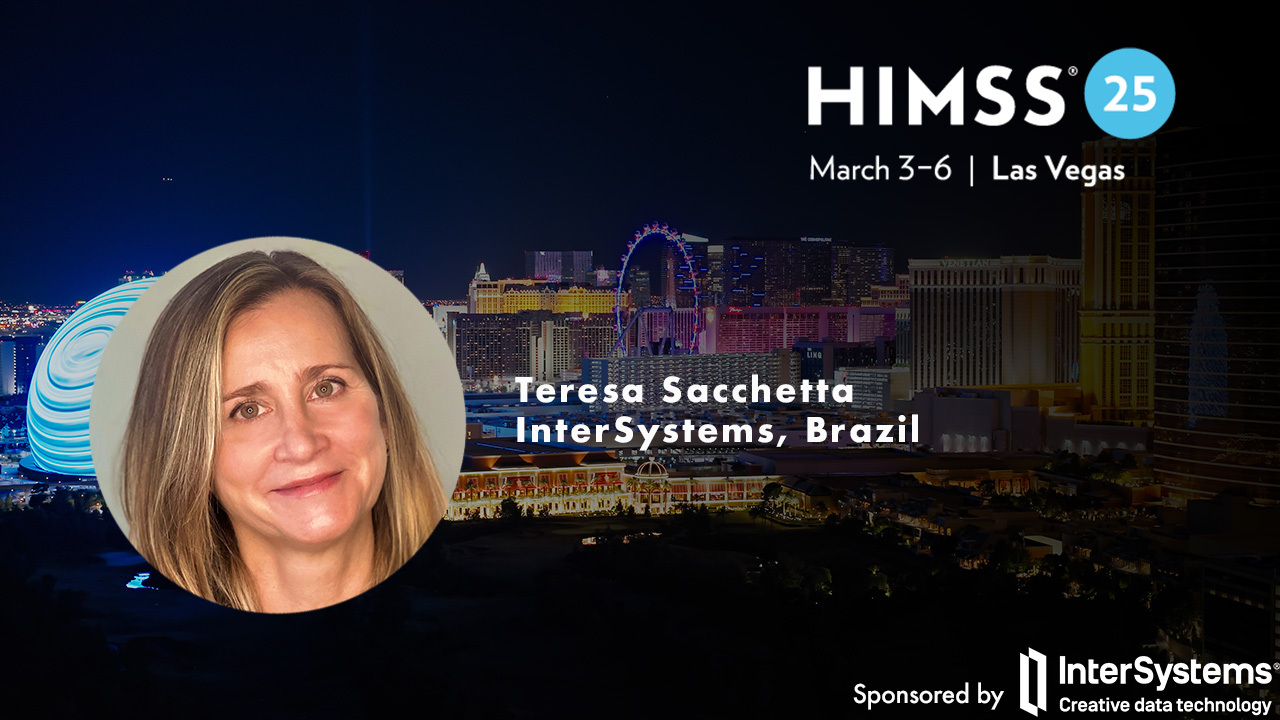
Teresa Sacchetta, healthcare director at InterSystems Brazil, discusses how the company helps healthcare organizations to integrate patient data within their own systems and share that data between different hospitals and networks.
Mary Joy Garcia-Dia, program director of nursing informatics at NewYork-Presbyterian Hospital and a 2025 HIMSS Changemaker Awardee, says nurses are embracing digital tools that improve their workflows and their unique connections with patients.