HIMSS TV is your Insider’s Guide to everything HIMSS. We are the world’s first online broadcasting network, focused on global innovation and how information and technology are driving change in healthcare.
With digital streaming as well as AI, hospitals and health systems can improve their patient education materials, empowering patients at home and reducing the time nurses spend answering questions, says Anjali Kataria, Mytonomy CEO and cofounder.
One of the most prominent voices in health IT explains what artificial intelligence can and cannot do in healthcare, and reveals some of the AI work being done at Mayo.
Ravishankar Rao Vallabhajosyula, global head and senior director of data science at Impetus Technologies, and Ravi Baji, analytics sales specialist, HCLS at AWS, discuss AI/ML use cases that improve patient outcomes and enhance care delivery.

Niall O'Connor, chief technology officer at Cohere Health, shares strategies and insights on how payers and providers can prevent overwhelming administrative processes with automation.
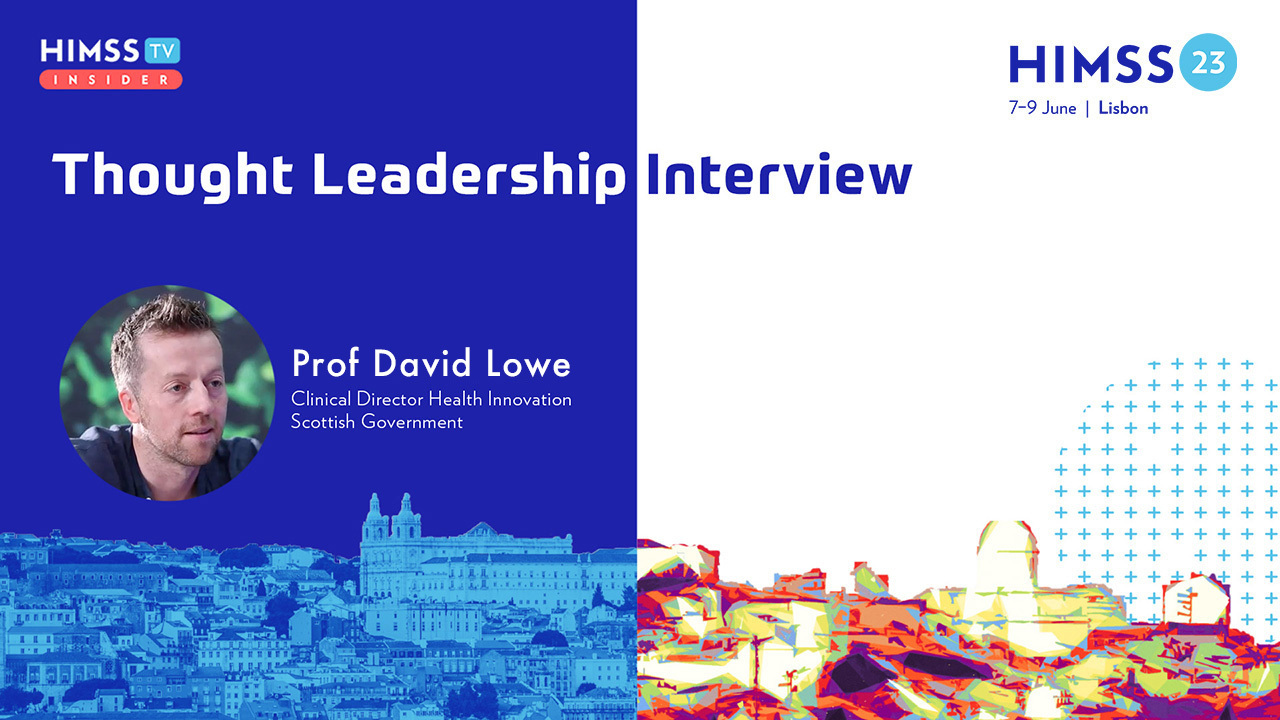
Professor David Lowe from the Scottish government talks about use cases where AI can be adopted immediately, the foundations that need to be in place and the change management processes required for successful deployment.
Dr. Oscar C. Marroquin, chief healthcare data and analytics officer at the UPMC health system, talks about what it takes to create the clinical analytics infrastructure that makes technologies like AI and machine learning useful.
Interoperability standards must make the transition from securing patient health data to delivering a clear output for clinicians, says John Nebergall, COO of Consensus Cloud Solutions, at the HIMSS23 cybersecurity pre-conference session.
Payel Das, principal research staff member and manager in the Trusted AI department of IBM and IBM master inventor, relays the prospect of large language models filling gaps in data and generating insight based on what is missing.
Harvey Castro, author of "ChatGPT and Healthcare" explains how large language models trained mainly on healthcare content could potentially give better results than general purpose models, but still need human intervention to double-check results.
More choice doesn't mean better experiences, says Dr. Adrienne Boissy, Qualtrics CMO and Cleveland Clinic staff neurologist. Consumers are making value-based decisions and care about privacy, so they should be co-designing healthcare AI.
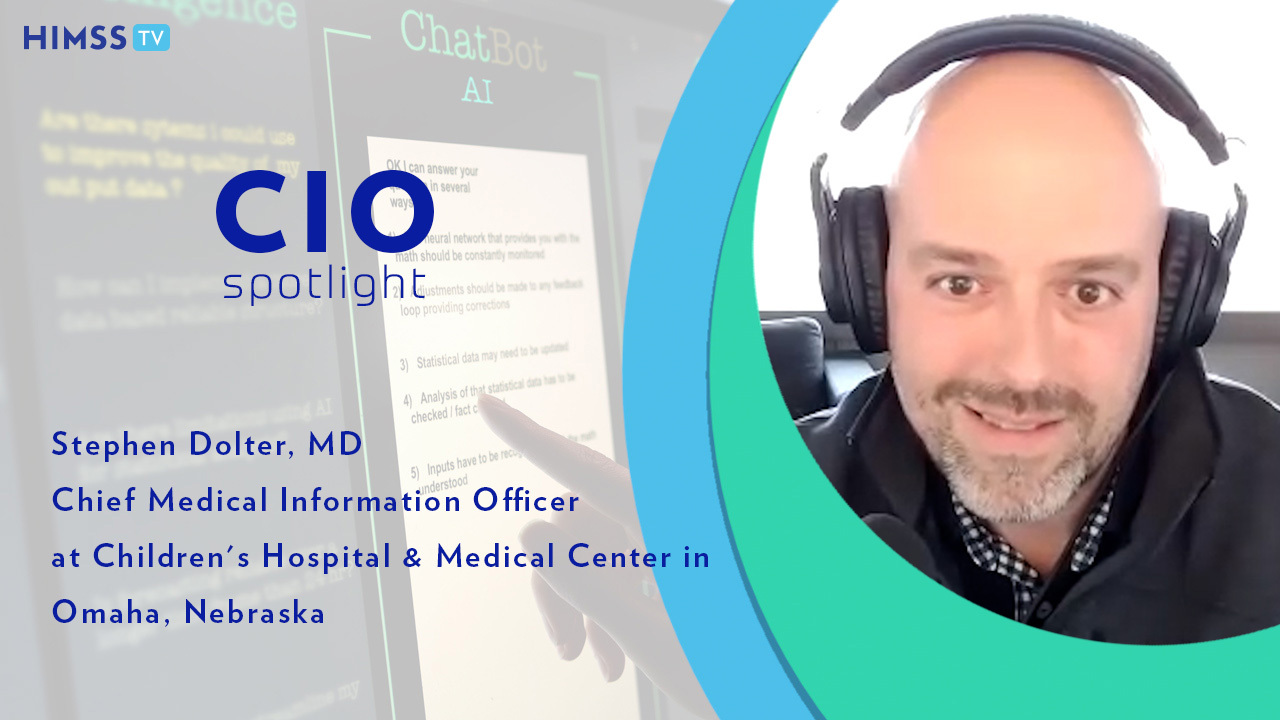
The chief medical information officer of Omaha's Children's Hospital & Medical Center says large language models and generative AI have huge potential for healthcare – but is taking a cautiously deliberative approach to deploying them.
Andrew Eye, cofounder and CEO of ClosedLoop.ai, addresses zero tolerance for "black box" algorithms, achieving fairness with patient-level explainable AI and establishing best ML practices to advise thoughtful healthcare policy decisions.