HIMSS TV is your Insider’s Guide to everything HIMSS. We are the world’s first online broadcasting network, focused on global innovation and how information and technology are driving change in healthcare.
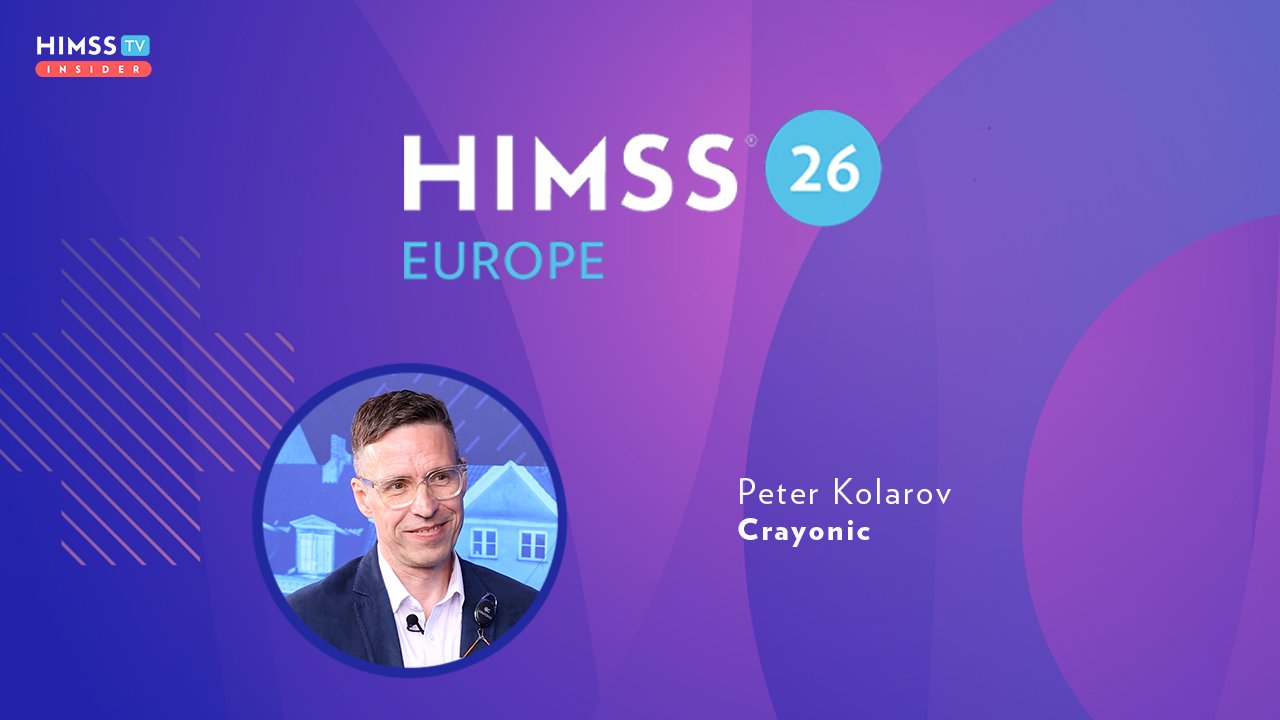
Peter Kolarov, Crayonic CEO, says the company is bringing digital identity tags to hospitals that use biometrics to authenticate clinicians seamlessly and automatically log them in and out of workstations based on proximity.
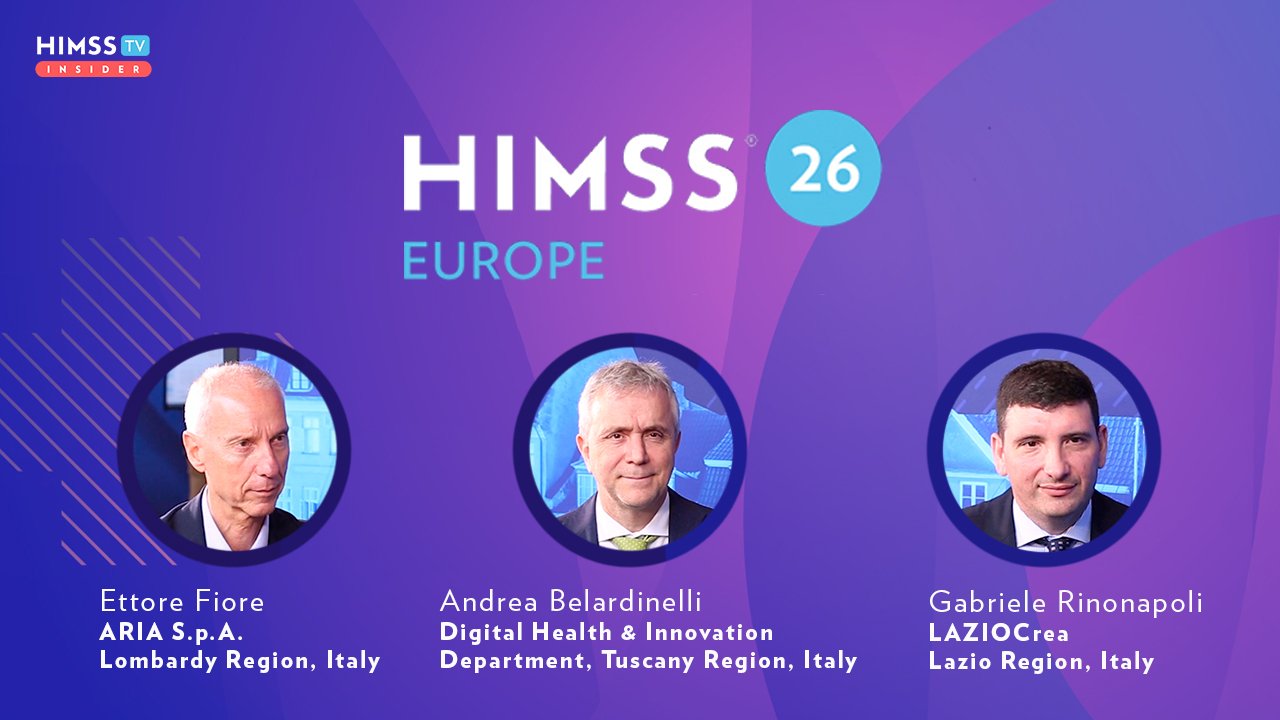
Leaders from the Lombardy, Tuscany and Lazio regions of Italy discuss using HIMSS' EMRAM maturity model to measure the impact of digital health projects funded by the Italian National Recovery and Resilience Plan (PNRR).
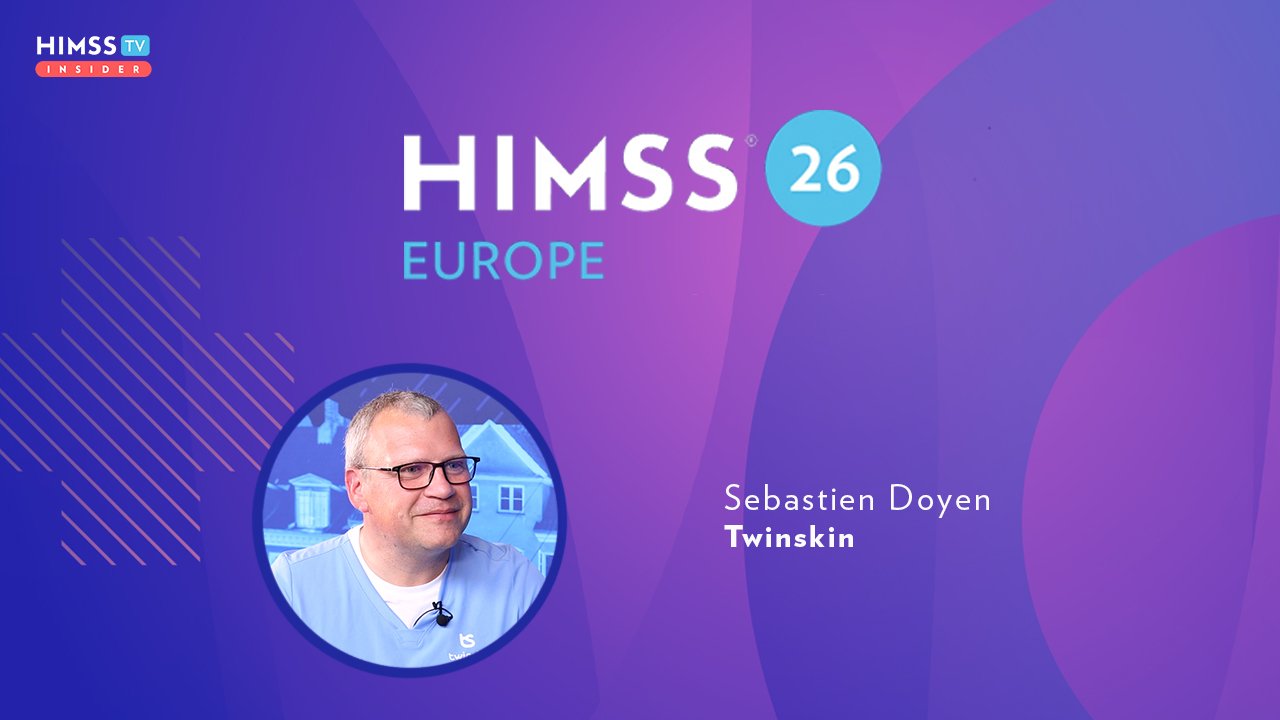
Sebastien Doyen, Twinskin CEO, says the company's app analyzes 20-second videos that clinicians take with a mobile device to determine how wounds change over the course of treatment.
Domestic Artificial Intelligence's Emily Kate Genatowski discusses how she has been living with domestic robot Tova for more than a year to uncover insights about how robots can coexist with people in everyday life.
Mental health crises rarely happen during appointments, so author Davor Mucić says that approved digital tools may improve outcomes for patients who need extra help before their next visit.
Tara Steele, executive director of the Safe AI for Children Alliance, says new AI apps must be proactively built to shield children from harm, rather than changed after children have been harmed or endangered.
Megan Coder of the Society for Digital Mental Health cautions that patients may rely on general-purpose AI chatbots that are unsuitable for mental health treatment rather than seek care from a human clinician.
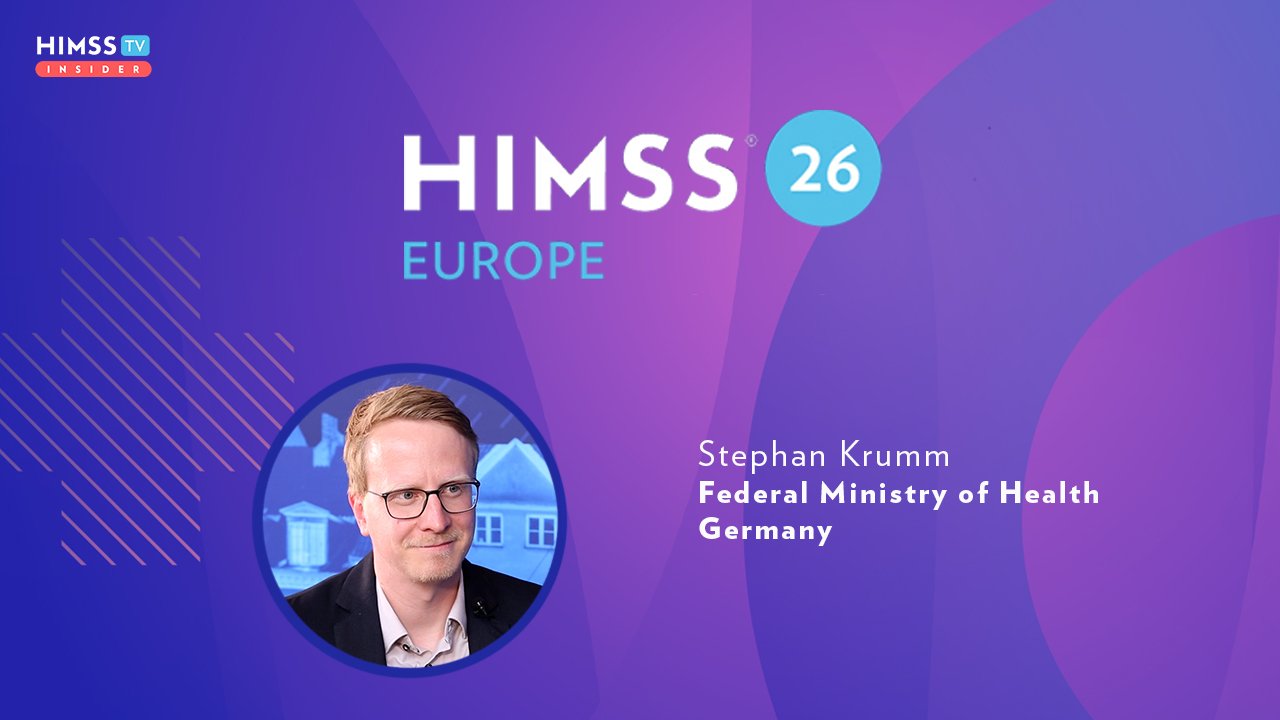
Stephan Krumm of Germany's Federal Ministry of Health discusses DigitalRadar, a customized, EMRAM-inspired model that the country uses to assess the digital maturity of its hospitals within a regional context.
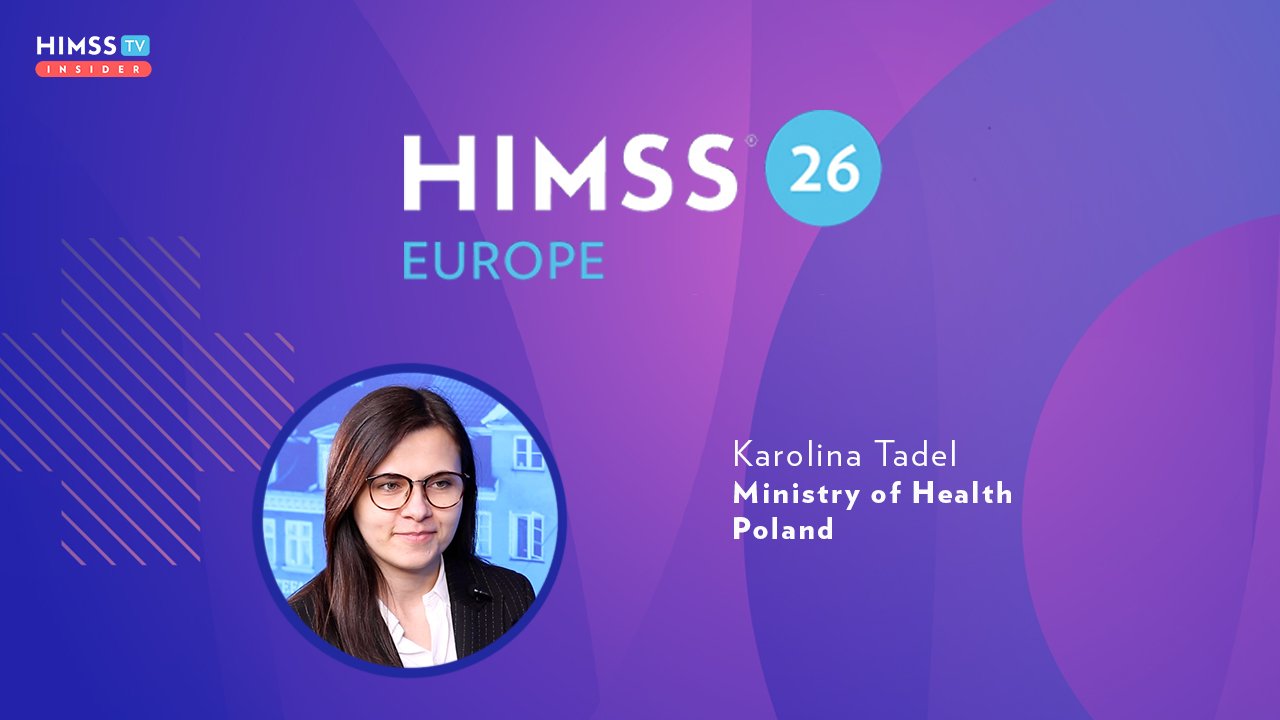
Karolina Tadel of Poland's Ministry of Health discusses the country's digital health advances, including establishing e-referrals, e-prescriptions, an e-registration platform for appointments and AI-assisted radiology imaging.

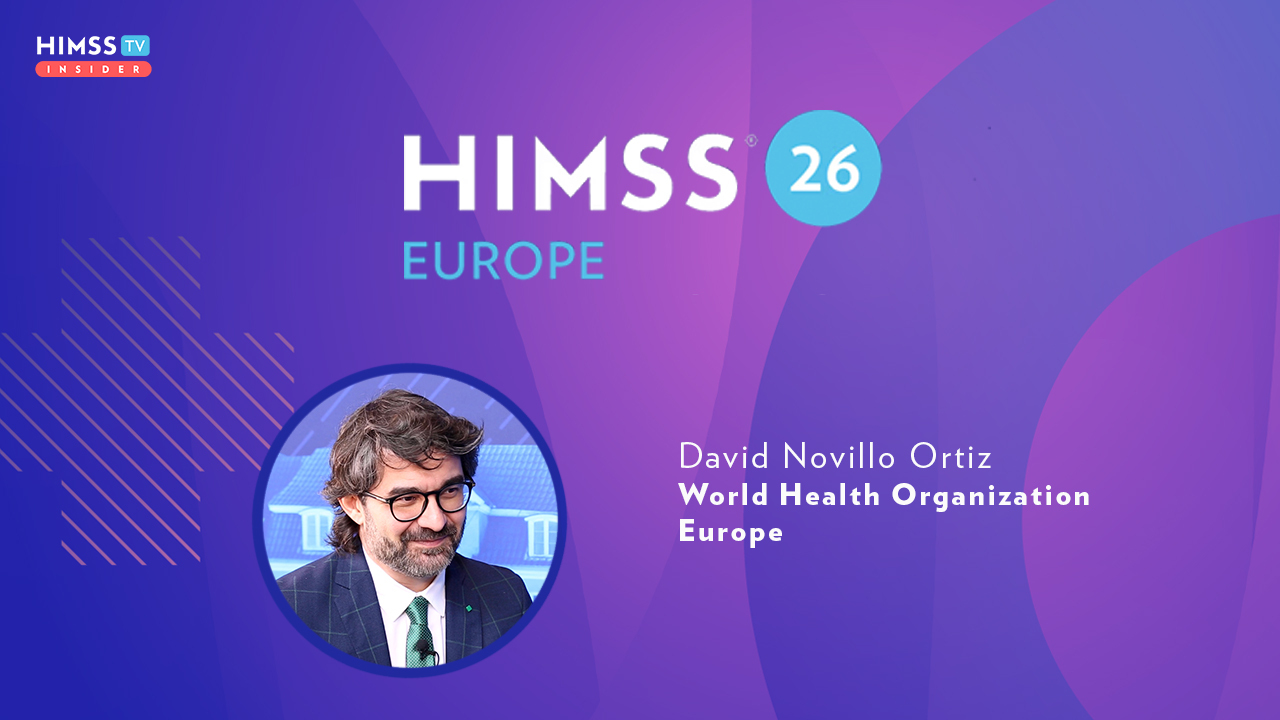
David Novillo Ortiz of WHO's European regional office discusses a study that found significant weaknesses in AI governance across European health systems, and how the agency is developing a roadmap to help member states strengthen their AI oversight.
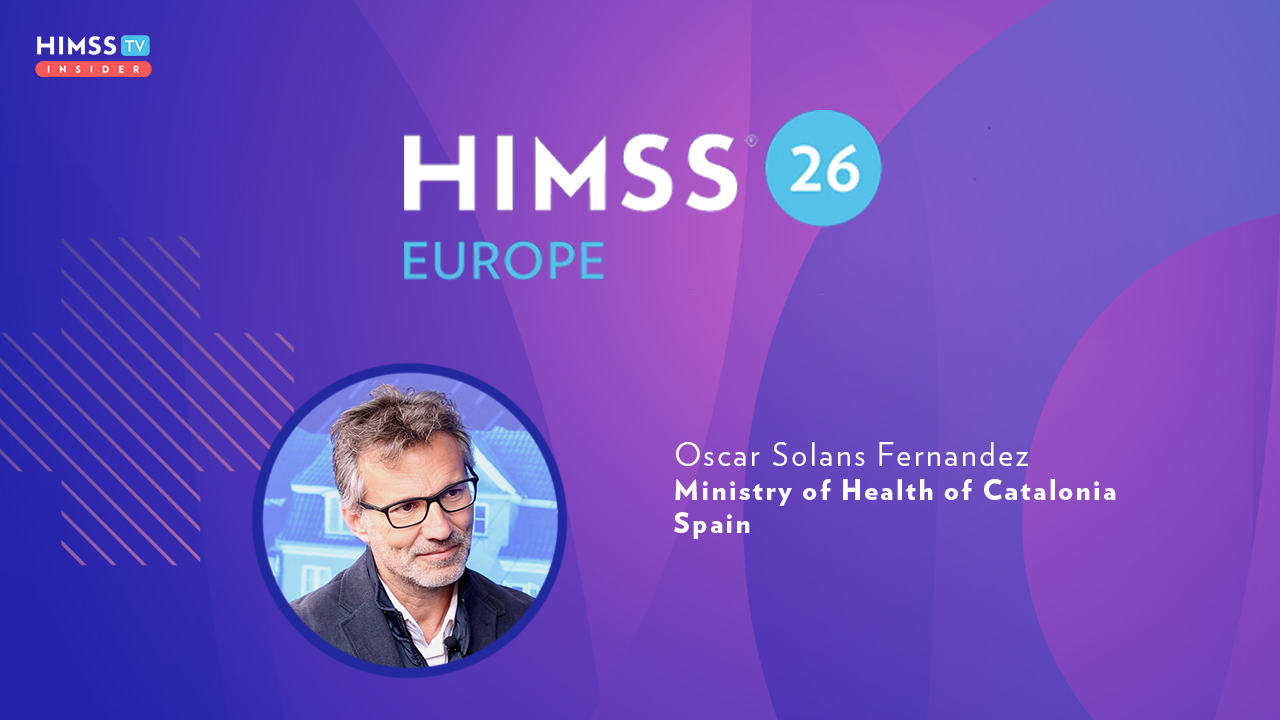
Oscar Solans Fernandez of Catalonia's Ministry of Health says the ministry has created an AI-powered healthcare platform that includes clinical guidelines and a medication database to help AI agents provide accurate answers.
IHE Catalyst's Alexander Berler discusses how the nonprofit is orchestrating standards, testing and implementation to lay the groundwork for upcoming EU health data exchange regulations.