HIMSS TV is your Insider’s Guide to everything HIMSS. We are the world’s first online broadcasting network, focused on global innovation and how information and technology are driving change in healthcare.
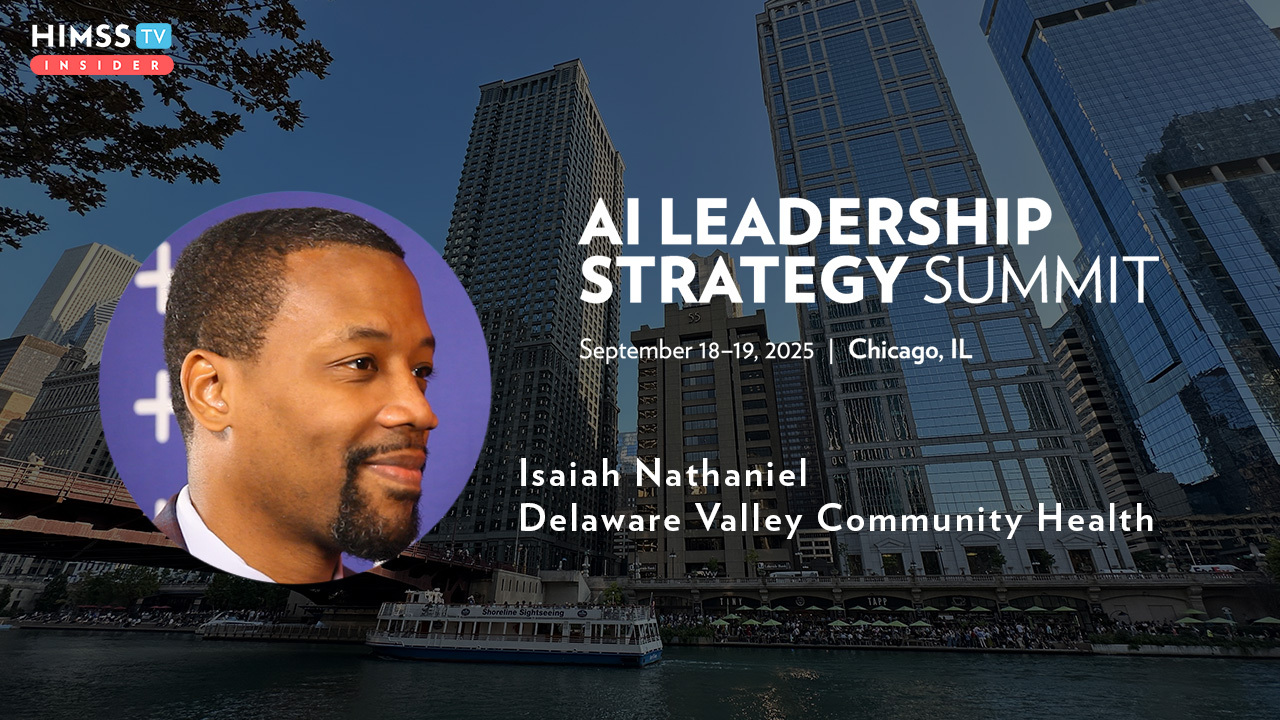
The community health system is moving beyond early wins with revenue cycle and operations, and is now looking at clinical applications such as ambient listening, agentic AI and robotic process automation, says CIO Isaiah Nathaniel.
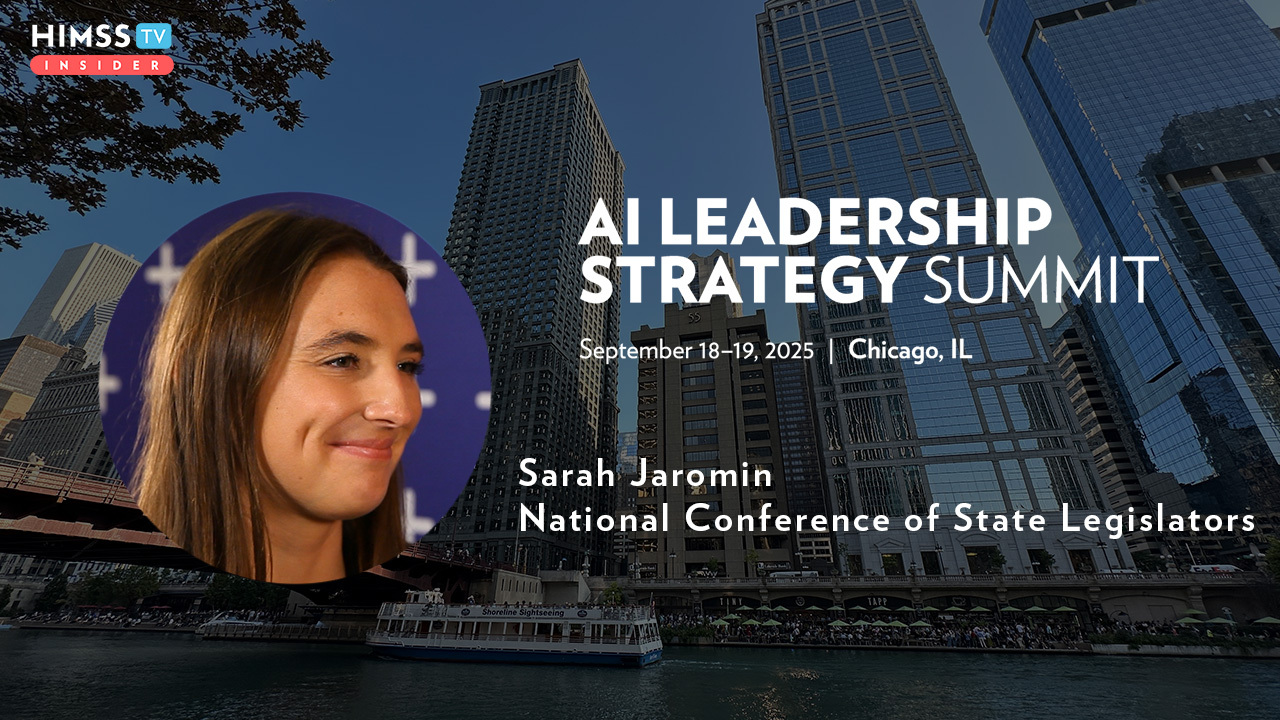
States are shaping the future of responsible AI policy with about 200 bills focused on healthcare AI use, according to the National Conference of State Legislatures' Sarah Jaromin.
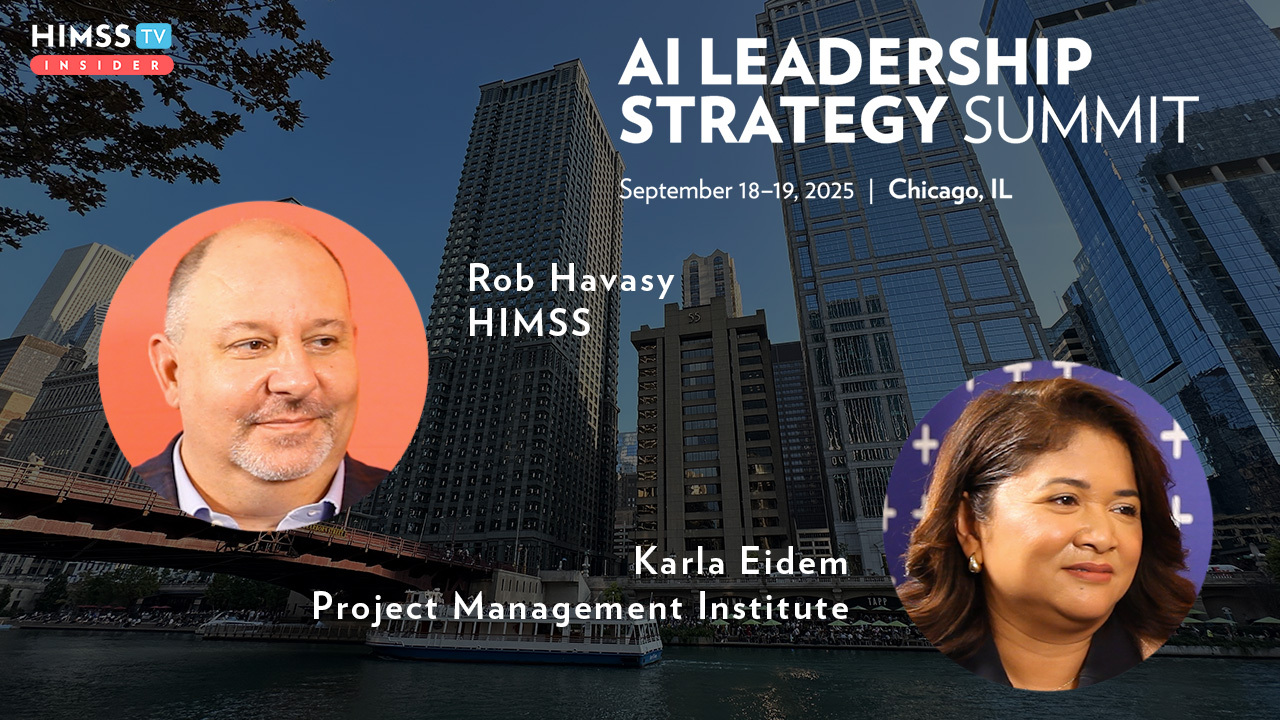
HIMSS' Rob Havasy and PMI's Karla Eidem stress that healthcare organizations need to ensure that strong data governance and clearly defined objectives are in place before building AI tools.
Chief AI officers share similarities to the C-suite role that gained favor in the early EHR days. Both need to demystify technical terms and partner with diverse stakeholders, says Christopher Kunney, partner at IOTech Consulting.
Ensemble's Jim Gaffney says the company’s AI tools for clinical reasoning, variance analysis and denial prevention can help health systems drive sustainable financial outcomes and enhance the patient experience.
Dr. Srinivasan Suresh of UPMC Children's Hospital says the hospital tailors its use of custom-built and vendor AI tools to clinicians' actual problems, with multidisciplinary oversight to help protect vulnerable patients.
Dr. Everett Weiss, medical director for health informatics at Rochester Regional Health, says it's key to ask: "Why are we using this technology? How is it helping everyone work at the top of their license? And how is it good for patients?"
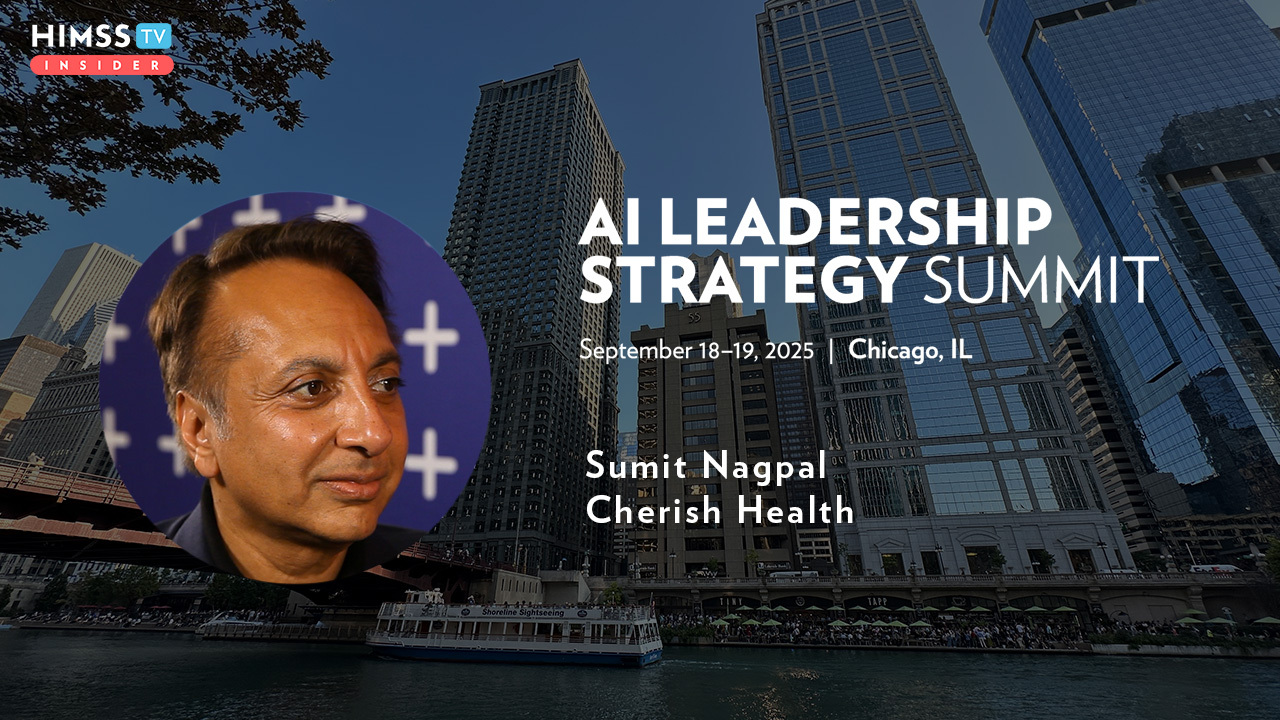
Sumit Nagpal, Cherish Health founder and CEO, says the company's radar-powered device assesses residents' health and safety with AI and automatically alerts family and a security center in case of emergency.
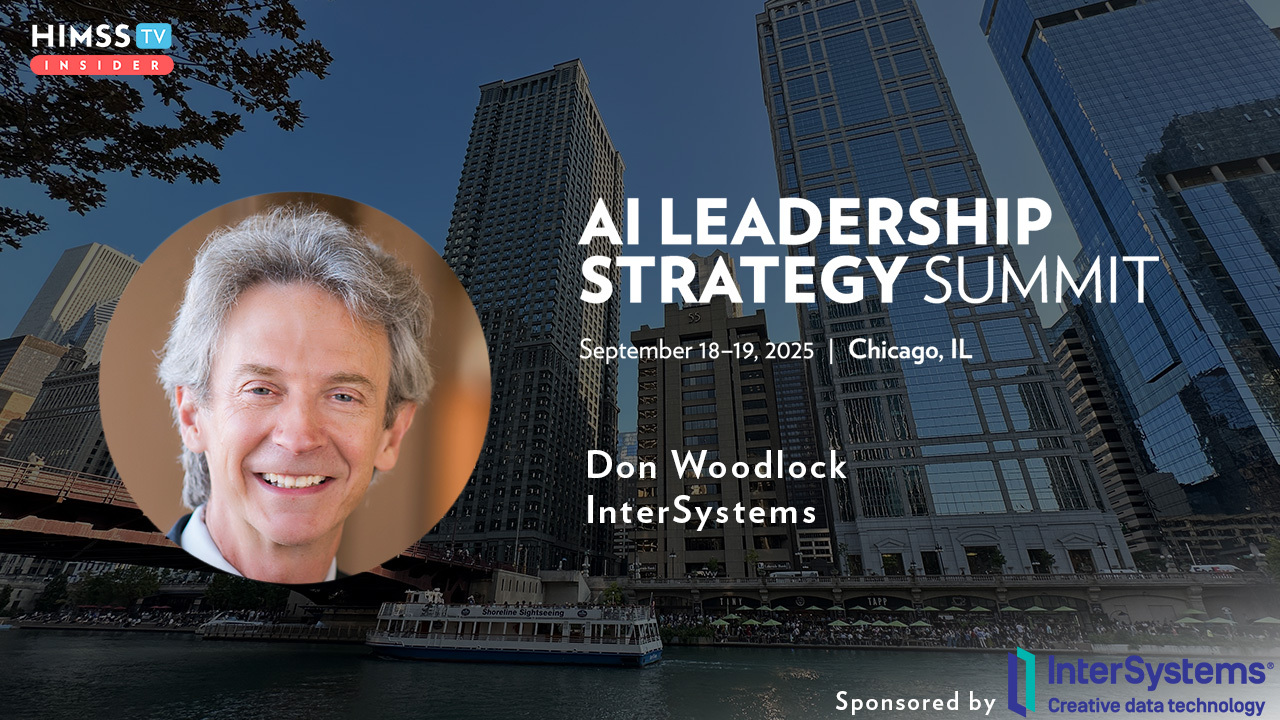
Don Woodlock with InterSystems stresses that AI must be linked to interoperable systems and patient data to deliver real impact. Aligning an organization's AI goals with interoperability mandates is key to practical AI deployment.
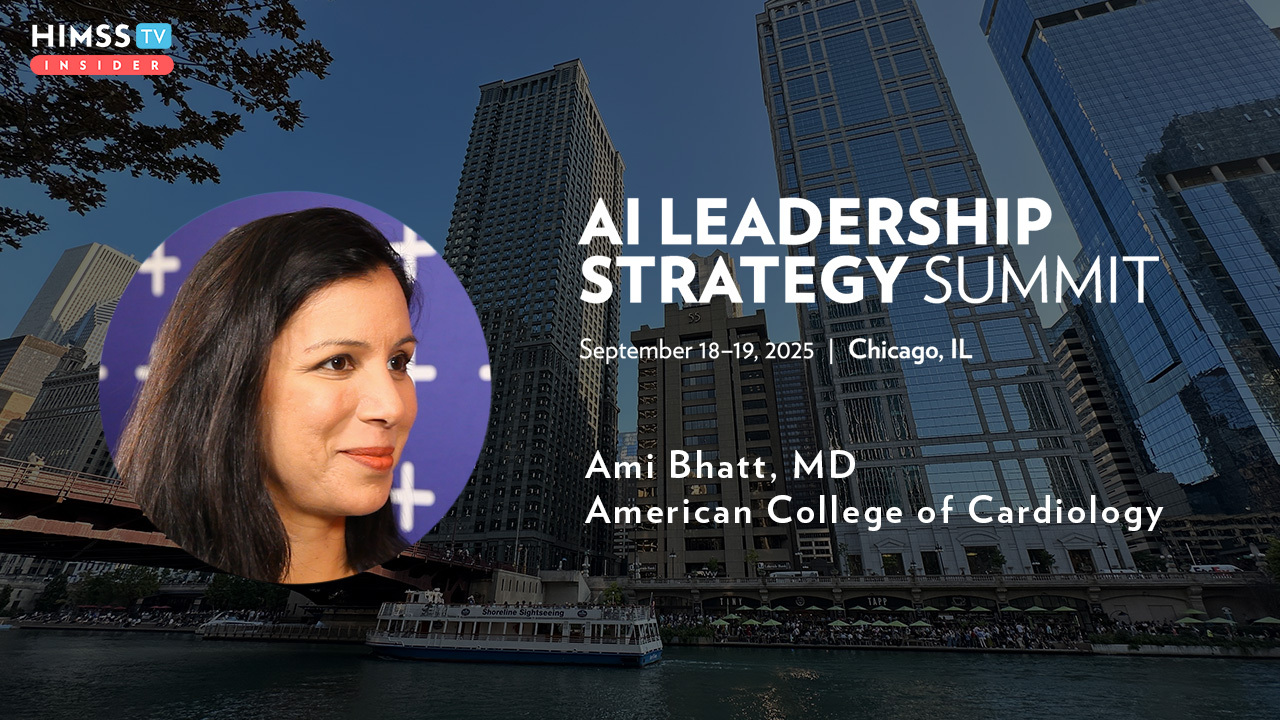
It should be "always adjunctive" to clinical processes, says Dr. Ami Bhatt, chief innovation officer at the American College of Cardiology, who sees big things for decision support, patient triage, safer nuclear imaging, patient engagement and more.

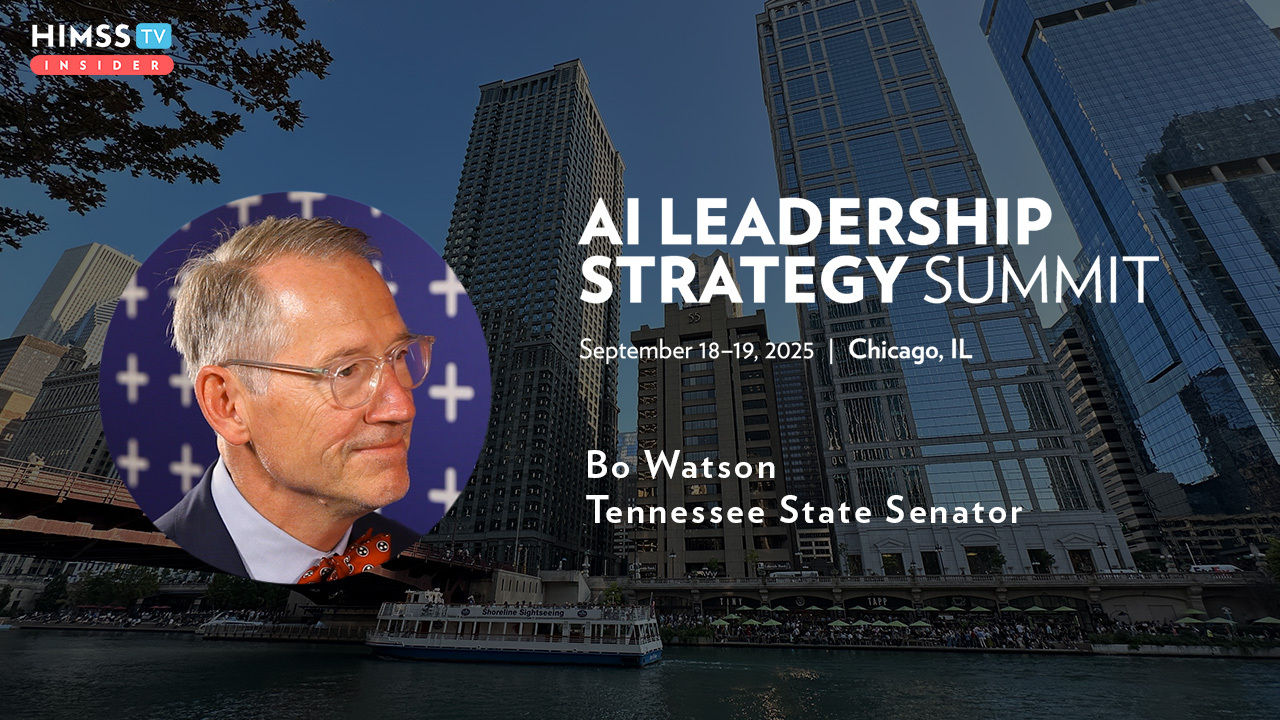
Tennessee State Sen. Bo Watson says that states, not the federal government, are driving AI regulation with constituents in mind to balance supporting innovation with guarding the public trust.
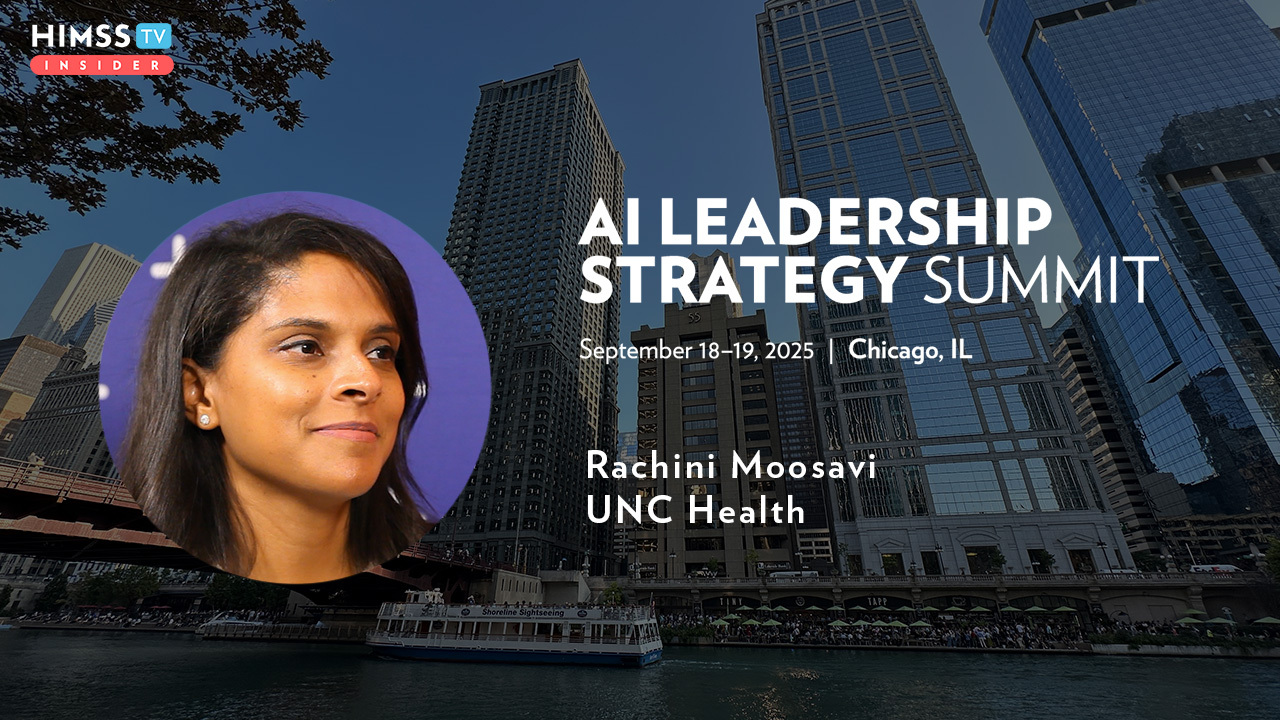
Rachini Moosavi, chief analytics officer at UNC Health, explains how the provider system is moving beyond genAI to find success with RPA, agents and ambient listening. She explains why it convenes dedicated teams to help with AI enablement efforts.