HIMSS TV is your Insider’s Guide to everything HIMSS. We are the world’s first online broadcasting network, focused on global innovation and how information and technology are driving change in healthcare.
Nicole Ramage, HIMSS' senior global market insights manager, says her department's focus is expanding to help healthcare leaders better understand AI adoption, market trends and regional differences across North America, EMEA and APAC.

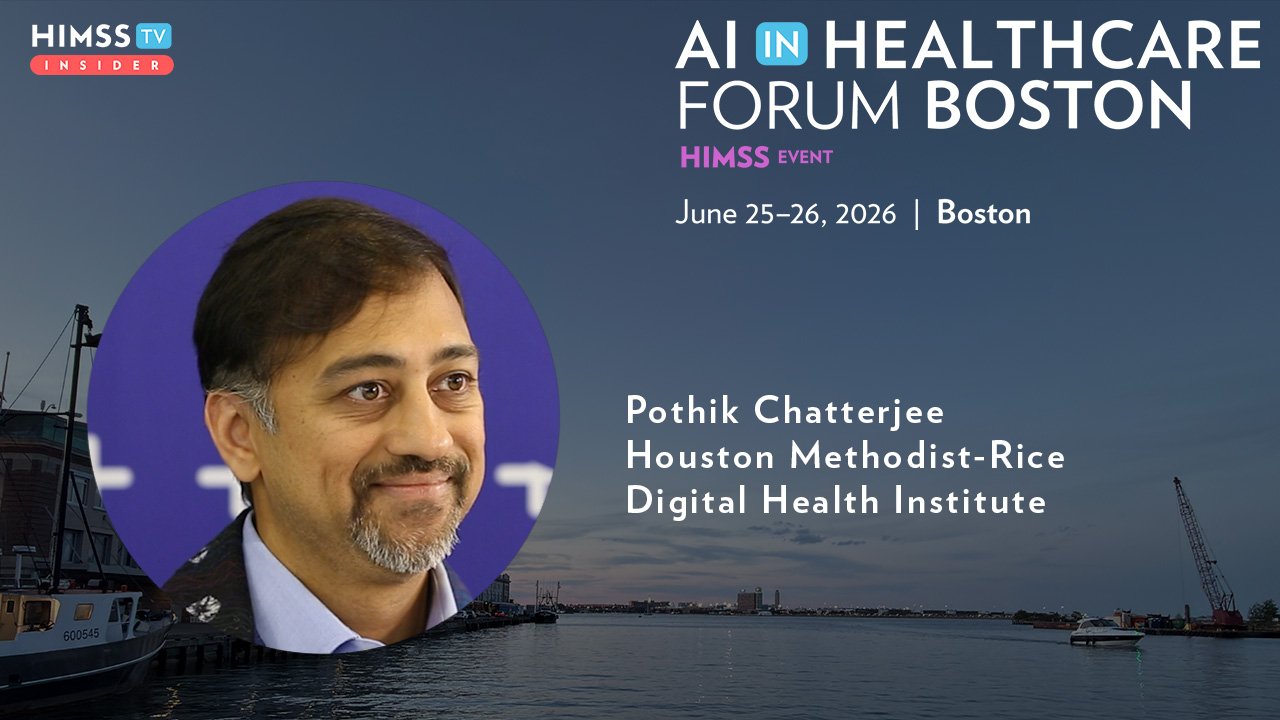
Pothik Chatterjee says Houston Methodist & Rice University's Digital Health Institute combines AI algorithms with data from disparate sources including clinical images to uncover patterns that can inform patient care.
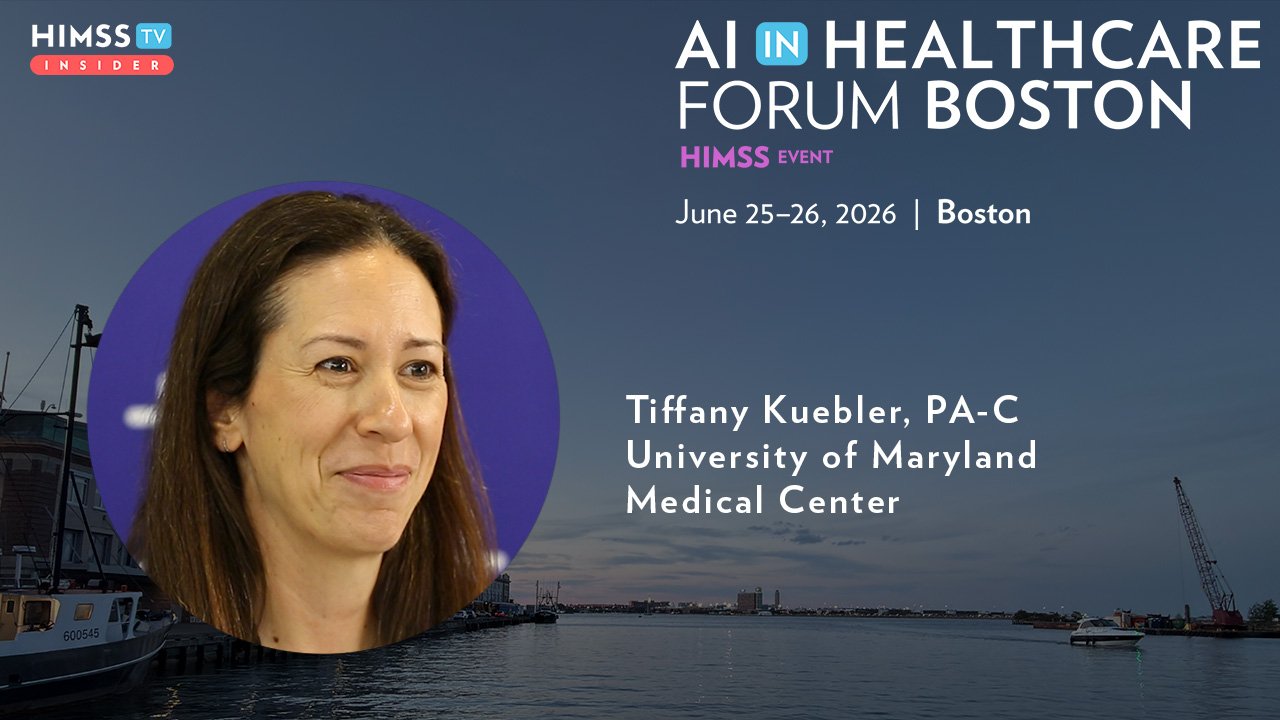
The University of Maryland Medical Center's Tiffany Kuebler urges healthcare leaders to begin AI implementation with workflows that are technologically ready for it and that will deliver the most operational value.
Mayo Clinic's Dr. Alexander Ryu says AI models trained on genomic data may be able to predict disease or recommend treatments, but researchers must first understand how these models work to ensure their trustworthiness.
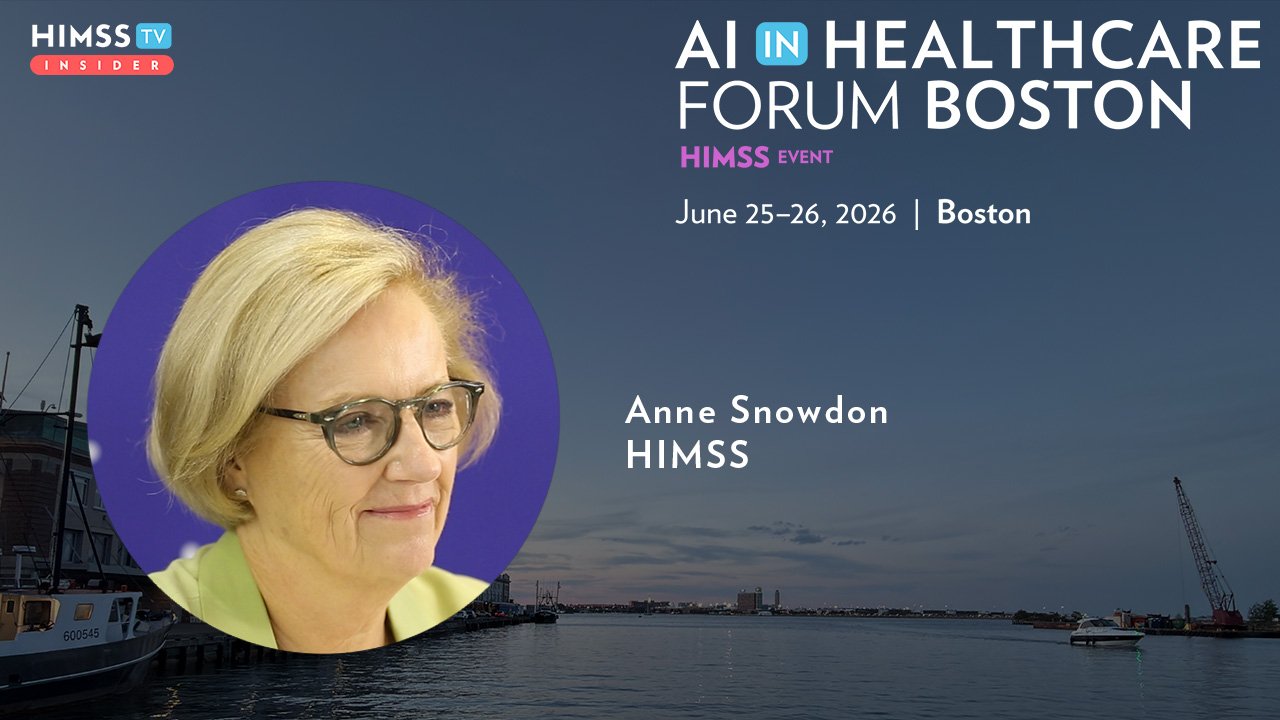
As AI technology becomes more widely accepted, Anne Snowdon, HIMSS' chief scientific research officer, says healthcare leaders increasingly demand proof that AI tools can solve their specific challenges in measurable ways.
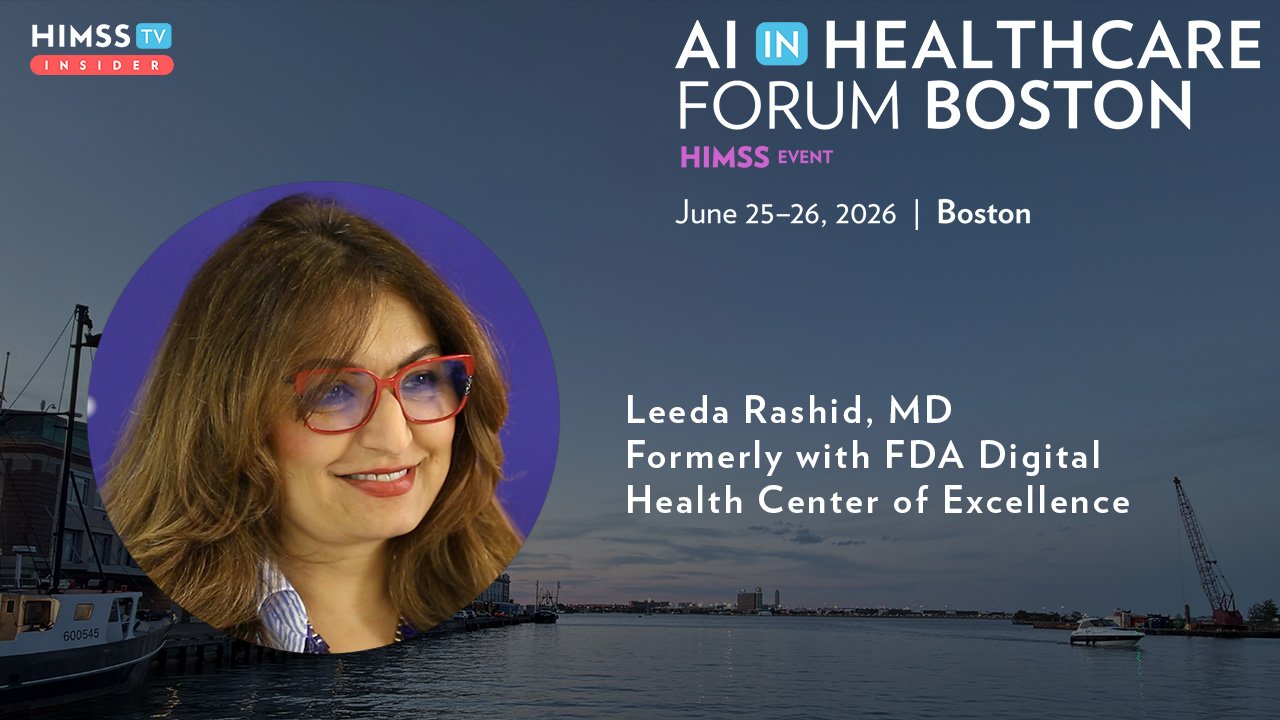
Dr. Leeda Rashid, formerly of the FDA Digital Health Center of Excellence, recommends that the federal government develop enforceable governance frameworks with oversight and accountability that cover AI tools' full lifecycles.
Eric Poon, Duke University Health System CHIO, says the system has gone from being drawn to trendy AI tools to ensuring that AI investments align with its organizational priorities.
Eric Alper, SVP and chief quality officer at UMass Memorial Health, says the hospital has deployed 40 AI models despite limited resources, prioritizing use cases that improve care delivery, efficiency and financial sustainability.
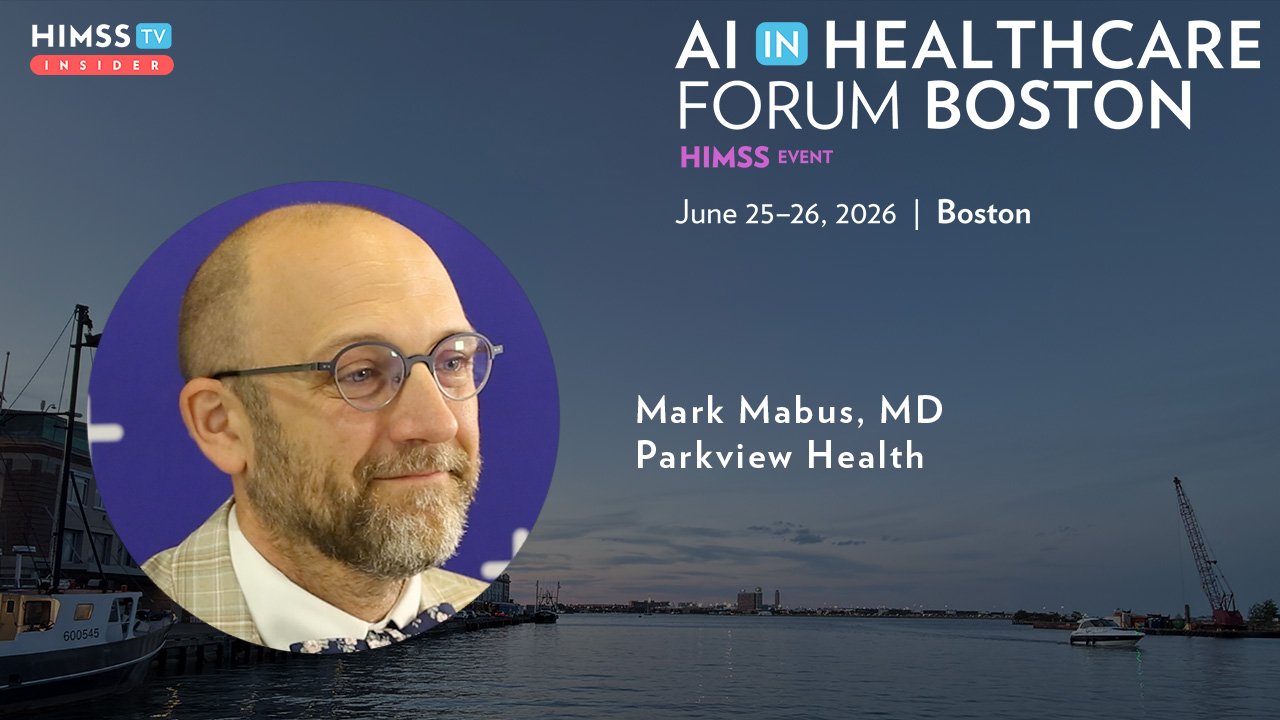
Mark Mabus, CMIO and SVP of EHR at Parkview Health, says the organization is leveraging Epic's built-in generative AI capabilities before considering third-party solutions to maximize value and simplify implementation.
Katie Prevas, Suki AI's medical director, says ambient AI tools can do more than compile visit notes, including preparing patient summaries, understanding clinical context and improving coding to reduce claim denials.
Michelle Stansbury, associate chief innovation officer at Houston Methodist, talks about how the hospital has built a more engaging patient experience, from scheduling to interactive bedside technology to post-discharge texting.
Nick Yaitsky, chief AI officer at Lulav AI, says that AI is present in many healthcare technologies, so organizations must shift their conversations from whether to adopt AI to how they can best use it to improve patient care.