HIMSS TV is your Insider’s Guide to everything HIMSS. We are the world’s first online broadcasting network, focused on global innovation and how information and technology are driving change in healthcare.
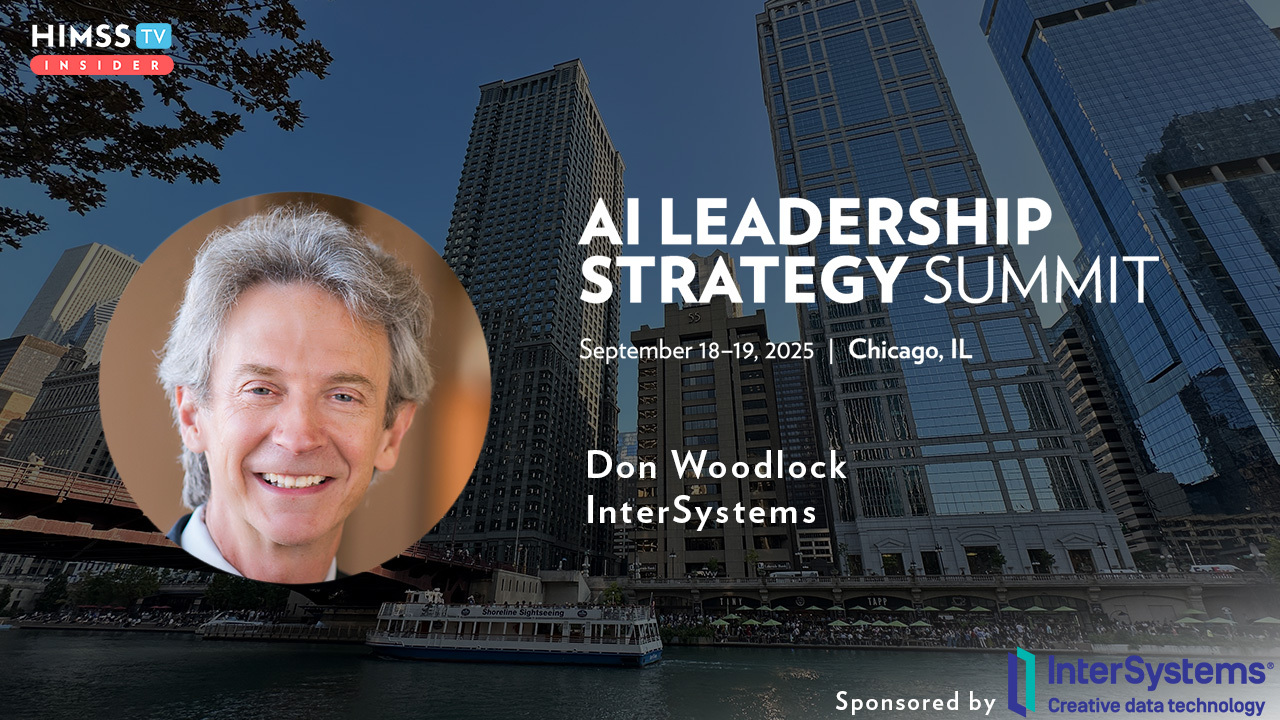
Don Woodlock with InterSystems stresses that AI must be linked to interoperable systems and patient data to deliver real impact. Aligning an organization's AI goals with interoperability mandates is key to practical AI deployment.
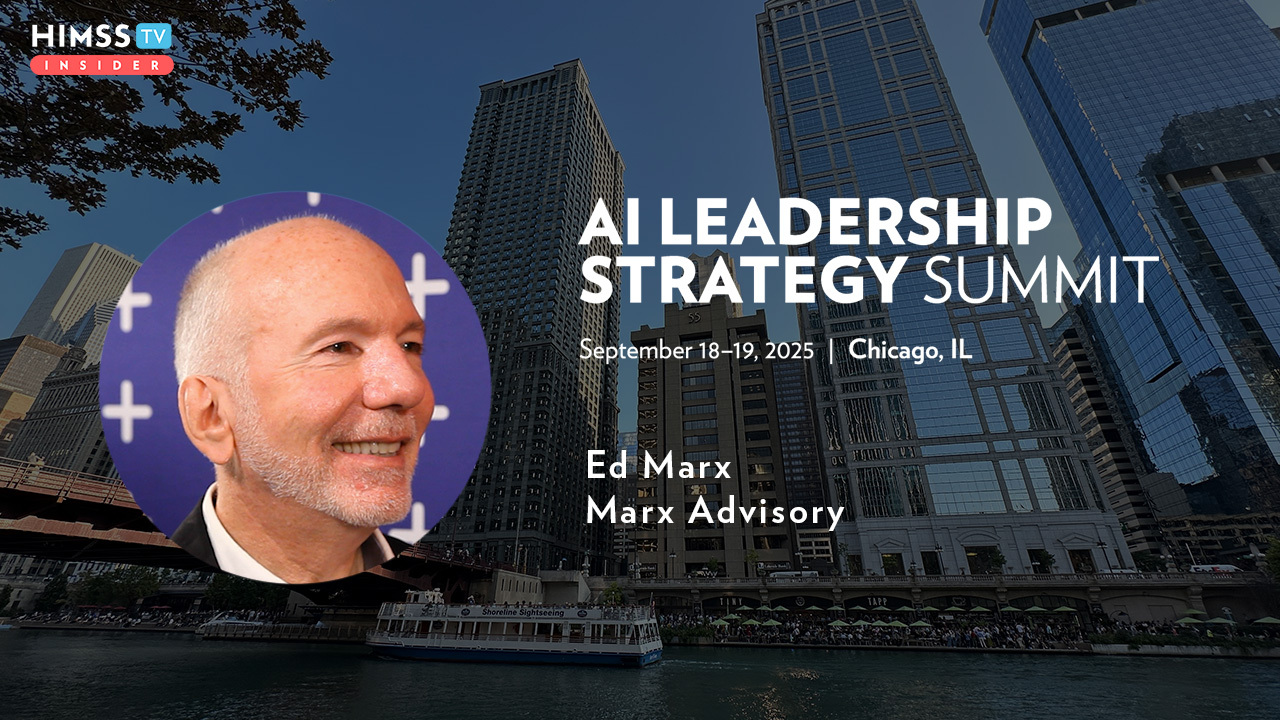
Ed Marx, longtime healthcare CIO, explains that with more patients using artificial intelligence on their own to help with self-diagnosis, treatment and more, health systems that don't offer innovative new services could see revenue erode.
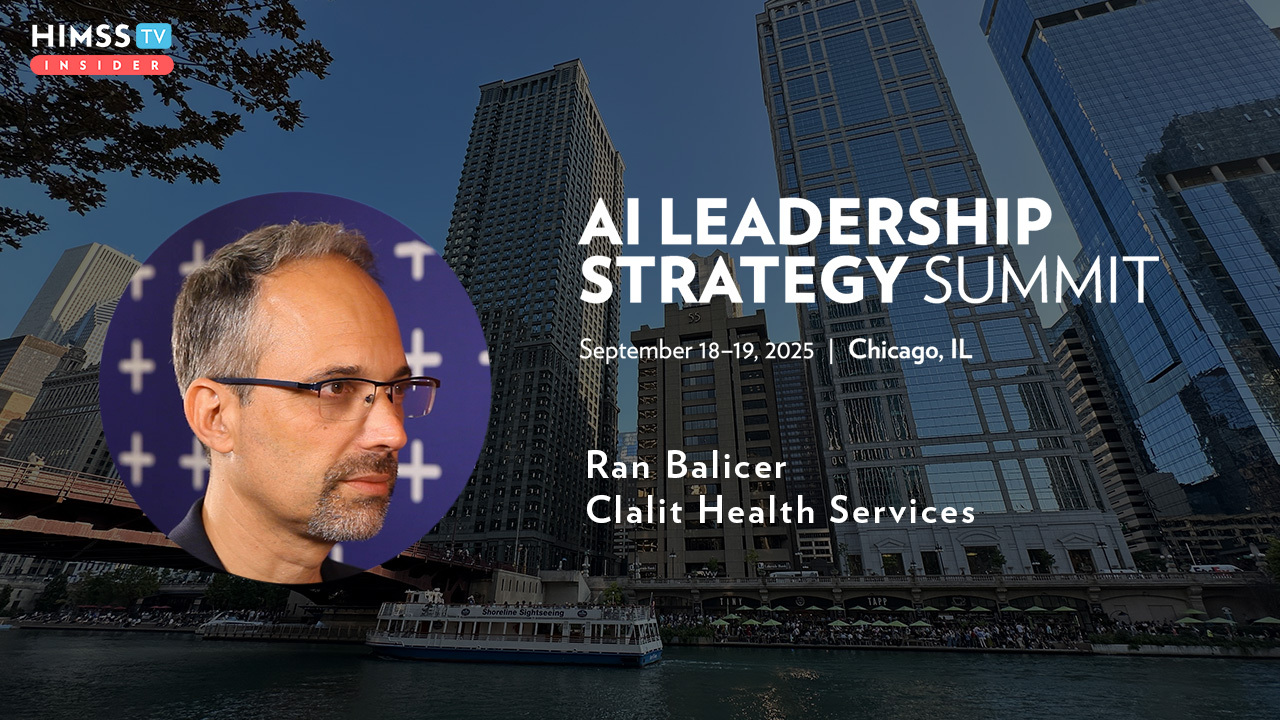
Ran Balicer of Israel's Clalit Health Services explains why reality has not caught up to AI's promise: scaling pilots requires leadership support, clinician buy-in, cybersecurity measures and strategic alignment.
HIMSS AI Leadership Summit attendees talk about the unique conversations held there regarding the successes and challenges involved in deploying healthcare AI technology.
HIMSS digital health strategist Jill Seys talks about how successful AI adoption starts with choosing leaders who will champion the technology and engage their frontline teams to use the tools and provide feedback.
Look at the business value around the AI solution, the feasibility to build as it relates to data and adoption and thirdly, having the right skills and team, says Rosha Pokharel, CEO and founder of SolvDat.
Kerri Webster, chief analytics officer at Children's Hospital Colorado, says the health system is looking to move beyond genAI and LLMs while ensuring new models are "safe, secure, ethical and unbiased."
Focused on the healthcare C-suite, the inaugural forum found attendees pursuing different projects and are at different stages of artificial intelligence maturity. But all seek to maximize their AI investments for true enterprise-wide value.
HIMSS CEO Hal Wolf, at the HIMSS AI Leadership Strategy Summit in Chicago, describes some use cases, existing and emerging, that he's excited about. Change is on the horizon, and its time to start planning for it, he says.

Nabla CEO Alex LeBrun says the company's AI tool, which blends ambient AI with dictation, integrates with multiple EHRs to prepare documentation and can perform other intelligent actions according to clinicians' needs.
Using a point solution to scale artificial intelligence may not be effective when dealing "with every possible disease, patient or service line," and relying on one LLM could be too rigid for future coding, says Pelu Tran, Ferrum Health CEO.
The Health AI Partnership is offering technical assistance to help FQHCs and community hospitals bridge the digital divide, says Dr. Mark Sendak, population health & data science lead at the Duke Institute for Health Innovation.