HIMSS TV is your Insider’s Guide to everything HIMSS. We are the world’s first online broadcasting network, focused on global innovation and how information and technology are driving change in healthcare.
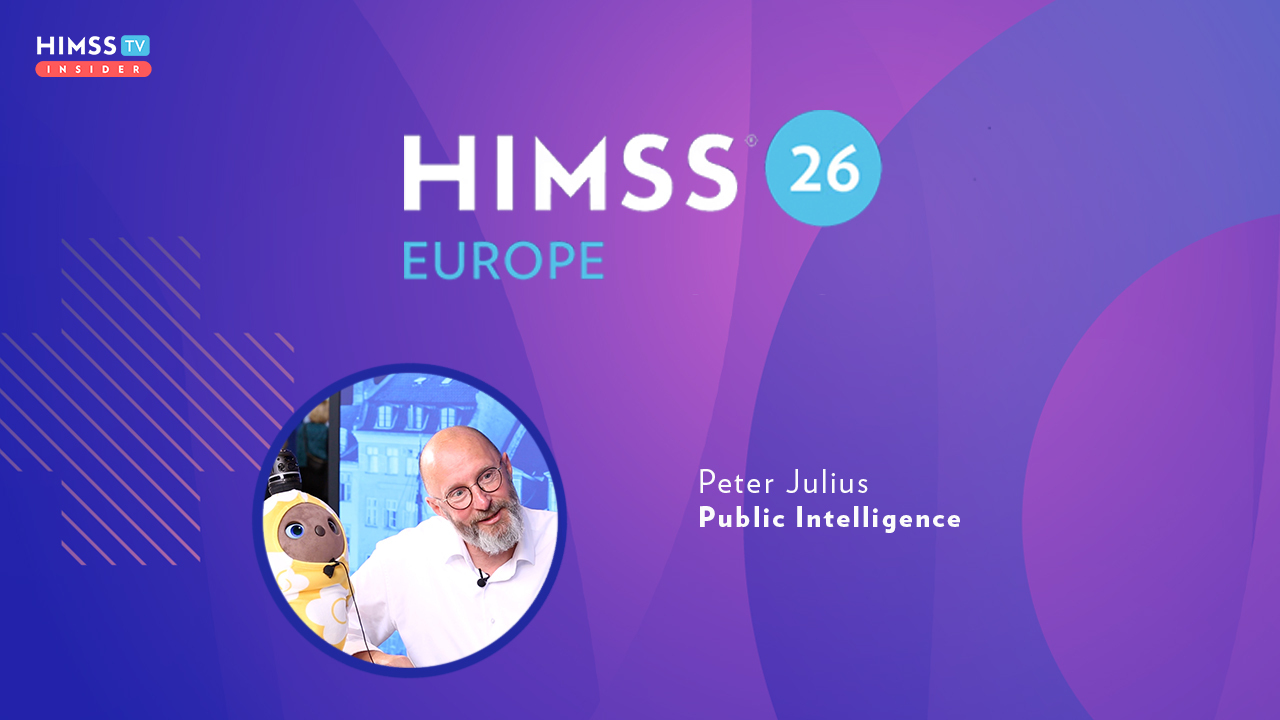
As health systems face staffing pressures, Peter Julius, Public Intelligence CEO and partner, suggests that emotionally responsive robots like Hana-chan can provide social engagement and calm patient agitation in care settings.
Oscar Solans Fernandez of Catalonia's Ministry of Health says the ministry has created an AI-powered healthcare platform that includes clinical guidelines and a medication database to help AI agents provide accurate answers.
Kevin Day, Rhapsody CTO, shares lessons from building a healthcare AI agentic harness, including how organizations can decide whether to build or buy, as well as how to maintain agility and embed governance into AI initiatives.

Don Woodlock, InterSystems president and host of the "Code to Care" video series, recommends that healthcare leaders carve out at least an hour a week to learn about and build practical familiarity with emerging technologies.
Katie Prevas, Suki AI's medical director, says ambient AI tools can do more than compile visit notes, including preparing patient summaries, understanding clinical context and improving coding to reduce claim denials.
By building AI tools in-house, health systems can directly address their unique challenges with tailored products rather than depending on vendors, according to Lina Scroggins, Mercy's chief product officer.
Hal Wolf, HIMSS president and CEO, says that, while many healthcare leaders are eager to use AI, questions remain about how to ensure its outputs are accurate and how to build clinicians' and patients' trust in AI tools.
Hal Wolf, HIMSS president and CEO, says that hospitals and medical practices are turning to AI first to help with areas such as clinical documentation and supply chain management before considering applying it to care delivery.
HIMSS AI in Healthcare Forum attendees in Boston shared ideas on how to develop and scale AI across real-world clinical and operational settings while benefiting patients, clinicians and staff.
Mass General Brigham is using AI tool RECTIFIER to identify clinical trial participants, which can help accelerate the discovery of new treatments, says Dr. Alexander "AJ" Blood, cardiologist at Brigham and Women's Hospital.
With ongoing Ebola outbreaks in the Democratic Republic of Congo and Uganda, Ian Shakil, chief strategy officer at Commure, discusses the potential role of ambient AI documentation in infectious disease surveillance and outbreak response.
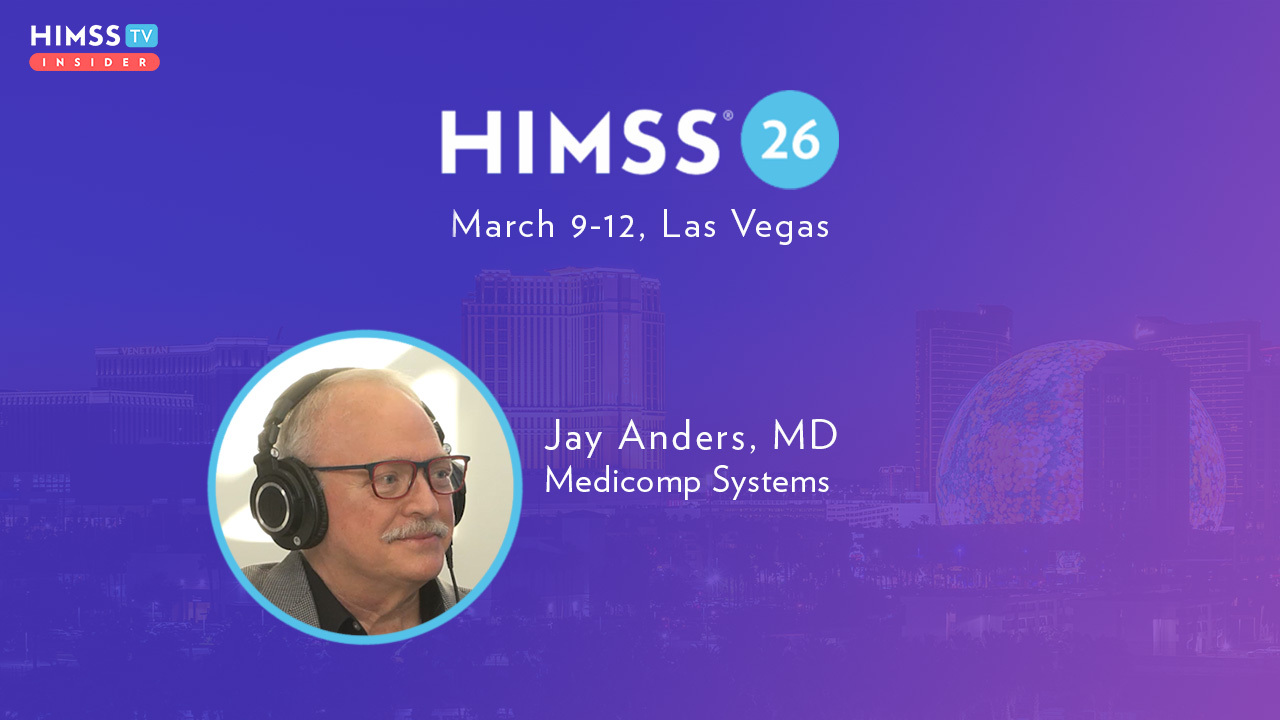
Jay Anders, Medicomp CMO, cautions that clinicians are concerned about AI tools' hallucinations and inconsistent outputs, so more governance and stronger guardrails are needed to get their buy-in.