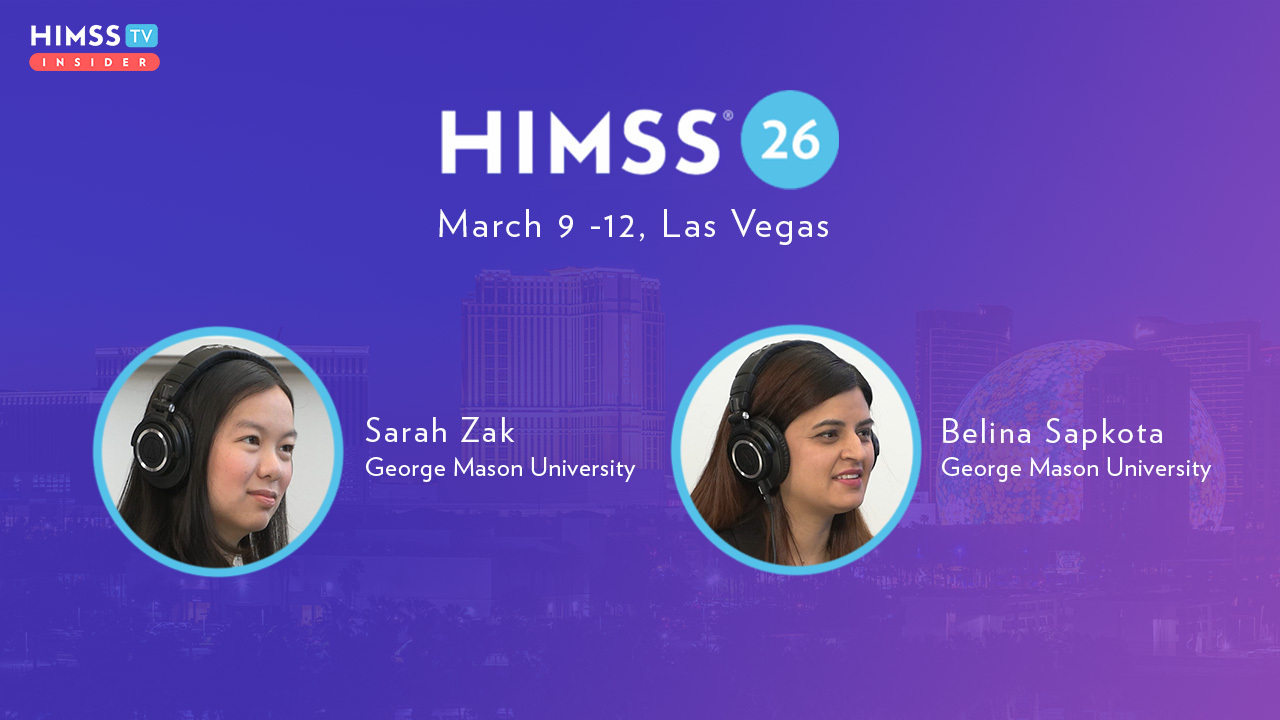
Data shows that 700 of 1,800 rural U.S. hospitals are at financial risk, with 300 facing possible closure within three years, according to Belina Sapkota and Sarah Zak, NHIT INSPIRED interns.
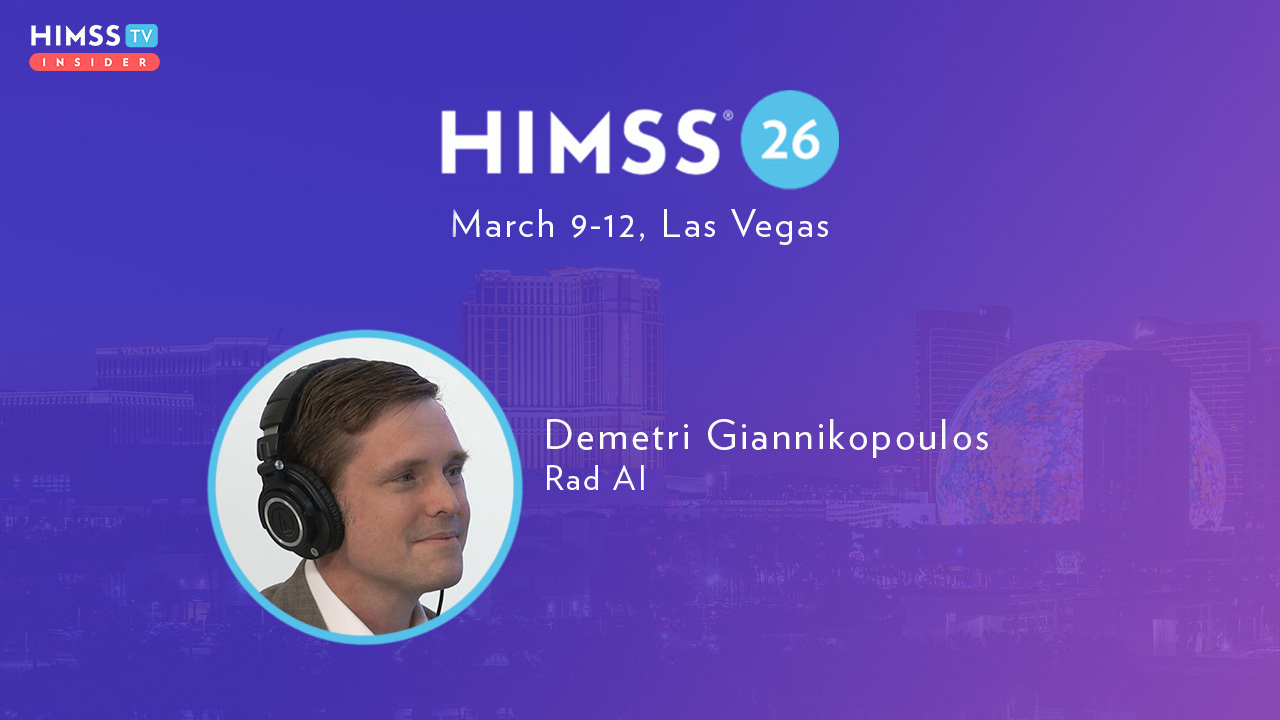
Policymakers seek to understand healthcare's AI applications so they can create guardrails that protect patients without stifling new technology developments, says Demetri Giannikopoulos, Rad AI CIO.
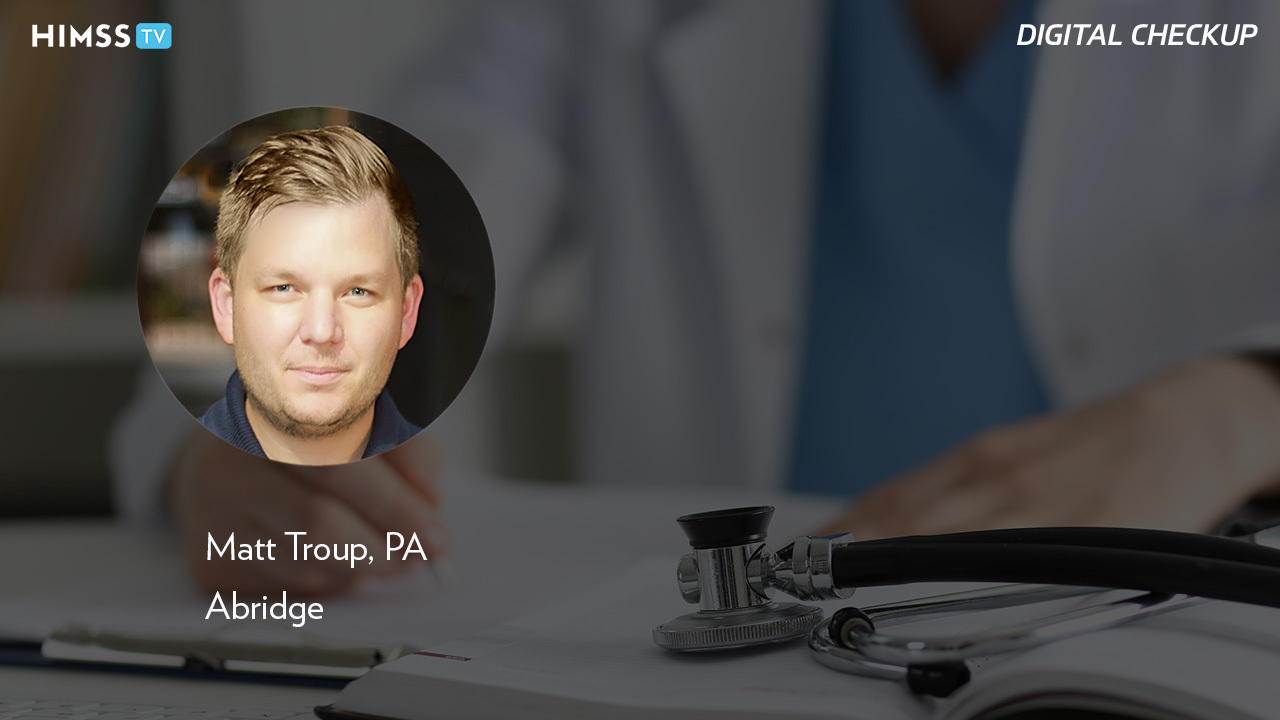
Physicians have access to evidence-based guidance in the room as the conversation unfolds through a new partnership between Abridge and NEJM and JAMA, says Abridge Clinical Strategy Director Matt Troup, PA.
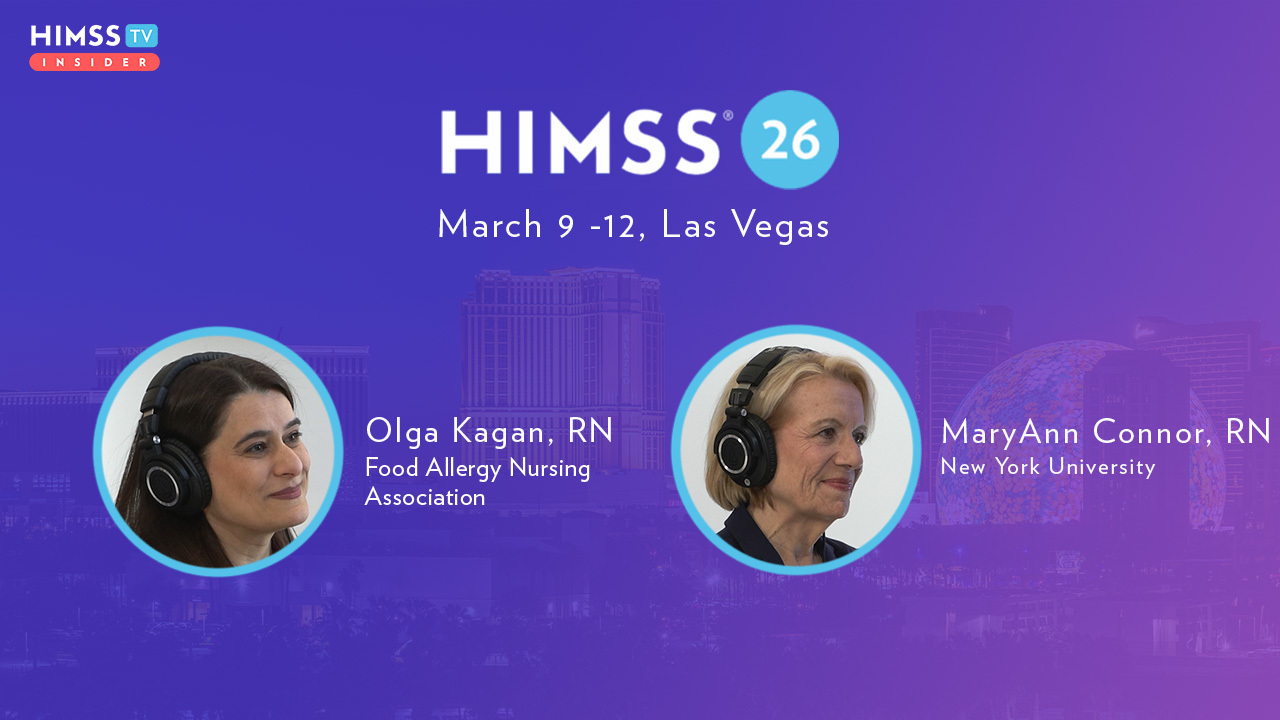
Before they enter the workforce, nursing students should be competent with AI tools in the clinical setting, say MaryAnn Connor, RN, NYU adjunct informatics professor, and Olga Kagan, FANA CEO.
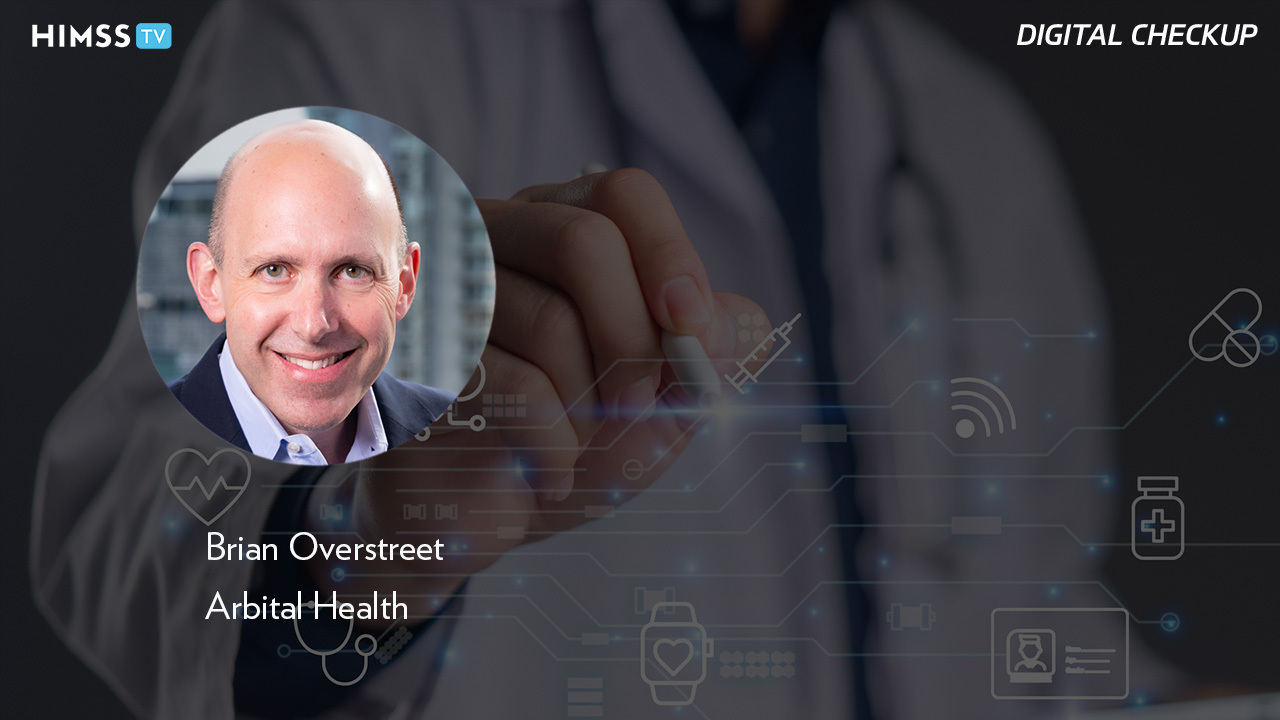
Matching financial incentives to patient outcomes is necessary to getting away from fee-for-service, says Brian Overstreet, CEO of Arbital Health.
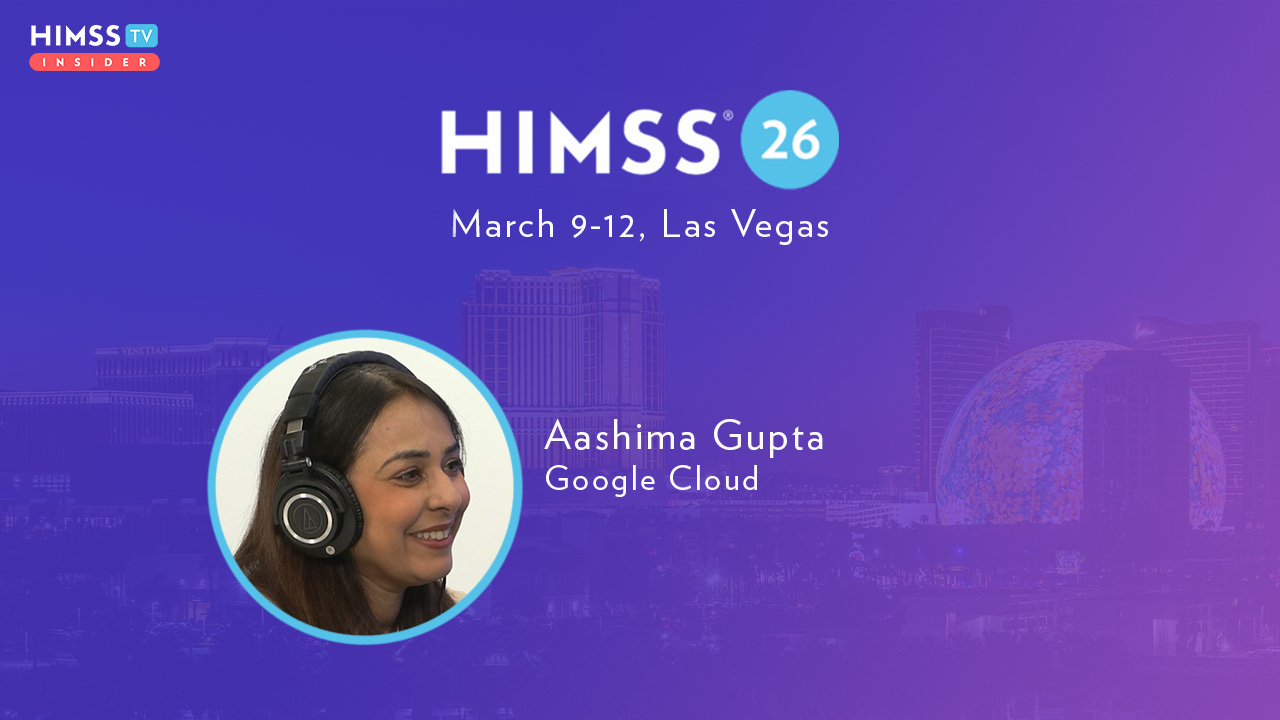
Aashima Gupta, Google's global director for healthcare solutions, says that generative and agentic AI can work together to solve healthcare's pain points by preparing documentation and assisting in call centers.
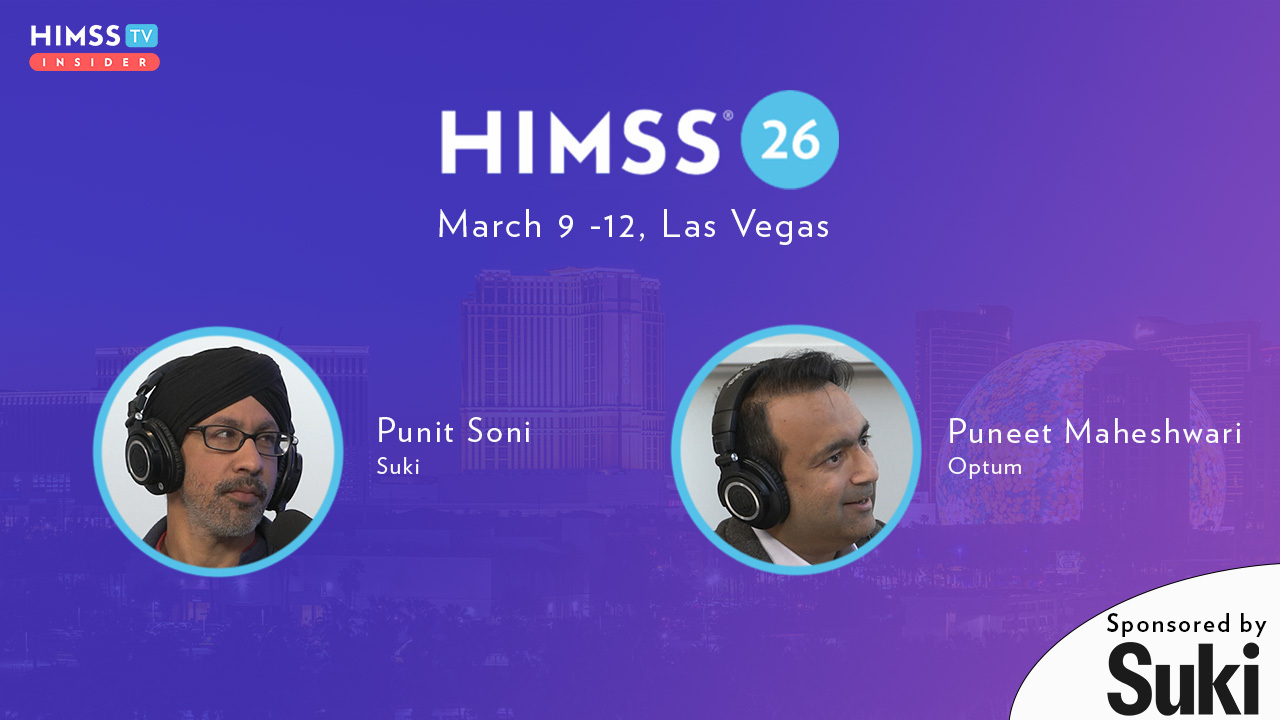
Suki CEO Punit Soni and Puneet Maheshwari, Optum Real senior vice president, discuss how AI is helping their companies bridge the gap between payers and providers and make revenue cycle management more efficient.
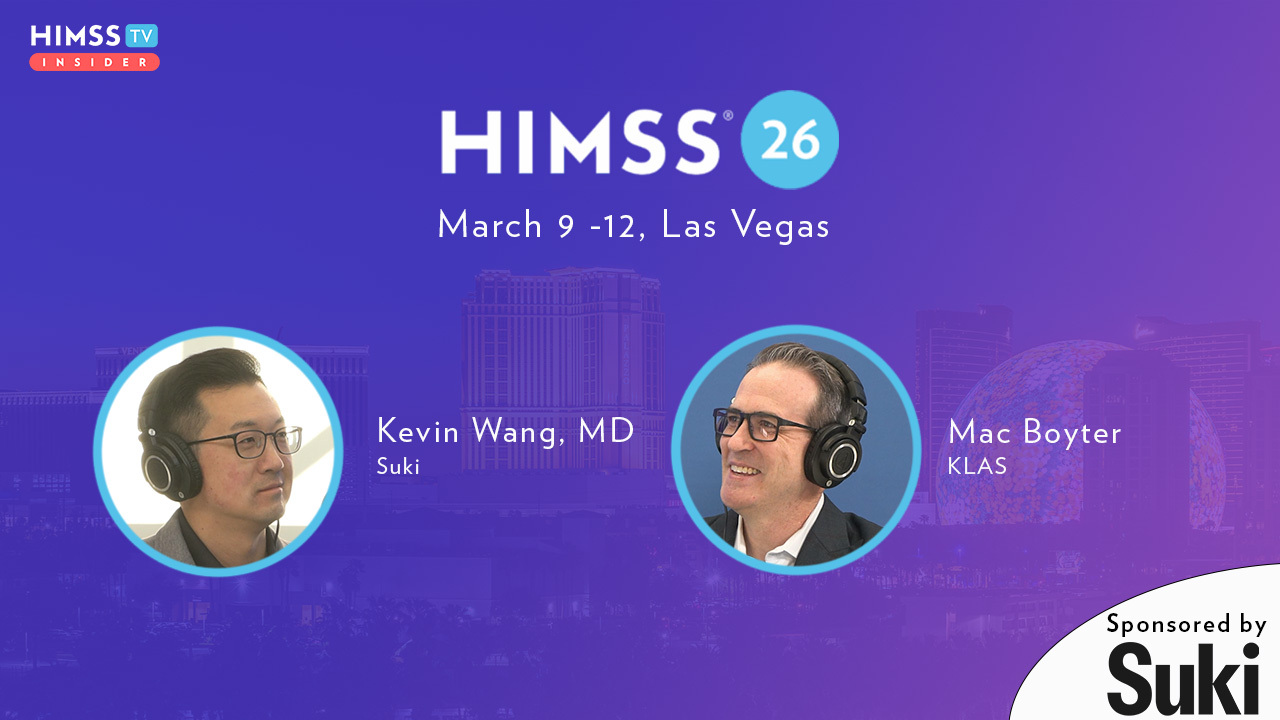
KLAS' Mac Boyter and Suki CMO Kevin Wang discuss KLAS ROI validation reports quantifying the value ambient AI clinical documentation tools can provide, including one client's average $1K revenue gain per provider per month.
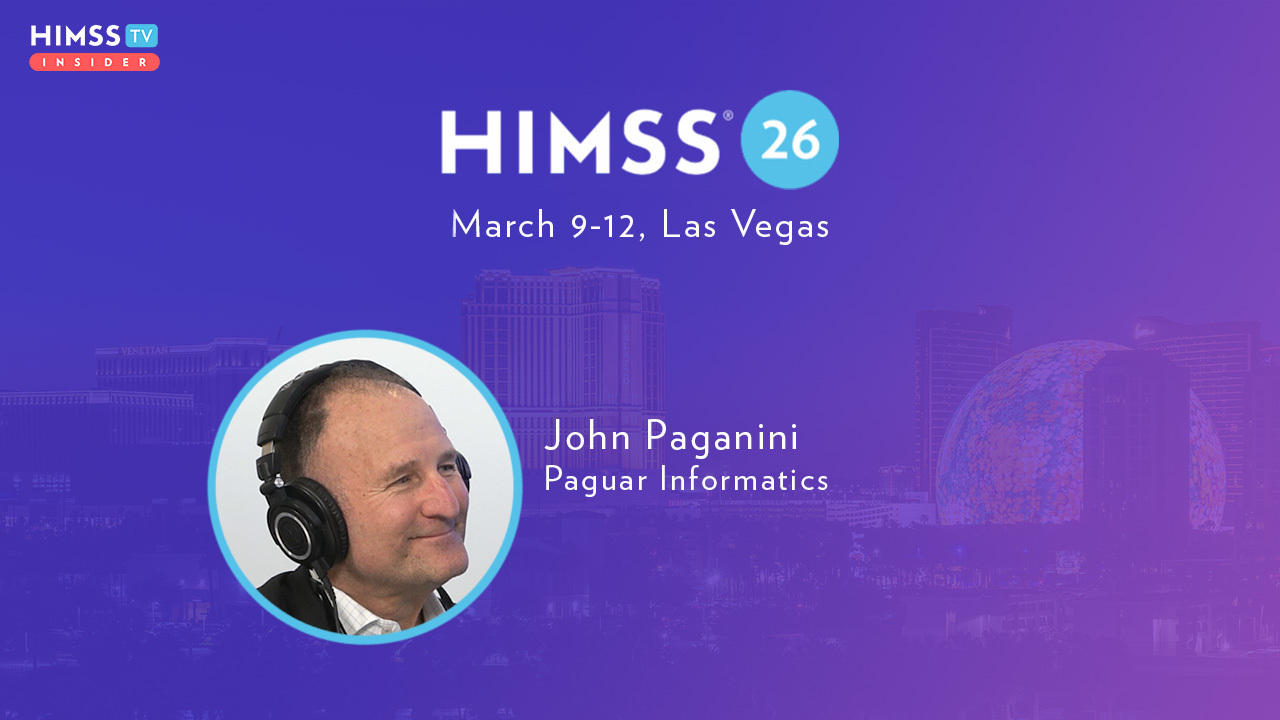
Since its inception two years ago, Changemaker honoree John Paganini says the Northern Ohio HIMSS AI Center of Excellence's diverse roster of members is working to advance healthcare AI in the region.
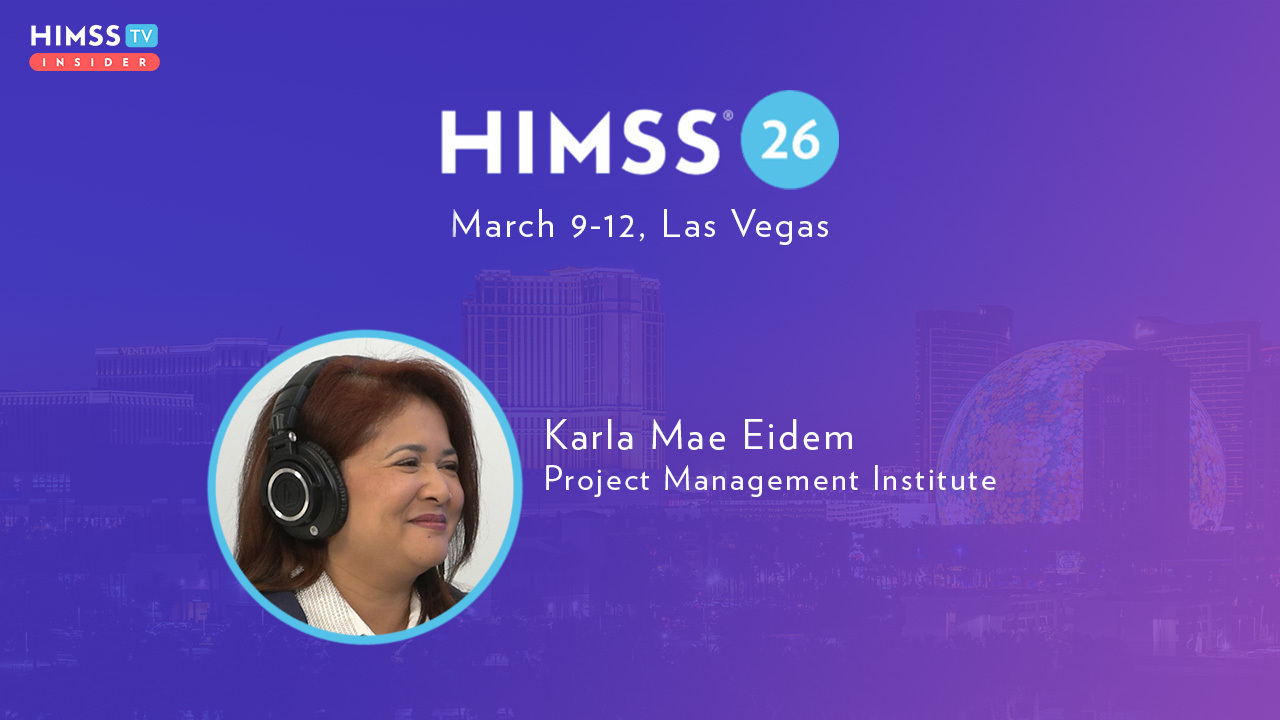
While agentic AI can surface important insights from volumes of data, project professionals have the skills to provide the structure and clarity teams need, says Karla Mae Eidem of the Project Management Institute.
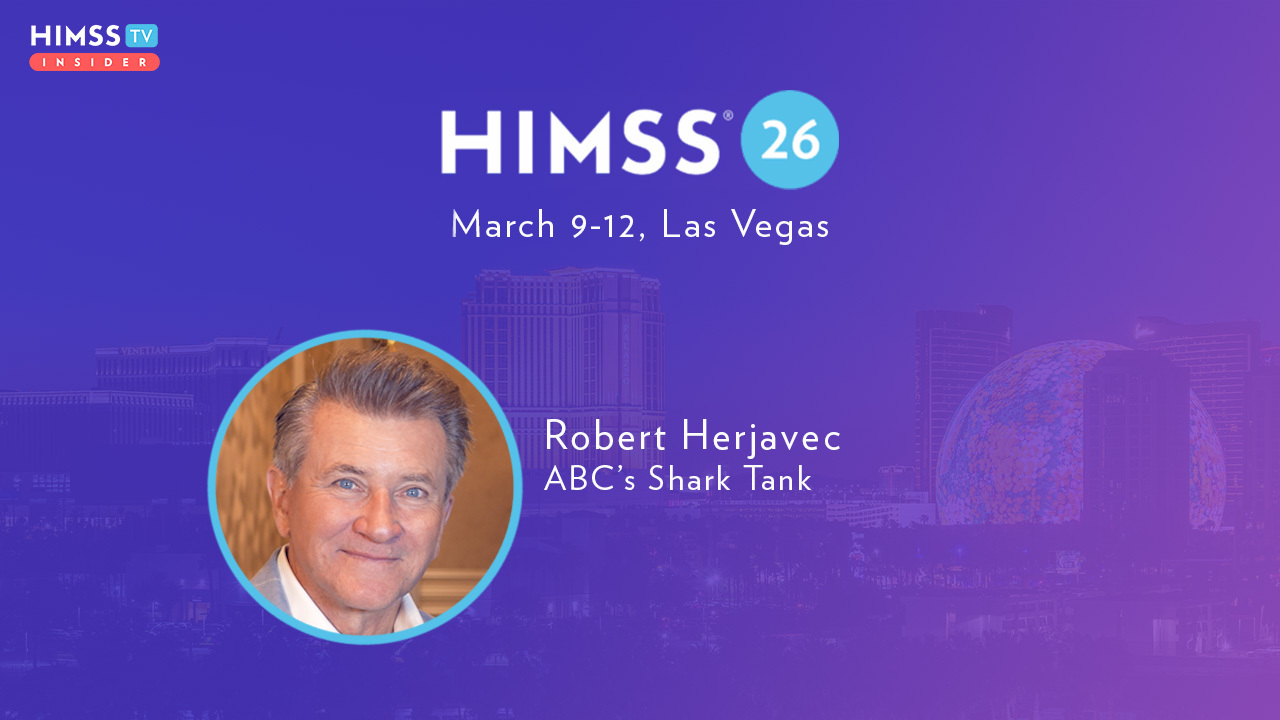
Robert Herjavec, entrepreneur and "Shark Tank" star, says that as cyberthreats accelerate, he remains optimistic that AI-powered security tools can help organizations detect and block intrusions as quickly as they're launched.
Davies Award winner Ontario Shores Centre for Mental Health Sciences is piloting AI tools to streamline referral management and triage, boosting patients' access to care. The health system's Vincci Tang and Dr. Phil Klassen explain.