HIMSS TV is your Insider’s Guide to everything HIMSS. We are the world’s first online broadcasting network, focused on global innovation and how information and technology are driving change in healthcare.
Provider frustration over prior authorization is real but doesn't tell the whole story of the patient journey, says Brian Smith, chief pharmacy officer at Shields Health Solutions.
Physicians have access to evidence-based guidance in the room as the conversation unfolds through a new partnership between Abridge and NEJM and JAMA, says Abridge Clinical Strategy Director Matt Troup, PA.
There's a back and forth between providers and payers due to misaligned incentives, says Lalithya Yerramilli, SVP of Payment Solutions for Cohere Health.
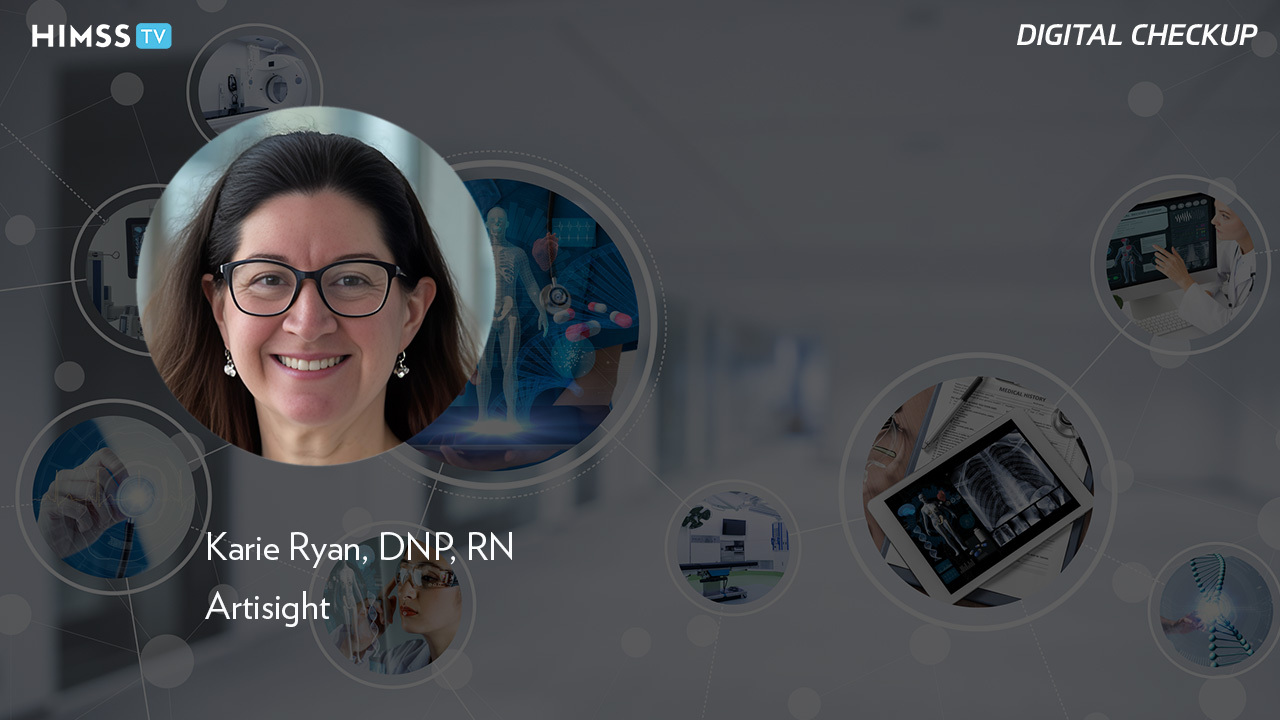
Karie Ryan, chief nursing officer at Artisight, discusses the company's AI ambient intelligence offerings that combine audio and video, sensors and computer vision to create a smart hospital room for patient safety and workflow efficiency.
Josh Wilda, University of Iowa Health Care's AVP for information systems and CIDO, says that healthcare organizations can maximize TEFCA access to streamline and improve data exchange costs.
Matching financial incentives to patient outcomes is necessary to getting away from fee-for-service, says Brian Overstreet, CEO of Arbital Health.
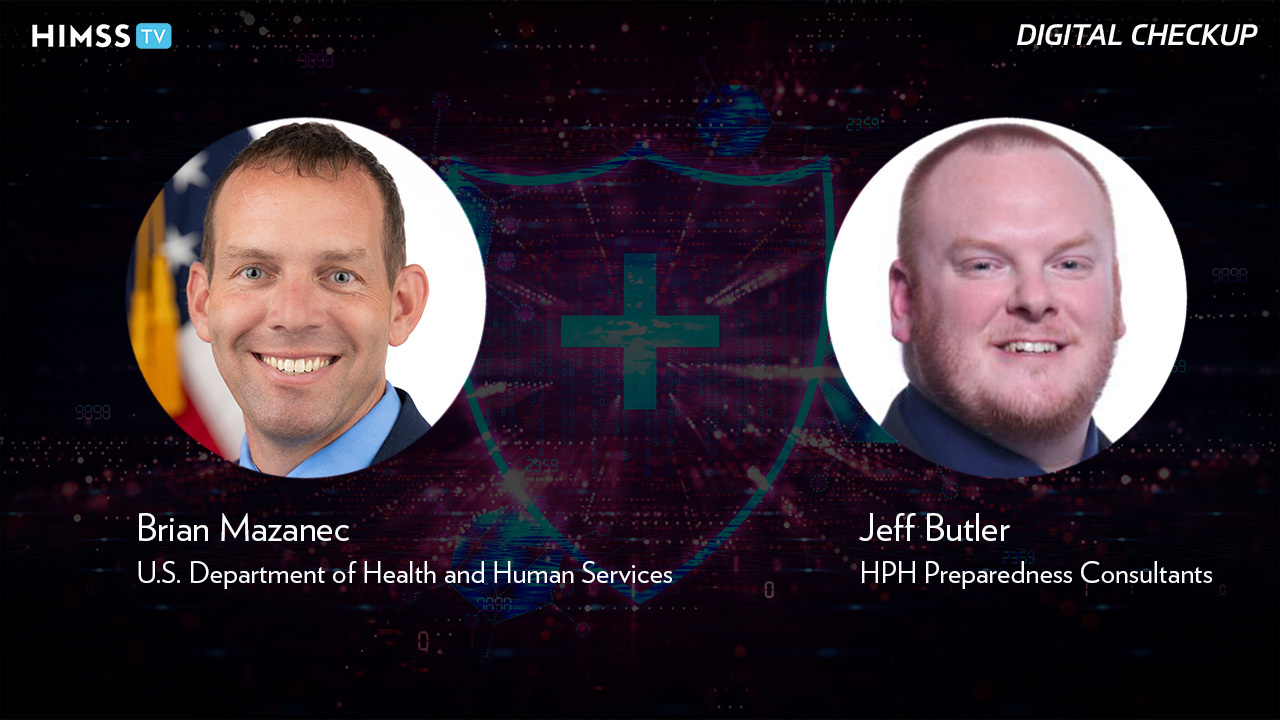
Brian Mazanec, deputy assistant secretary at HHS Administration for Strategic Preparedness and Response and Jeff Butler, owner and consultant at HPH Preparedness Consultants, discuss RISC Toolkit 2.0, which helps with cyber resilience and much more.

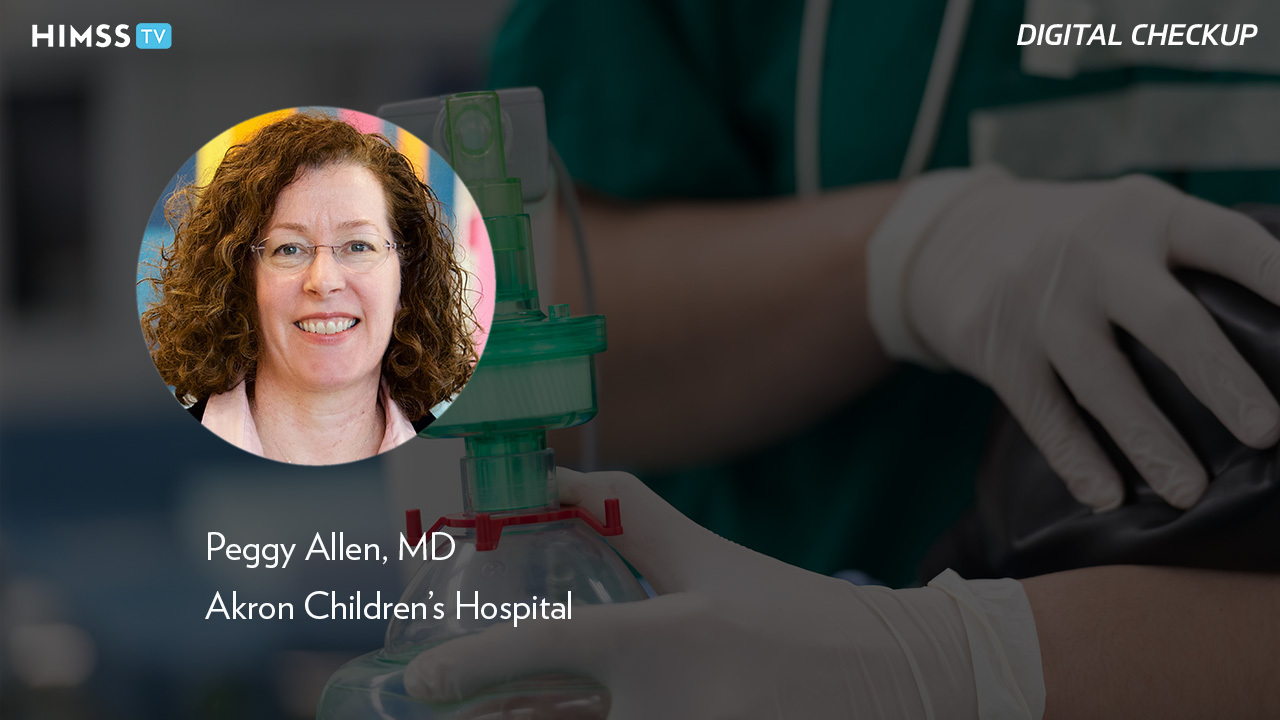
Tips for physicians and nurses on the frontlines of healthcare delivery on what they can do as well as how their use of EHRs can benefit patients, from Dr. Peggy Allen, a pediatric anesthesiologist at Akron Children's Hospital.
Leaders from Mount Sinai Health System, ARC Innovation Center and Nvidia discuss their partnership to leverage AI and vast datasets to unlock insights into the human genome to better understand how patients may respond to therapies.
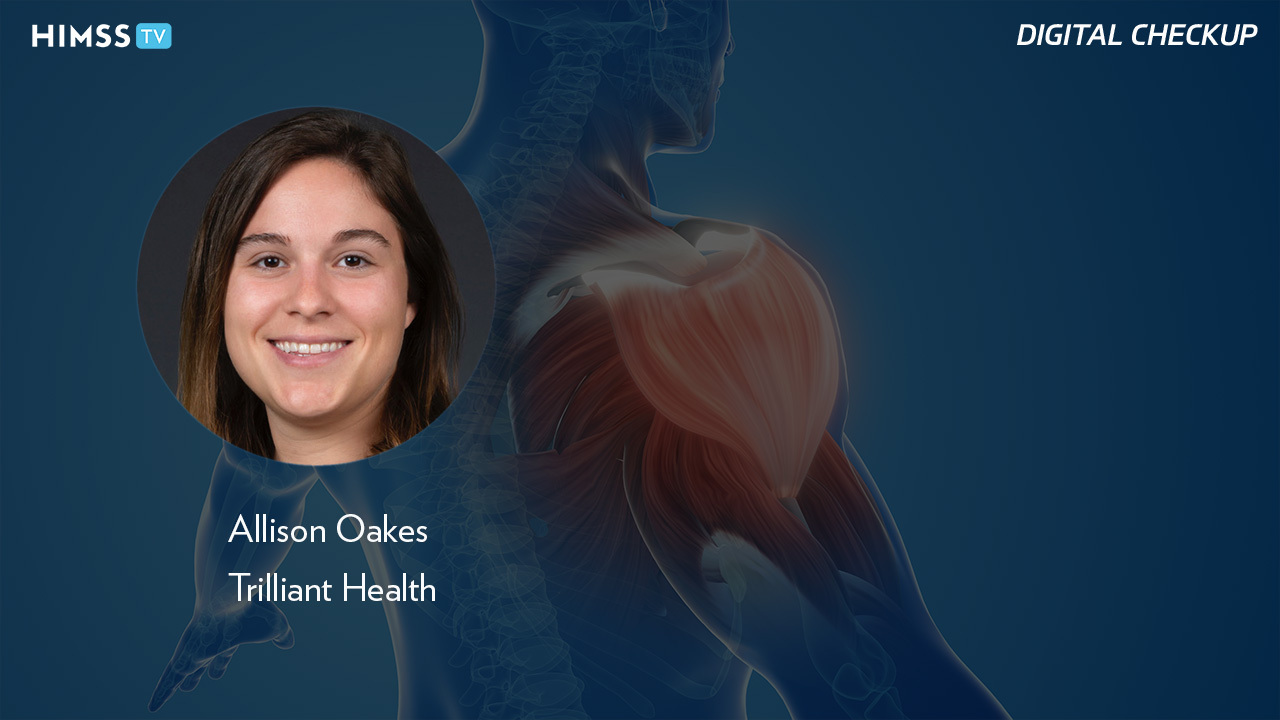
The phase-out of the Medicare Inpatient-Only list drives value and efficiency, but hospitals lose out on volume and revenue, says Allison Oakes, chief research officer for Trilliant Health.
The federal program could be a short-term patch for struggling rural hospitals or the last chance to move rural healthcare onto a model that works at scale. Michael Dalton of non-profit virtual care provider Ovatient explains.
Shlomi Madar, CEO of SpotitEarly, discusses how the company helps detect cancer by leveraging dogs’ sense of smell, AI technology and reward-based training that teaches dogs to distinguish between healthy and cancerous samples.