HIMSS TV is your Insider’s Guide to everything HIMSS. We are the world’s first online broadcasting network, focused on global innovation and how information and technology are driving change in healthcare.
Companies interested in applying to the NHS Innovation Accelerator (NIA) should learn how the health system works and build connections with patients, who can be powerful advocates, says Mindy Simon, NIA's co-director.
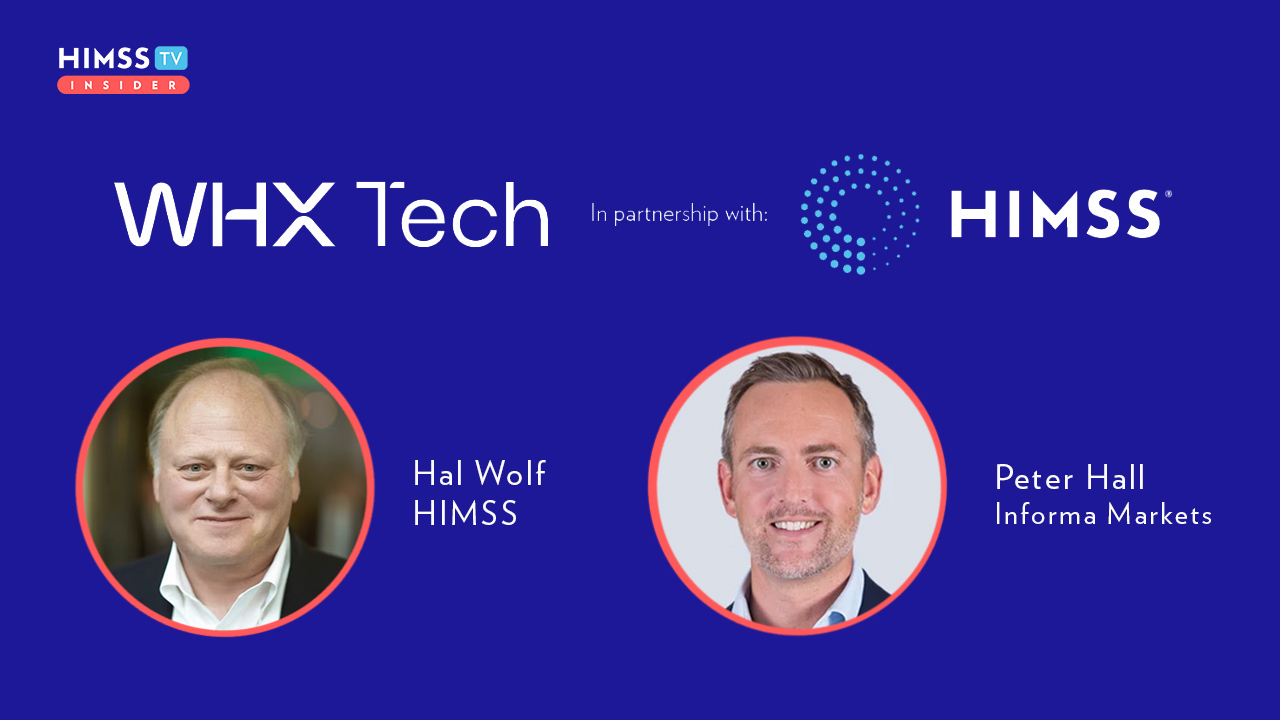
At HIMSS25 Europe, Hal Wolf, HIMSS president and CEO, discusses thought leadership aggregation, maturity models that measure integration success and other ways HIMSS helps support and advance AI in the industry.
Dr. Mohammad Al Redha of the Dubai Health Authority says NABIDH, its unified health data platform, provides doctors with patients' full medical histories in seconds so they can make more informed decisions.
Neville Perry of the Dubai Health Authority says the country's AI in Healthcare Forum spotlighted the roles AI tools can play in healthcare's future, including surfacing important information from research journals for clinicians.
Omar Ayesh, CEO of Electronic Health Solutions, discusses Jordan's national medical record, which was established in 2009 and now enables seamless care and access to patient records across the country for 70% of the population.
Fakeeh Care Group's Naveed Ahmed Rathor says the health system, which has developed its own AI-enabled EHR, is building an AI center of excellence to gain data-driven insights that will address burnout and improve care delivery.
Amid global workforce shortages and an ever-growing volume of data, Hal Wolf, HIMSS president and CEO, says AI tools can support clinical decision-making, but that caution is needed to ensure that they are used responsibly.
M42's Dr. Maaz Shaikh says the company "co-creates" its AI-powered technology with input from clinical users to ensure that the tools improve experiences for patients and clinicians.
Saad Alhuzami of the Kingdom of Saudi Arabia's Ministry of Health discusses how the Kingdom is leveraging AI-powered screenings for chronic diseases and creating digital twins that reflect patients' medical histories and risk factors.
From retinal scans to aging clocks, AI is likely to shift healthcare from reactive treatment to proactive prevention, especially in aging populations, says Andrew Steele, author of "Ageless: The New Science of Getting Older Without Getting Old".
As Europe builds solid frameworks for reimbursing digital therapeutics, the next challenge lies in clinician training, patient engagement, and embedding DTx into everyday care, says Louisa Stüwe from the French Ministry of Health.
After studying and working in the U.S., Dr. Ajlan Al Zaki of Burjeel Hospital says he returned to the UAE with a mission: manufacturing CAR T-cell therapies locally to make them more affordable for cancer patients.