HIMSS TV is your Insider’s Guide to everything HIMSS. We are the world’s first online broadcasting network, focused on global innovation and how information and technology are driving change in healthcare.
Dr. R. Ryan Sadeghian of the University of Toledo recommends that, rather than chasing every AI breakthrough, health systems focus on incremental wins in stable processes such as revenue cycle to achieve measurable value quickly.
Hanwha Vision's Chris Lennon discusses how the company's AI-powered video systems can help detect aggressive patient behavior, reduce workflow bottlenecks and enable virtual care so health systems can optimize staffing and safety.
Nurses can have a conversation with the patient at the bedside and the documentation is done, which improves both the clinical and patient experience, says Dr. Steve Buslovich, CMO of Senior Care at PointClickCare.
Frost & Sullivan's Reenita Das says that healthcare is adopting a more consumer-driven model in which patients can assemble personalized, preventive care using AI-powered tools, wearables and digital twins.
National University professor Linda Travis Macomber reflects on 40 years of progress in AI, from early rules-based systems to today's generative AI innovation, as well as the future of connected, continuous care.
Hyland Healthcare's Michael Burke talks about how governments across the GCC are investing heavily in digital health projects, unifying patient records and emerging as a global model for interoperability and connected care.
Don Woodlock with InterSystems stresses that AI must be linked to interoperable systems and patient data to deliver real impact. Aligning an organization's AI goals with interoperability mandates is key to practical AI deployment.
Health tech companies can anticipate the logic of generative artificial intelligence using knowledge graphs, like the FDA's Elsa, when submitting product reviews, and improve the accuracy of their outputs, says Jeff Elton of ConcertAI.
Richard Staynings, professor and cybersecurity strategist, says data management basics are too often lacking, and policy regs still evolving. Whether dealing with automated decision support or adversarial deepfakes, healthcare orgs need both.
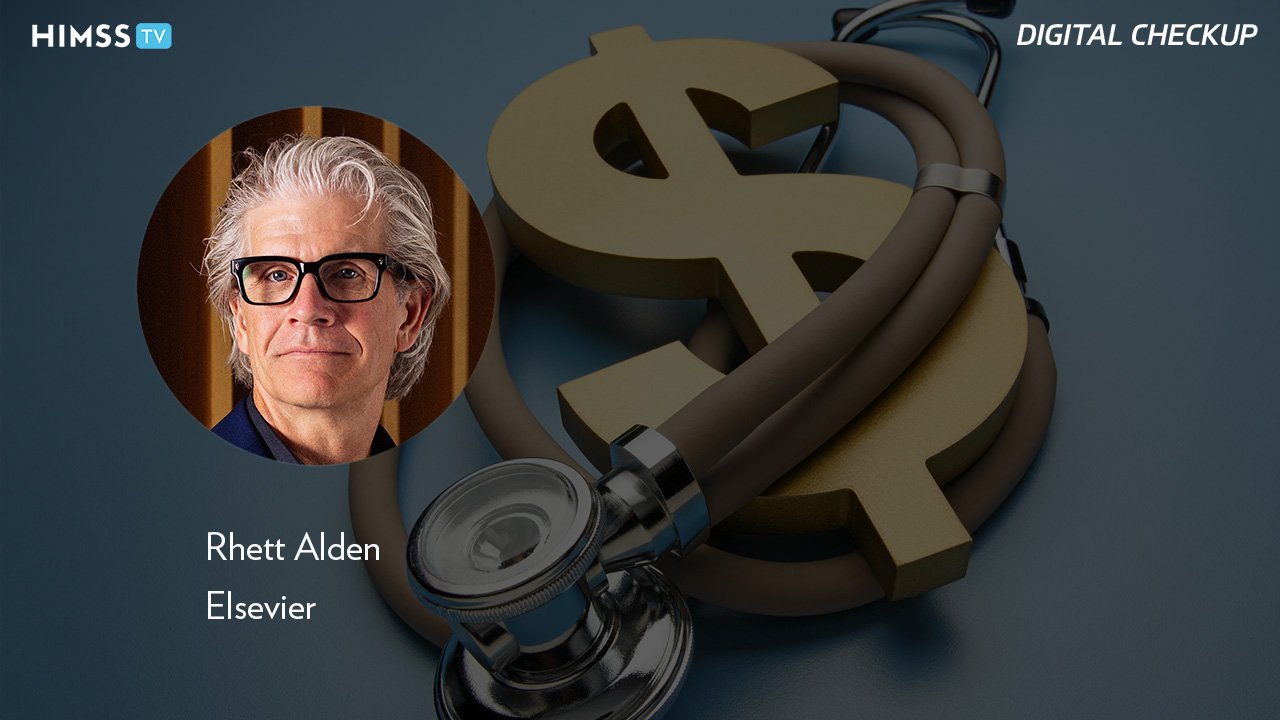
Ed Marx, longtime healthcare CIO, explains that with more patients using artificial intelligence on their own to help with self-diagnosis, treatment and more, health systems that don't offer innovative new services could see revenue erode.
Hal Wolf, HIMSS president & CEO, and Peter Hall, Informa Markets president of Middle East, India, Türkiye & Africa, discuss how the event served as a global platform to learn and connect about digital health transformation successes and challenges.
Eleni Dimokidis, head of healthcare technology at AWS Asia-Pacific and Japan, shares tools that can make AI as accurate and reliable as possible.