HIMSS TV is your Insider’s Guide to everything HIMSS. We are the world’s first online broadcasting network, focused on global innovation and how information and technology are driving change in healthcare.
The new research aims to explore models' diagnostic and management reasoning skills – and what that could mean for clinicians and patients, says Dr. Ethan Goh, executive director of Stanford ARISE, the AI Research and Science Evaluation Network.
Artificial intelligence-driven cost estimation tools and telehealth are addressing patient care gaps and improving care access while lowering total costs for employee groups, says Robin Glass, president of Included Health.
Zoom Communications' Jim Martin says the company's AI-first platform can streamline clinical and call center workflows, including generating visit notes to free clinicians' time so they can focus on patient interactions.
Sukrti Nagpal, deputy chief medical officer of virtual care provider Doccla, and Yosef Safi Harb, founder and CEO of health monitoring company Happitech, discuss their partnership to help monitor and detect heart rhythm problems in patients.

Veradigm is consolidating payer apps attached to EHRs by 15% to simplify providers' days and eliminate patient care gaps by up to 80%, based on larger provider groups, says Megan Zakrewsky, VP of product for clinical data exchange.
MaineHealth has had much success in the field of telemedicine. Its medical director of telehealth and virtual care Dr. Tracy Jalbuena and its VP of telehealth and virtual care Lizzy Mulcahy offer detailed advice on expansion and patient involvement.
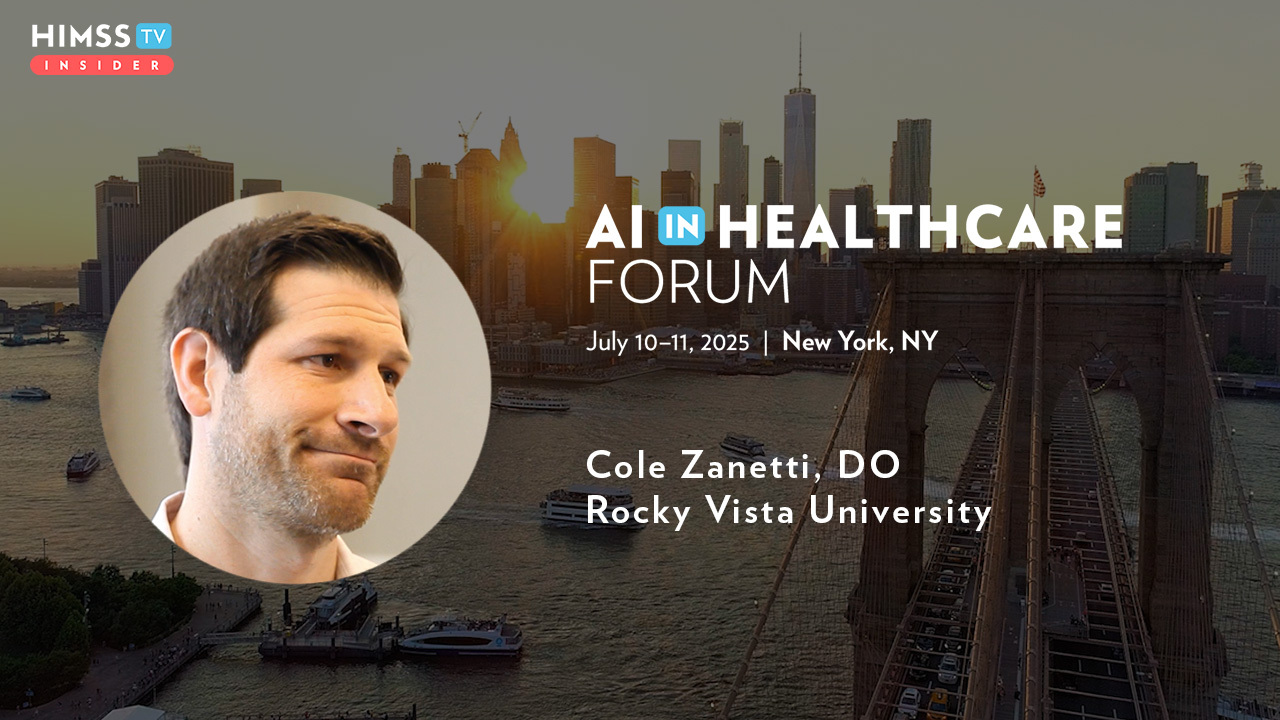
Health systems need to better educate patients, providers and the workforce about the promise of artificial intelligence, says Dr. Cole Zanetti, professor and director of digital health at Rocky Vista University College of Osteopathic Medicine.
Dr. Joshua Eloge, Rush associate director of the Woman's Board Depression Treatment Research Center, and Jenn Wong of Abbott discuss their research that uses a brain stimulation device to help patients with treatment resistant depression.
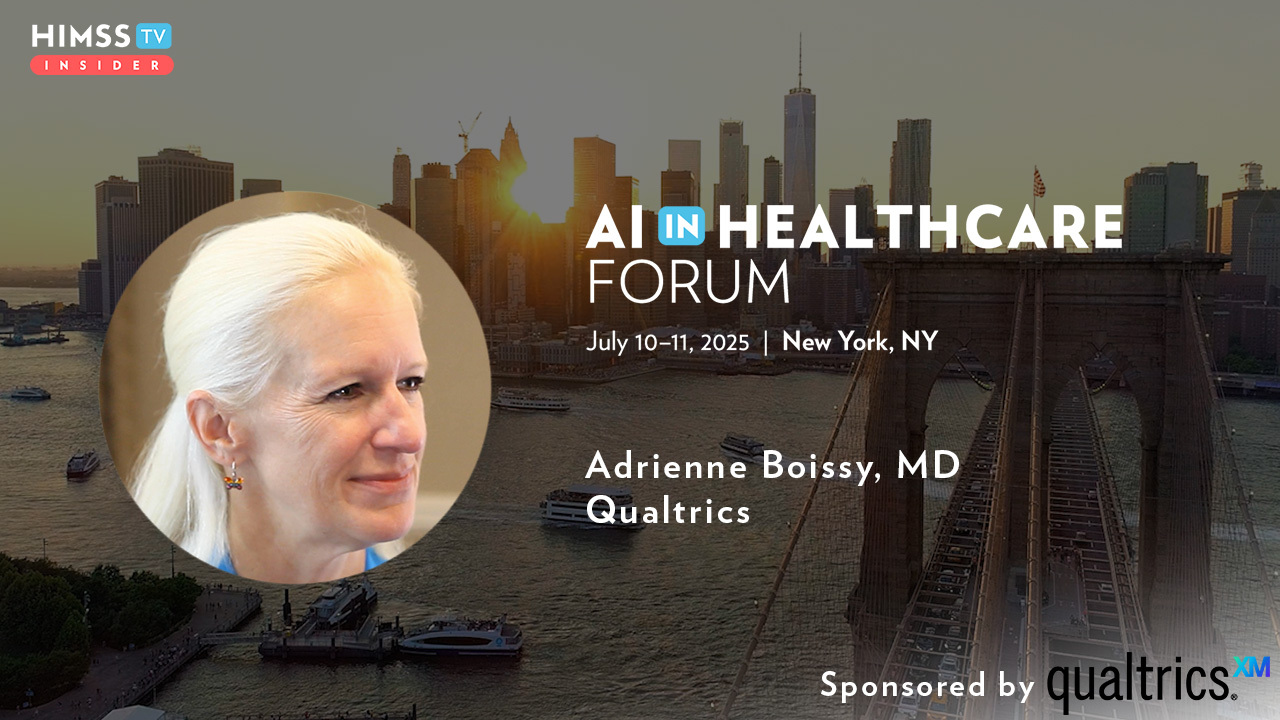
Qualtrics Chief Medical Officer Dr. Adrienne Boissy says that designing AI tools with empathy and leveraging synthetic data can create systems that increase care access, build connections and earn patients' trust across every touchpoint.
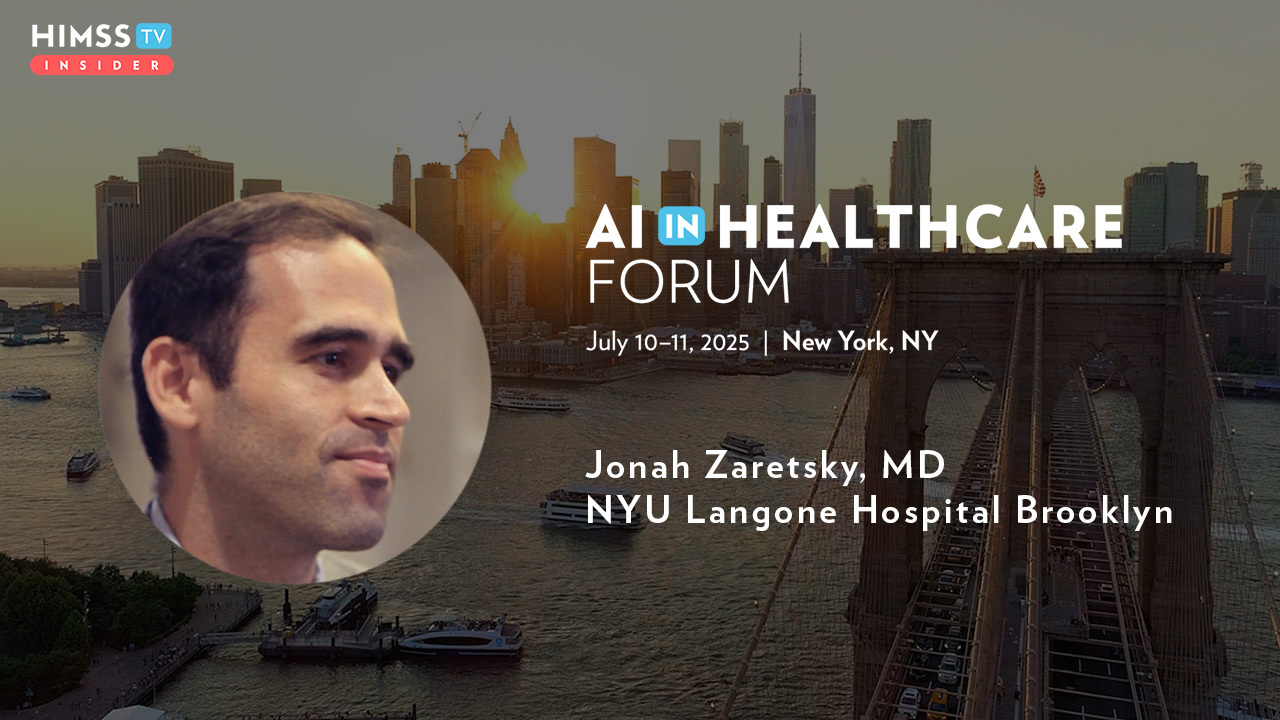
Dr. Jonah Zaretsky, medical director at NYU Langone Hospital Brooklyn, discusses his research into using artificial intelligence to translate patient chart notes into a reader-friendly format.
The hospital has improved staff coordination and reduced patient wait times by integrating processes, shares Bethsaida Healthcare corporate IT head Hasan Widjaja.
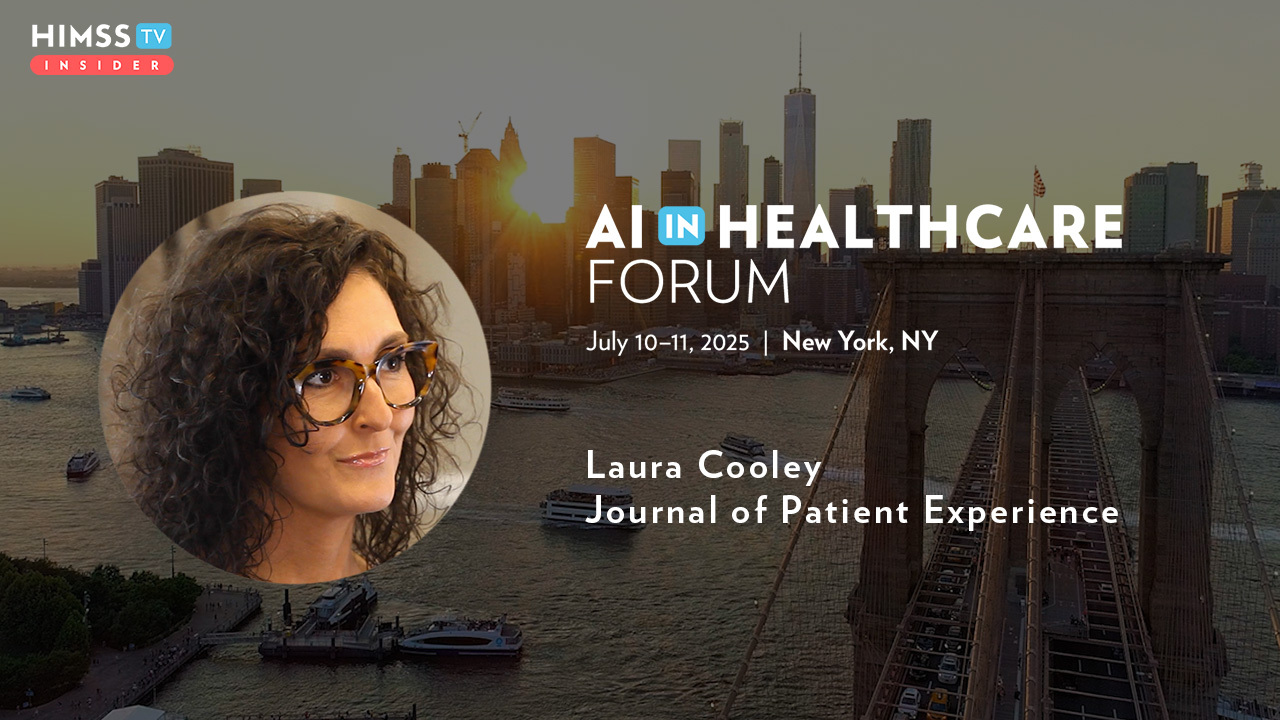
Work must be done to overcome that in order to unlock the benefits of artificial intelligence for healthcare, says Laura Cooley, editor in chief of Journal of Patient Experience. "The only way to build trust is to earn trust."