HIMSS TV is your Insider’s Guide to everything HIMSS. We are the world’s first online broadcasting network, focused on global innovation and how information and technology are driving change in healthcare.
Dr. Mohd Hanif Abdul Gaus, director of health technology at LogixLab, speaking recently at HIMSS AsiaPac19, describes how his AI-powered diagnostic tool is helping innovate approaches to medical imaging.
Peter Faulkner, CEO of Bendigo Health -- a large regional health service in Victoria, Australia -- talks about increased demand changing the business of hospital management, and how tech advances around supply chain and machine learning can help.
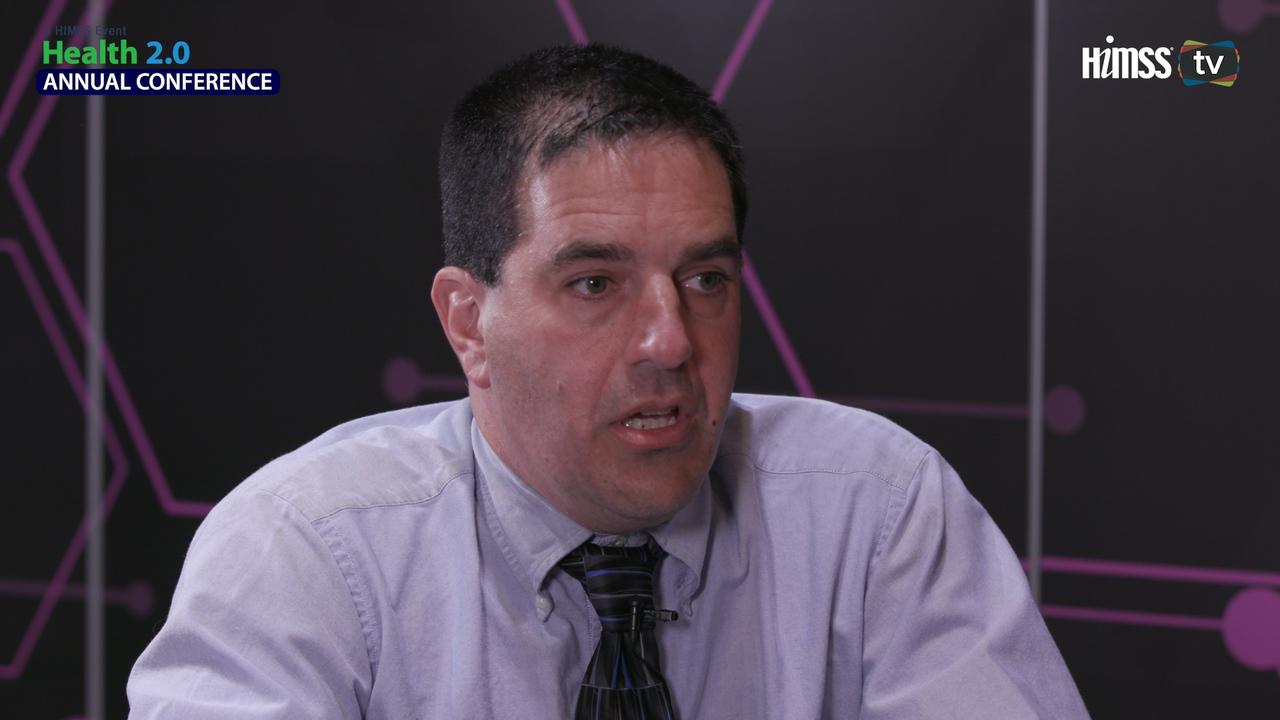
Accredited Health CTO Mark Plaskow discusses how machine learning can improve outcomes and reduce unnecessary spending.
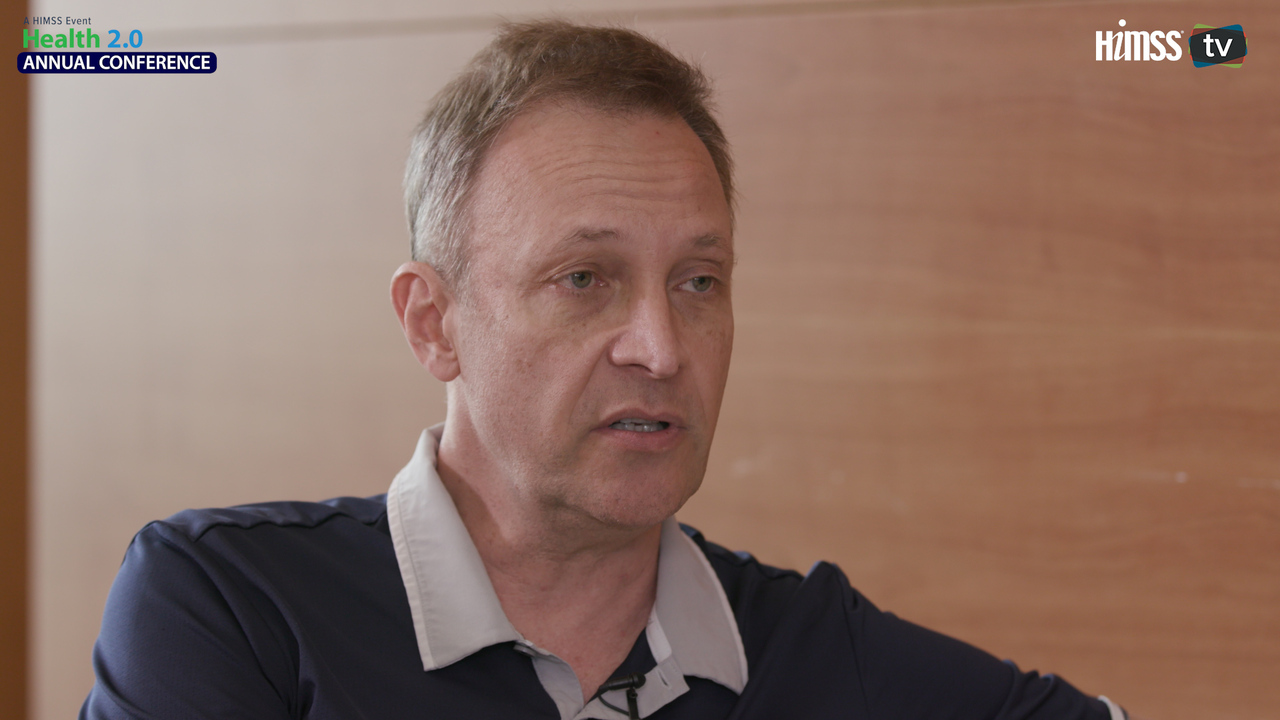
"We need to redefine what is a doctor," says Dr. Steven Charlap, CEO of GeneYes, a digital health startup aimed at giving physicians greater insights by improving data management capabilities.
Charles Atkinson, founder of The Whole Brain Foundation and a West Nile virus survivor, has drawn up a multi-dimensional whole brain model that aims to ultimately help "augment humanity's capacity to deal with illness."
Journalist James Vlahos, contributor to Wired and other magazines, describes Dadbot – an invention that turned an oral history recorded with his terminally ill father into a conversational chatbot that offers a sort of “digital afterlife.”
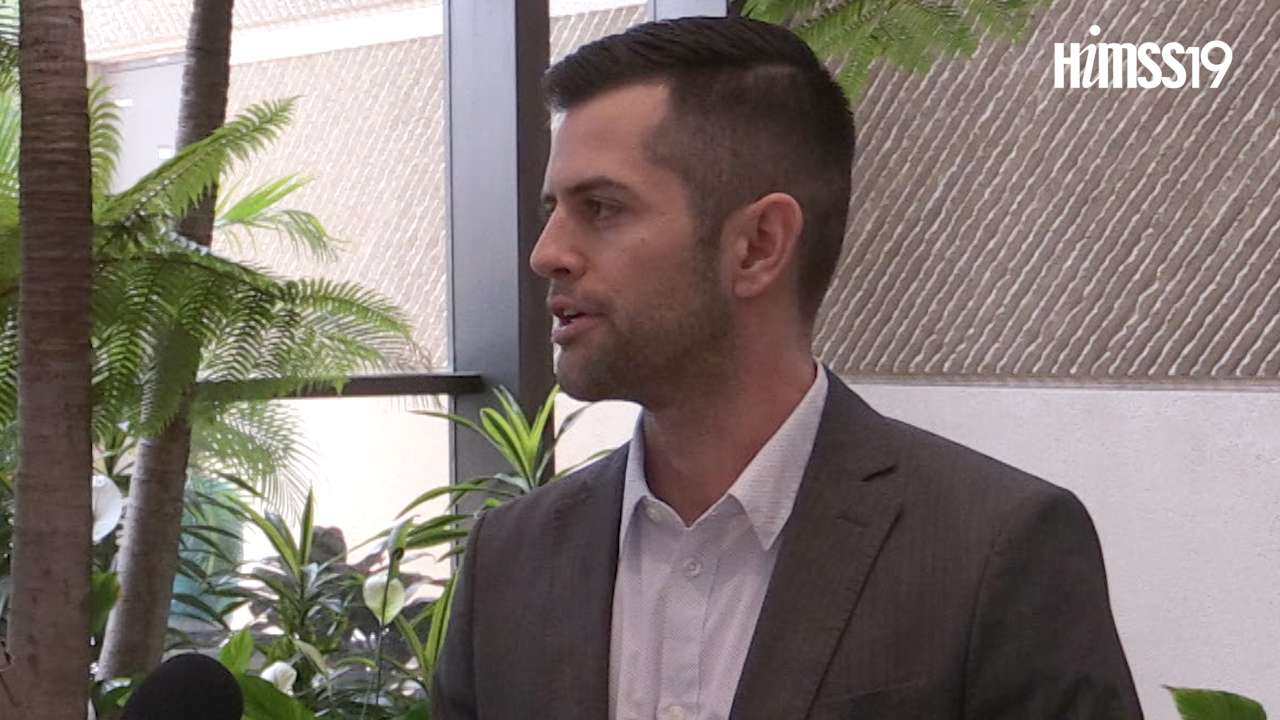
The collaboration platform for common workflows is able to translate a wide variety of formats into FHIR data to be exported downstream, says Lonnie Rae Kurlander, co-founder and CEO of Medal.
AiME (Artificial Intelligence Mental Evaluation) asks evocative questions and analyzes facial expressions and voice inflection to assess the risk of depression, anxiety and addiction, says Textpert CEO and Founder Ray Christian.
Livongo CEO Zane Burke talks about how artificial intelligence can make care more personal from both the clinical and consumer perspective.
Andrew Rebhan, consultant at The Advisory Board, discusses new advances in artificial intelligence and other emerging tech for which hospitals should prepare: biopsychosocial IT, internet of things, 3D printing, augmented reality and more.

Todd Schlesinger, VP of business development at Jvion, says AI has already moved beyond its status as a novel technology with exciting potential use cases, to one that is already helping solve real-world challenges and improving patient outcomes.
Joseph Dorocak, manager of population health analytics at Cleveland Clinic, describes some of the staffing and process strategies the health system uses as it puts AI to work for two intertwined aims: better patient outcomes and financial return.