HIMSS TV is your Insider’s Guide to everything HIMSS. We are the world’s first online broadcasting network, focused on global innovation and how information and technology are driving change in healthcare.
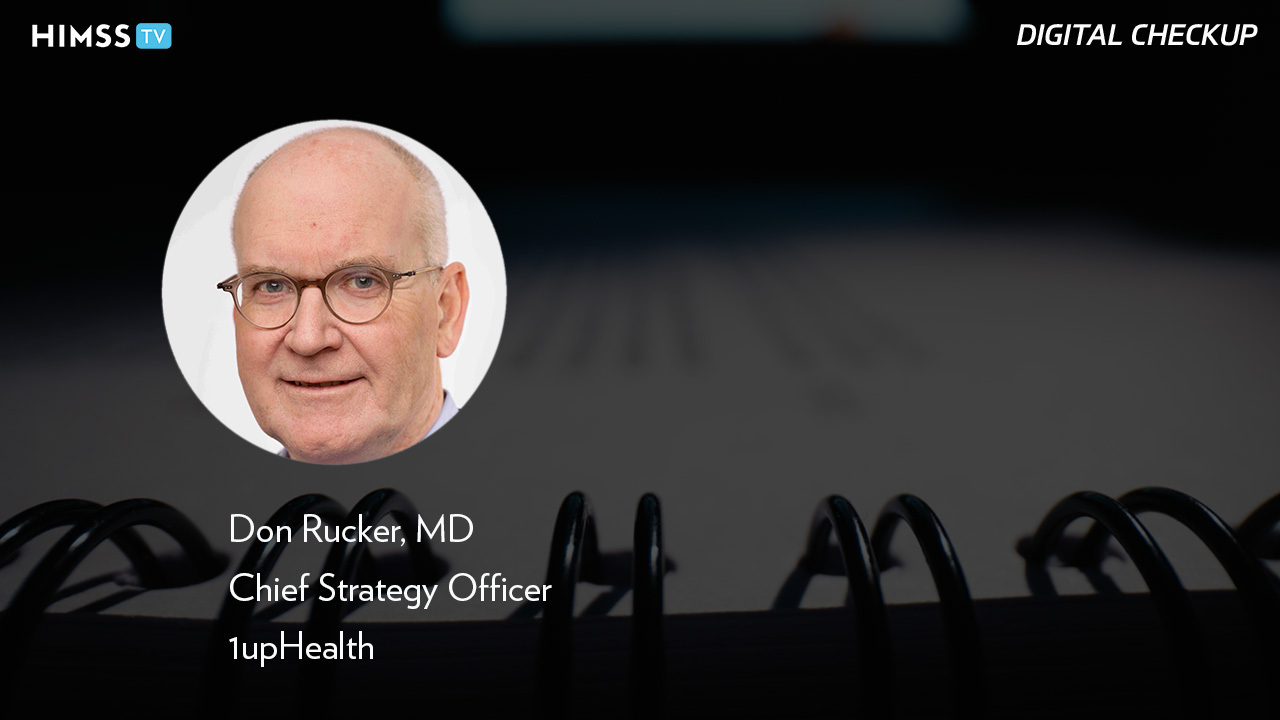
Don Rucker, chief strategy officer for 1upHealth, says with HTI-1 finalized, EHR vendors are going to have to figure out electronic case reporting while providers will have to get social determinants of health into their workflows.
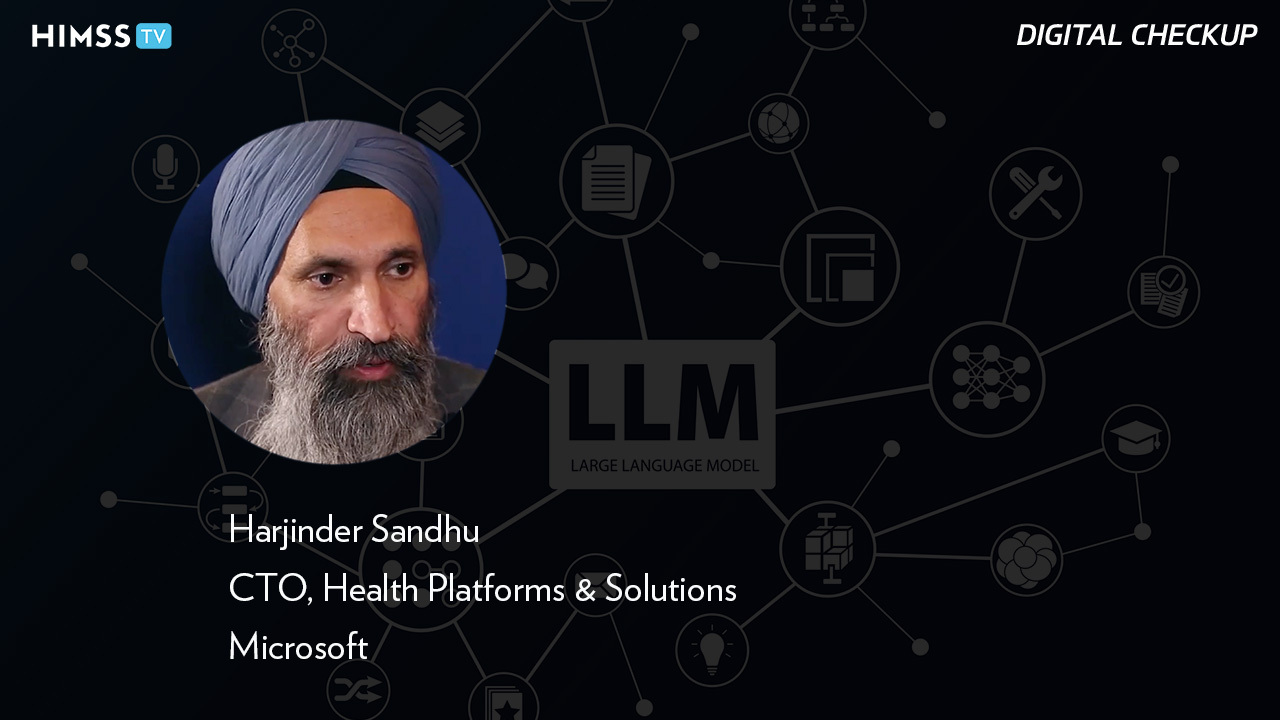
Harjinder Sandhu, CTO of health platforms and solutions at Microsoft, discusses the proper use of OpenAI in healthcare, research on LLMs, bias in AI technology and recommendations for regulators developing rules on AI use in healthcare.
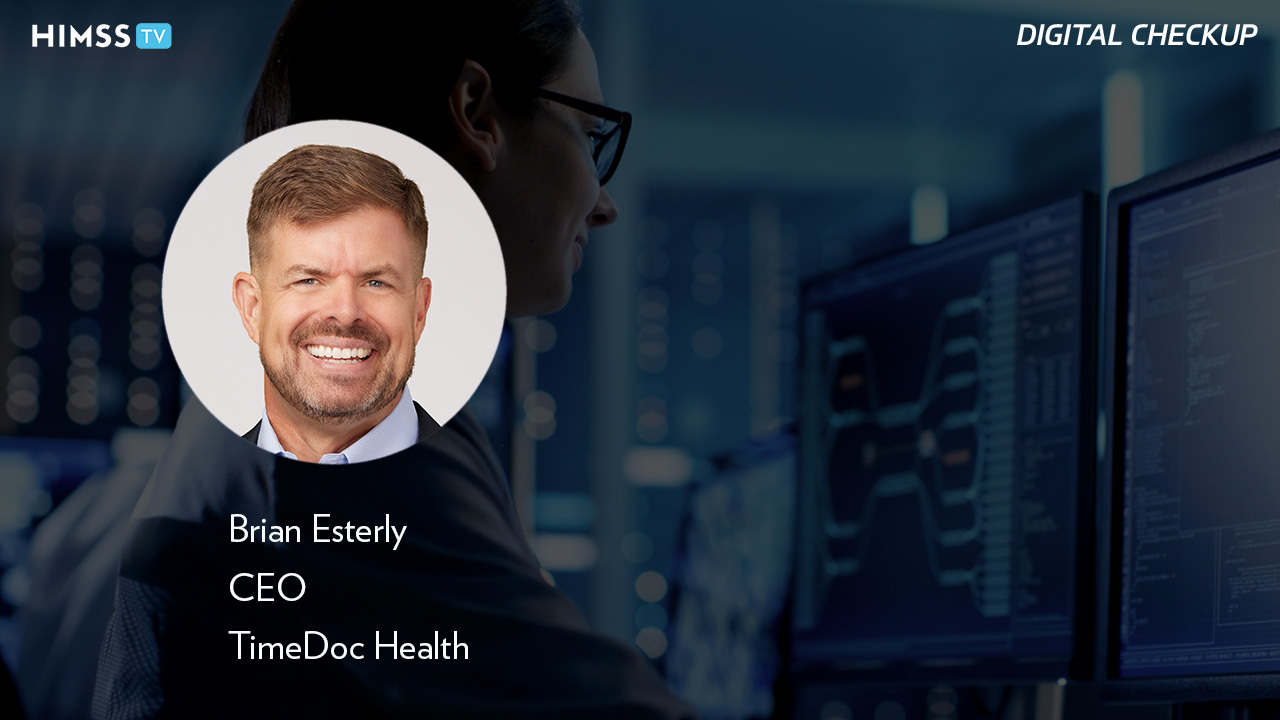
Brian Esterly, CEO of TimeDoc Health, discusses key social determinants of health issues, the rise in comorbidities complicating the delivery of care, healthcare deserts, and how health IT can serve as a bridge to all of these patients.

AI has shaken the industry, but it’s hard to understand how patient data is being collected and used, says Sara Shanti, a partner in Sheppard Mullin’s Corporate Practice Group in Chicago.
Jay Rughani, investment partner at a16z, discusses the paper he and his colleagues recently released titled "AI: The Teammate Clinicians Need" and steps regulators should take toward reimbursement policies for care providers using the technology.
Precision medicine moved beyond chronic care into long-term care – preventing falls and reducing polypharmacy lists – while precision oncology advancements and broader payment will drive further adoption, says Dr. Joel Diamond, CMO of Aranscia.
Utilization has dropped to 5.4% of medical claims since telehealth use skyrocketed during the pandemic, says Steven Ullman, director at the Center for Health Management and Policy at the University of Miami.
Naomi Fried, founder and CEO of PharmStars, discusses the organization's 5th cohort, which is titled "Digital Innovations in Therapeutic Delivery: Supply Chain to the Patient Interface," and the 11 startups graduated from the accelerator program.
Dr. Michael Howell, chief clinical officer at Google, discusses the evolution of the company's medically tuned LLM, how AI can improve health equity and recommendations for regulators constructing rules around AI use in healthcare.
AI can make precision medicine more inclusive, but regulations haven't caught up, says IQVIA's Updesh Dosanjh. He explains how the digital twins developer brings humans into artificial intelligence models to maintain fairness.
Bringing telehealth and other tools into the doctor’s office increases access and destigmatizes mental health conditions, says Dr. Nele Jessel, chief medical officer at athenahealth.
Discussion of how this can be, and how healthcare can increase adoption of AI with appropriate guardrails in place for safety, transparency and ethics, from Peter Shen, head of the digital and automation business at Siemens Healthineers.