HIMSS TV is your Insider’s Guide to everything HIMSS. We are the world’s first online broadcasting network, focused on global innovation and how information and technology are driving change in healthcare.
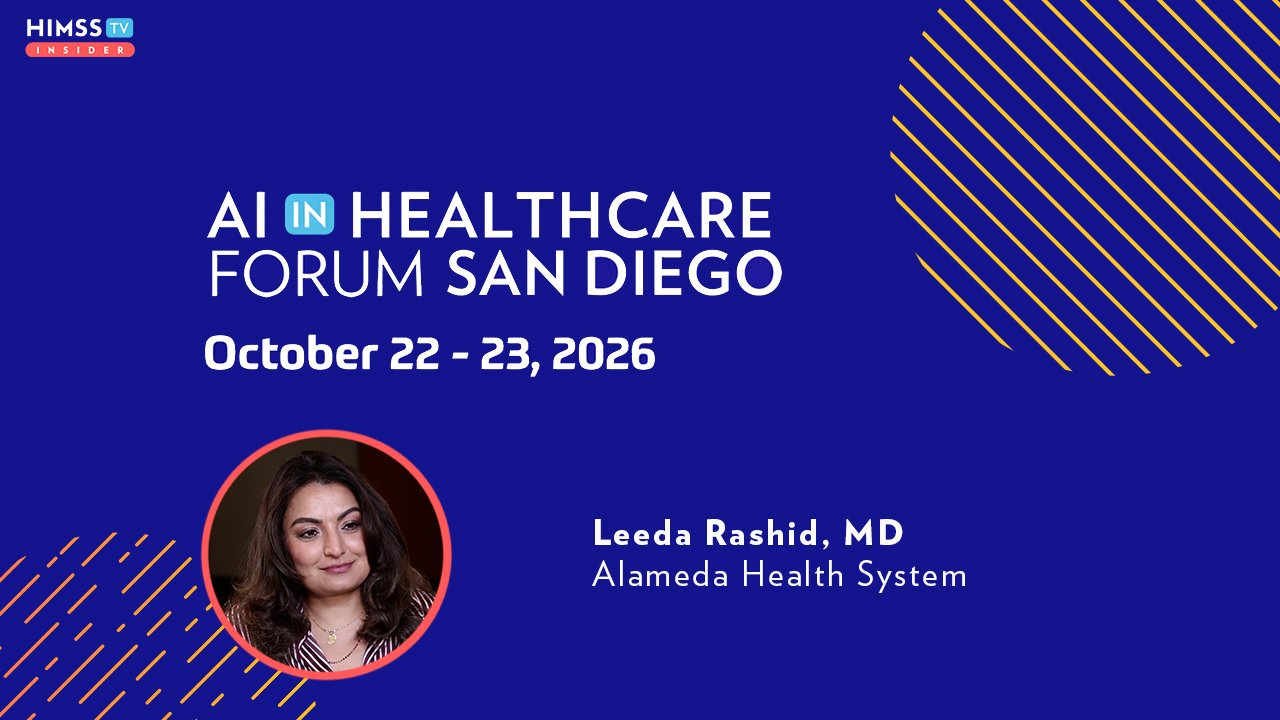
The FDA is looking for public input to help shape generative AI policies, and Alameda Health System's Dr. Leeda Rashid recommends that clinicians, leaders and patients make their perspectives heard.
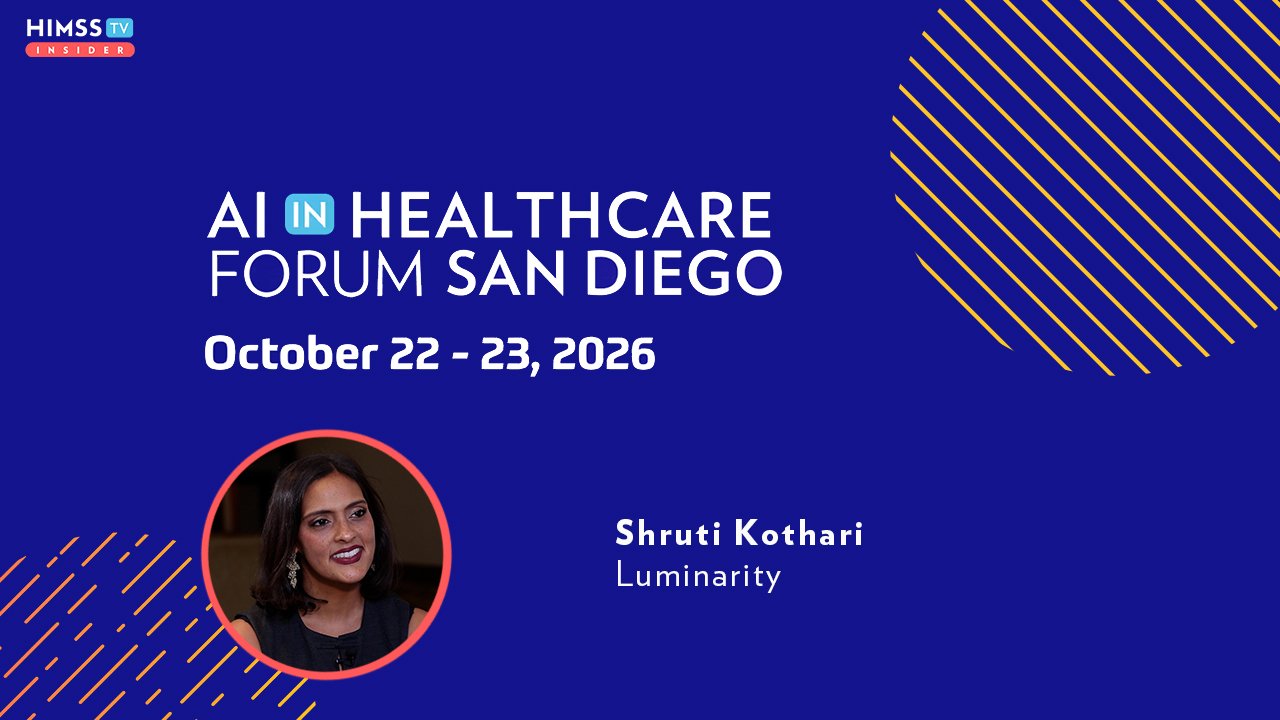
Shruti Kothari, Luminarity founder and principal, talks about how AI can help increase access to care, relieve clinicians' administrative burden, and improve patient and caregiver experiences.
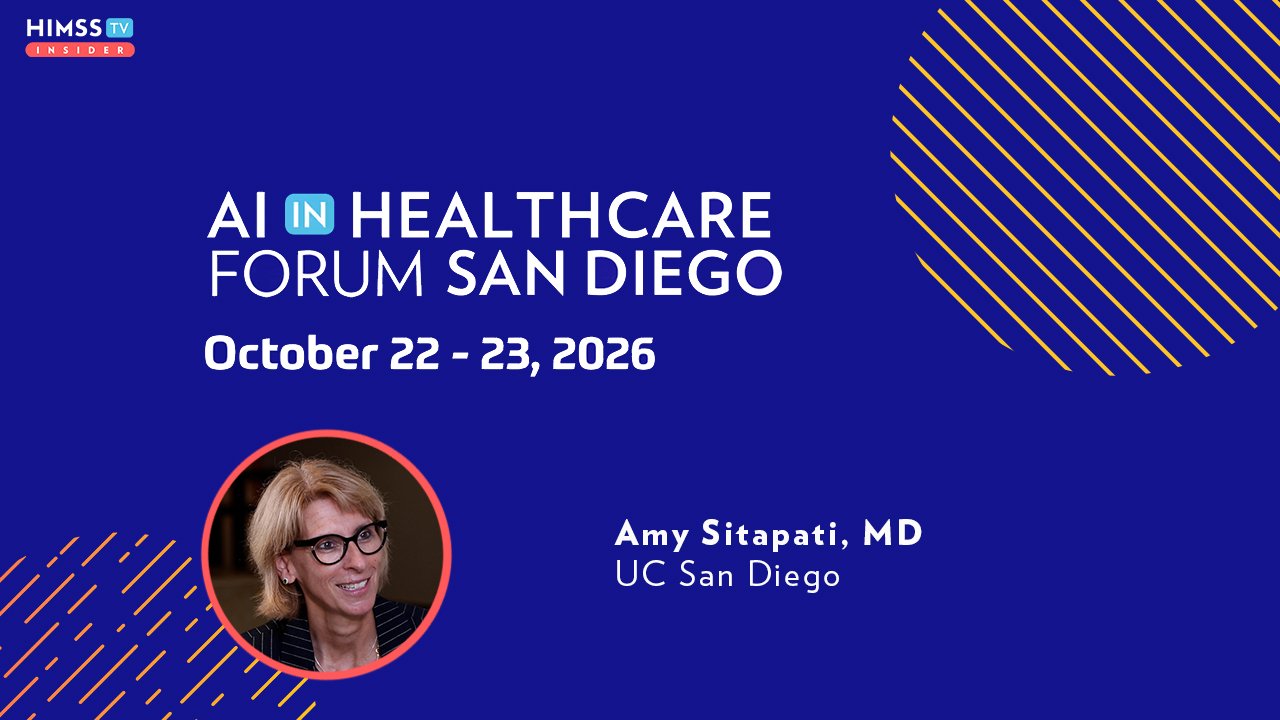
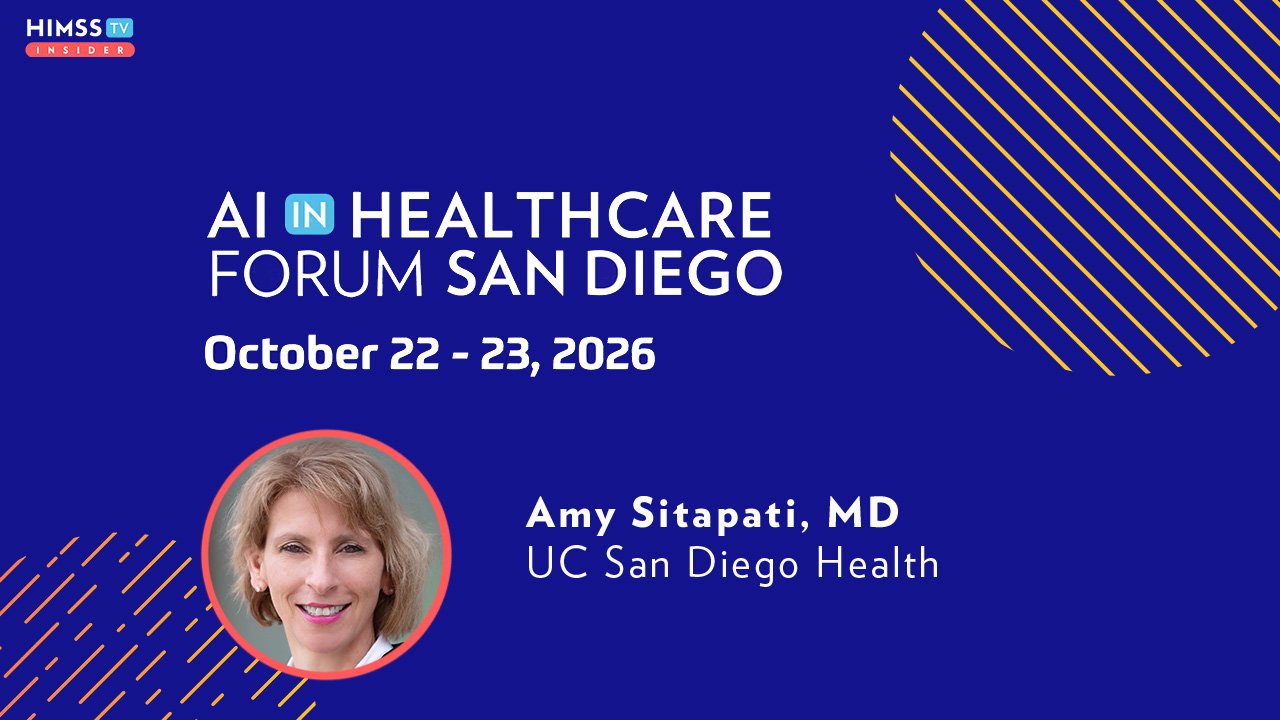
Dr. Amy Sitapati, CMIO for population health at UC San Diego, says the health system focuses on using AI tools to help patients find and access care, ease clinician workloads, and identify and help the sickest patients first.

Noel Khirsukhani, chief growth officer at Andor Health, recommends that health systems identify specific desired operational or clinical outcomes, then choose AI tools that can help deliver those outcomes.
Dr. Fahad Razak, an internist at St. Michael's Hospital, discusses how AI is helping to capture cases of delirium that traditional ICD-10 coding misses, creating opportunities for earlier intervention and harm reduction.
Houston Methodist's Dr. Evan Collins discusses how the hospital is using AI to help predict surgery start times and optimize nursing and anesthesia workflows so more patients can be seen.
Midori Kondo, VP of applications at UCSF Health, discusses the health system's strategy for implementing digital applications, which focuses on standardization, change management and ensuring that a tool truly meets a need.
Nassib Chamoun, HDAI founder and CEO, says combining generative AI's ability to glean insights from unstructured patient data with predictive analytics' ability to map patient journeys can identify opportunities to improve care.
Dr. Bobby Garg, Suki's senior medical director, discusses how agentic AI that spans multiple workflows across an organization needs separate guardrails for each step and different people to monitor those steps.
Brittany Cyriacks, UCHealth's chief informatics program director, says the health system started using AI in 2018 to help identify sepsis and patient deterioration and is now developing its own AI tool for virtual nursing.
Intelligent, AI-guided patient routing can help ensure that patients' needs are understood and that they are prepared for their appointments, according to Ran Shaul, K Health's cofounder and chief product officer.
Dr. Amy Sitapati, executive director of the Institute for Applied Health Intelligence at UC San Diego Health, says the HIMSS AI in Healthcare Forum in San Diego will explore all angles of using artificial intelligence to advance health.