HIMSS TV is your Insider’s Guide to everything HIMSS. We are the world’s first online broadcasting network, focused on global innovation and how information and technology are driving change in healthcare.
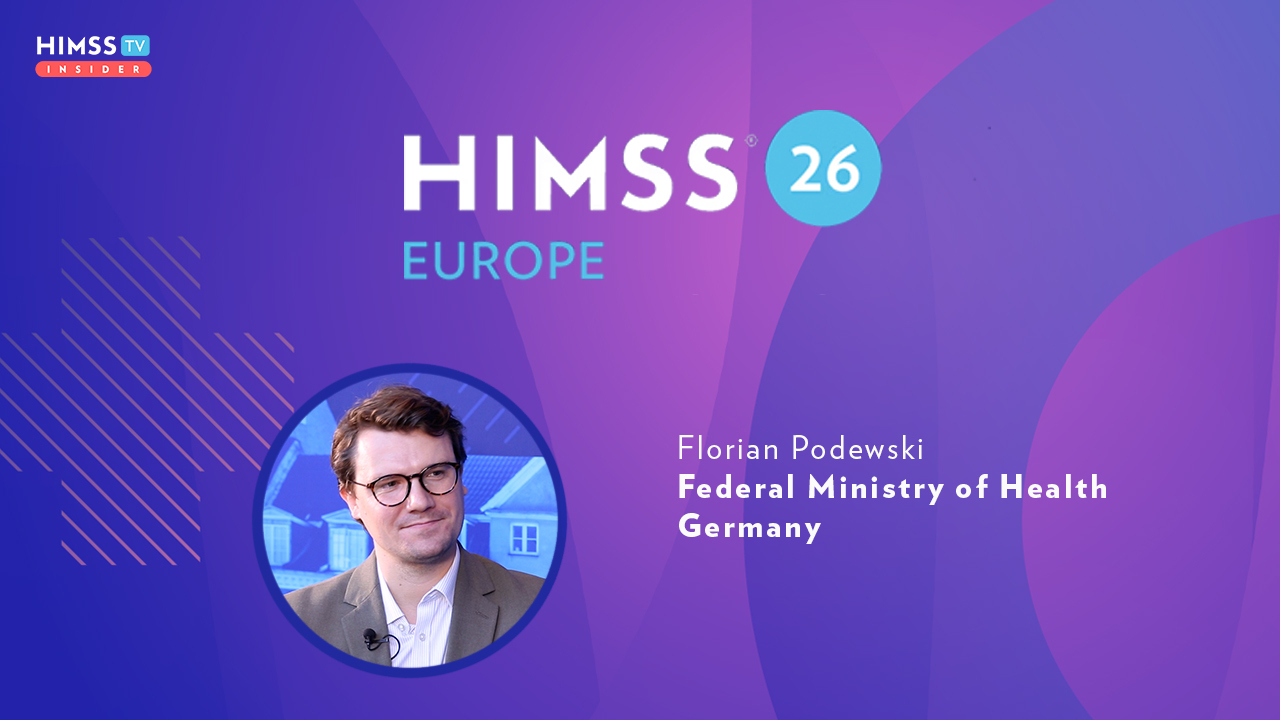
Florian Podewski of Germany's Federal Ministry of Health cautions that health systems must prepare now for risks posed by deepfake technology, unsecured medical devices and quantum computing.
At the HIMSS26 Europe Interoperability Showcase, presenters traced the journey of "Sofia," a Swedish cancer patient who has moved to Denmark, and showed how clinicians in both countries can easily and safely access her medical history.
During the HIMSS26 Europe Interoperability Showcase, experts share the story of Icelandic patient "Jon," whose vacation in Denmark illustrates how interoperable technologies support timely, coordinated care across Europe.
Lars Fruergaard Jørgensen, Healthcare Denmark chair, says that Nordic countries' small, connected societies allow them to build strong healthcare partnerships that offer lessons for other nations pursuing large-scale digitisation.
Author Karen Hao says users often do not know about the immense scale of AI data centers and their computing infrastructure, as well as the labor exploitation and environmental strain that accompany them.
Dr Hannah Allen, chief medical officer at Heidi and GP, shares insights from real-world deployments where AI tools are helping reduce cognitive burden and administrative workload across healthcare settings.
Thierry Ferret, Verisound commercial and strategy director at GE HealthCare, explains how large-scale ultrasound analytics can support better coordination, standardization, and long-term planning across healthcare systems.

The HIMSS26 European conference offers leaders an opportunity to share practical lessons on successful digital transformation strategies, say Hal Wolf, HIMSS president and CEO, and Elena Sini, HIMSS board chair.
Jesús Pulgarín, health senior manager at NTT DATA, discusses why inconsistent and disconnected health data continues to challenge interoperability efforts across Europe.
Siobhan McMahon, director of AI solutions at Dedalus, describes why healthcare organizations must approach AI adoption responsibly within highly regulated clinical environments.
Stuart Harrison, cofounder and CEO of ETHOS, discusses how synthetic data and real-world evidence could support safer and more efficient validation of AI-enabled medical devices through the Horizon Europe project, INSAFEDARE.
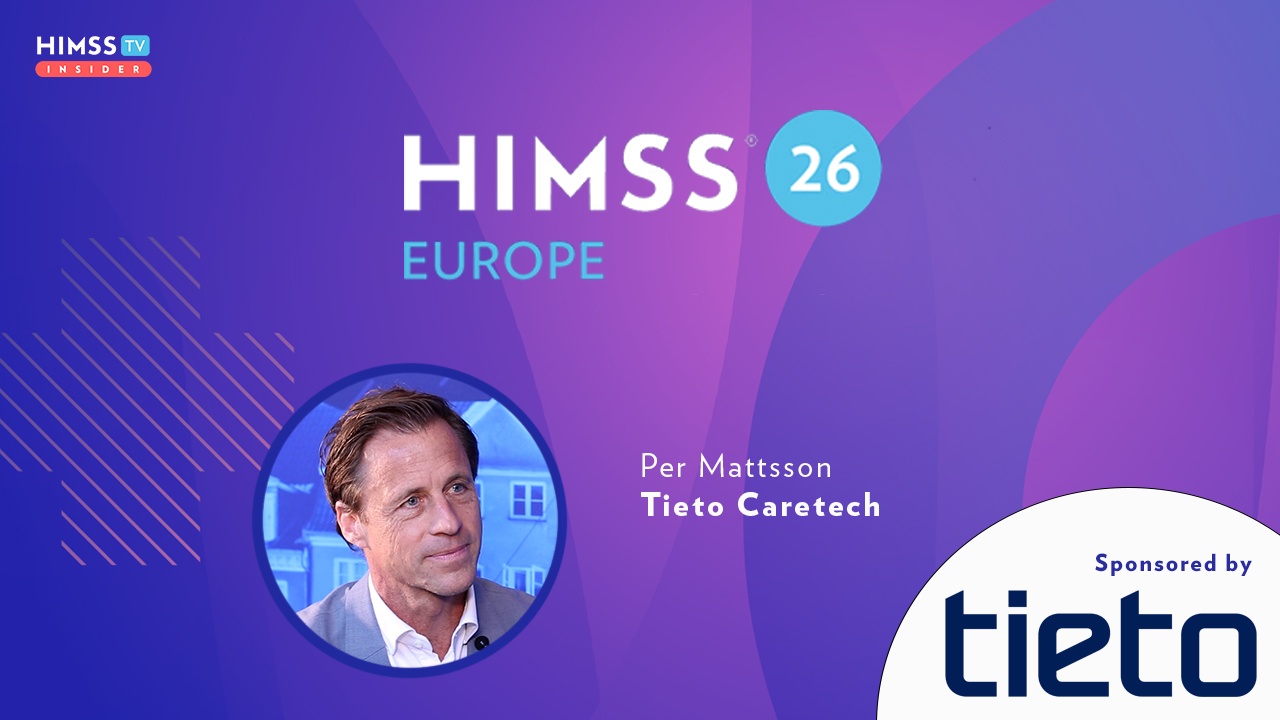
Per Mattsson, vice president and head of AI and clinical innovation at Tieto Caretech, discusses how artificial intelligence could help expand access to global medical expertise and support more informed healthcare decision-making in the future.