HIMSS TV is your Insider’s Guide to everything HIMSS. We are the world’s first online broadcasting network, focused on global innovation and how information and technology are driving change in healthcare.
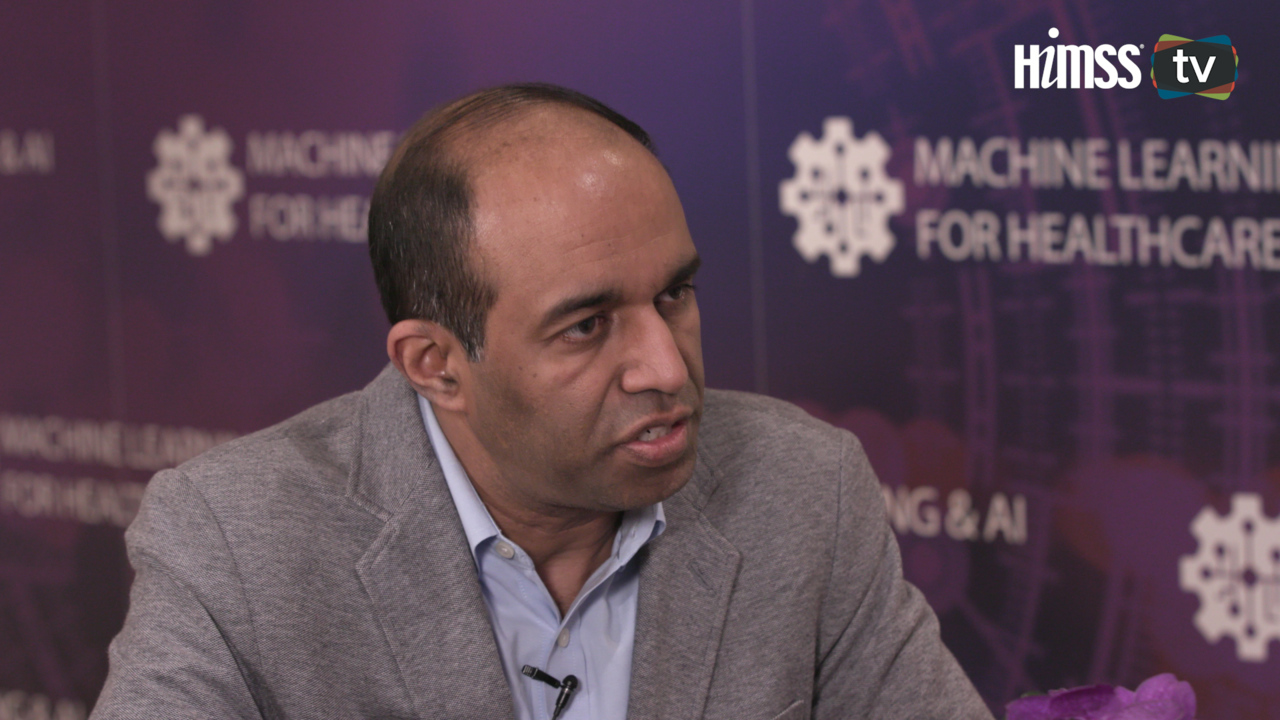
Dr. Vinay Vaidya, chief medical information officer at Phoenix Children's Hospital, describes how the health system is deploying analytics for its chronic disease management program, longitudinally tracking patients with an actionable dashboard.
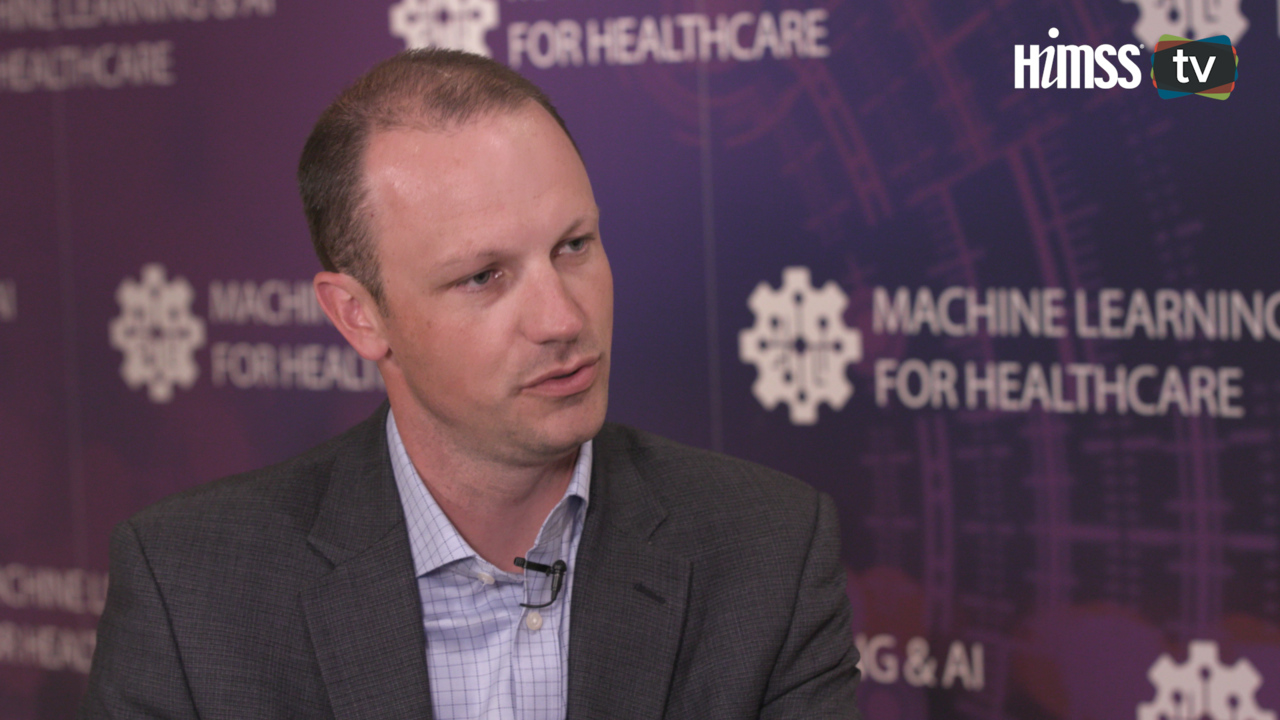
Joseph Dorocak, manager of population health analytics at Cleveland Clinic, describes some of the staffing and process strategies the health system uses as it puts AI to work for two intertwined aims: better patient outcomes and financial return.
Machine learning is only a means to an end, helping organizations learn from data more quickly and intuitively, says Leonard D'Avolio, founder and CEO of Cyft.
Westchester Medical Center integrated data from the EHR using a machine learning algorithm to connect patients to the right sources of care, according to Simer Sodhi, the organization's director of data management & analytics.
Dr. Sujay Kakarmath, digital health scientist at Partners HealthCare Pivot Labs, explains how the Boston organization is enabling collaboration between hospitals, health systems and other stakeholders such as big tech and pharma.
Tej Anand, professor of practice at the University of Texas' McCombs School of Business, explains how the most promising use case for blockchain in healthcare is the elimination of "redundant work, rework and reconciliation."
Badrul Husain, CEO of Infolytx, explains how his company's natural language processing technology is helping with clinical trial cohorts, and discusses how AI is gaining real traction elsewhere across healthcare.
(Sponsored) Kevin Shah, head of Enterprise New Business at Fujifilm Europe, says automating some processes can deliver diagnoses more quickly, increasing the chance of better outcomes for patients while reducing clinicians' workloads.
KVC Health Systems CIO Lonnie Johnson describes the IT and data strategies of his multi-state provider of foster care and adoption services, including its predictive modeling goals and first steps toward AI and machine learning.
Interventions are the hardest part as disparate data has to be interwoven for behavior change if risk is to be mitigated, says Duke University Health System Chief Analytics Officer Stephen Blackwelder.
The challenge is not so much in the technology development but in the cultural maturity for people to realize what the data can do for them, says Chad Konchak, assistant vice president of Clinical Analytics at NorthShore University HealthSystem.
Rob Wellen, regional vice president at KenSci, talks about common data analytics questions from providers, including how to operationalize machine learning and AI.