HIMSS TV is your Insider’s Guide to everything HIMSS. We are the world’s first online broadcasting network, focused on global innovation and how information and technology are driving change in healthcare.
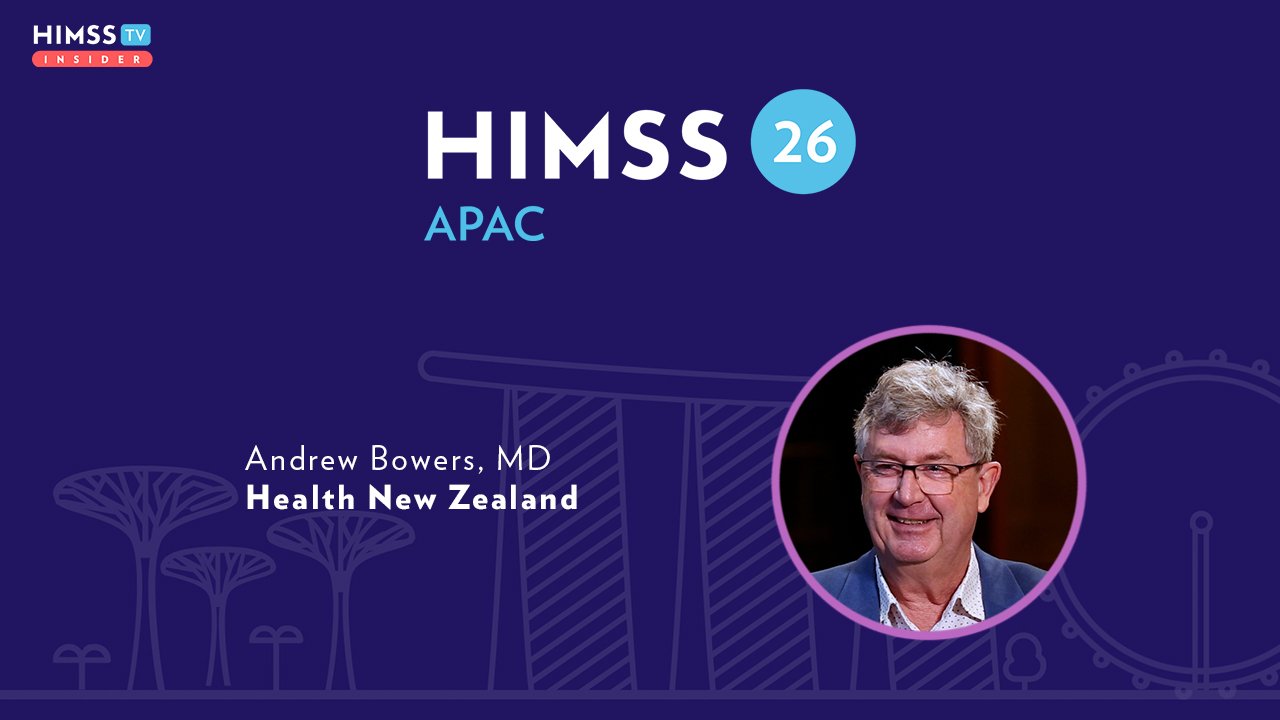
Standalone AI tools add friction unless they are integrated into electronic records and designed around clinical work, says Health New Zealand clinical IT director Dr Andrew Bowers.
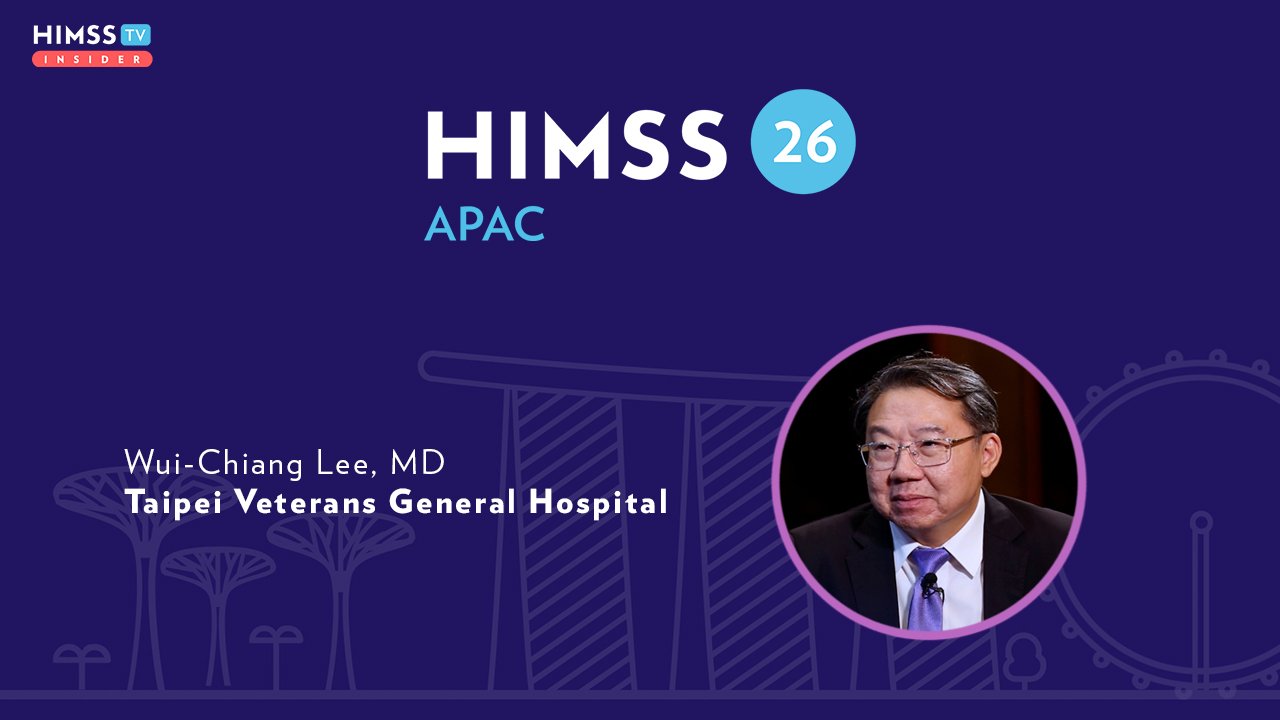
The Taiwanese hospital is developing AI that can coordinate clinical processes and recommend next actions for doctors to approve, shares Deputy Superintendent Dr Wui-Chiang Lee.
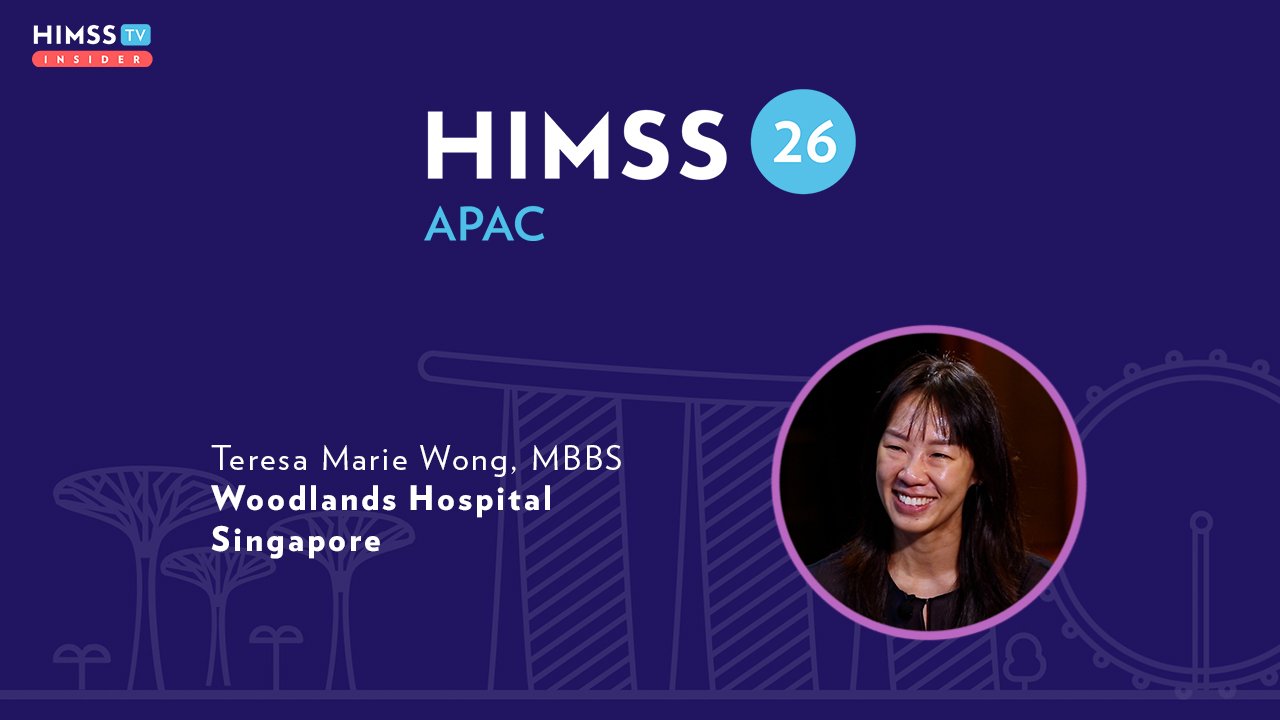
Dr Teresa Wong, deputy CMIO of Woodlands Hospital, explains why AI integration must support existing workflows, keep clinicians in the loop, and embed clear audit and accountability structures.
Randy Maestre, head of Industry Marketing at Zoom, outlines how the company is broadening its focus beyond virtual visits to clinical documentation, patient experience, and healthcare operations.

Hongxia Huang, VP of iMedway, explains how hospitals can eliminate duplicated work and control operational costs by consolidating AI onto a unified platform with task-matched models.
Early clinician involvement and easier workflows are central to building AI tools that providers will actually use, says Oracle Health chief clinical information officer Michael Draheim.
NUHS chief digital officer Peter Forbes says health systems also need clear problem statements, defined roles for AI and sponsors who can push projects into practice.
Wolters Kluwer sees UpToDate Expert AI evolving towards a single interface that draws on more clinical content and, eventually, patient context, says clinical AI head Dr Sheila Bond.
CEO Dr Mohamed Ezani says organisations must first invest in preparing their people for AI, with leadership training critical to successful implementation.
Dr Tim Ferris, VP of Healthcare Practice at InterSystems, emphasises that AI is an enhancement tool rather than a standalone fix, requiring strong data interoperability and stability.
Dr. Chi Kyung Kim, CMIO at Korea University Guro Hospital, explains how real-time patient feedback helps translate strong digital foundations into empowering clinical AI applications.
Keppel Smith, general manager at Heidi, discusses achieving high hospital adoption rates by building intuitive, multilingual AI software that prioritises clinician usability across diverse APAC settings.